

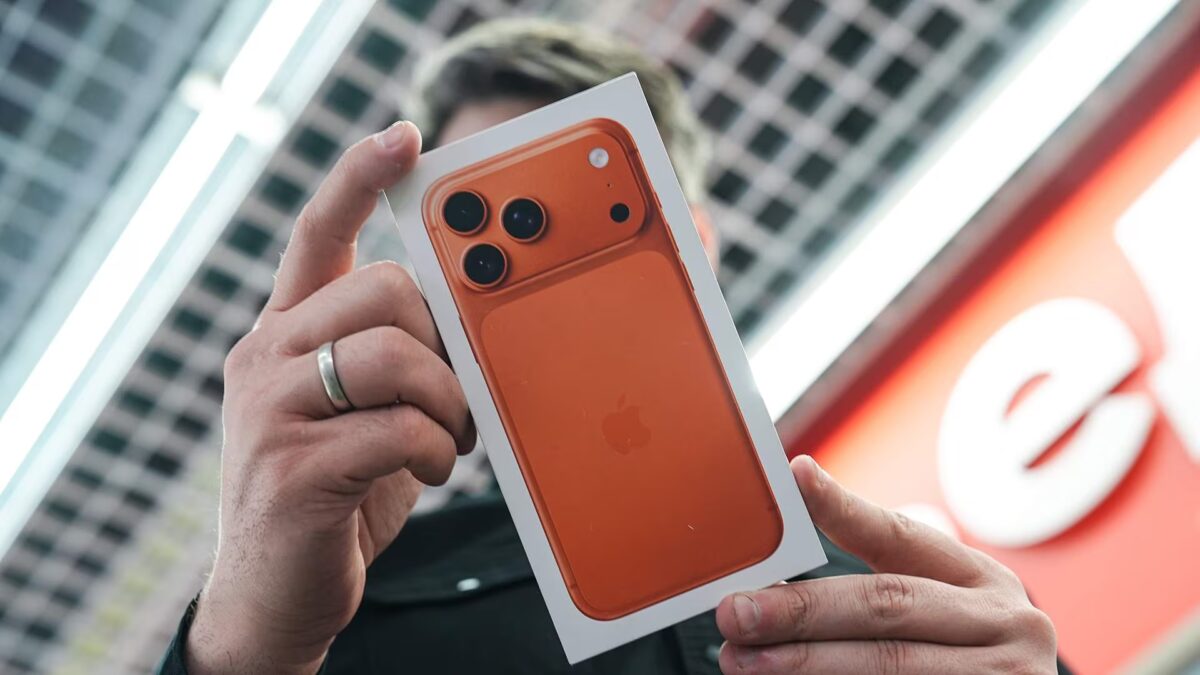
iPhone sales in Russia plunged to their lowest level since 2022 during the first half of 2026, with unit shipments falling between 10% and 30% depending on the source. Despite this sharp decline in volume, Apple continues to dominate the Russian smartphone market by revenue, capturing more than a quarter of total sales value.
Data from Russian carrier MTS shows a 12% drop in iPhone sales for the period, while the retailer Svyaz.ON estimates a 10-15% decrease. Ilya Novikov, head of the smartphone category at research firm RWB, reports an even steeper fall of 15-30%. Though the numbers vary, the consensus is clear: iPhone sales are at their lowest since Apple exited the official Russian market in spring 2022.
The reasons behind the decline are straightforward. Phones are being used longer, recent Apple product cycles haven’t given consumers a strong reason to upgrade, and prices remain high. Novikov points to a global memory chip shortage pushing up costs. Denis Kuskov from TelecomDaily also notes that consumer electronics purchases are being cut back, especially since expensive smartphones like the iPhone are often bought on credit. High interest rates are cooling demand quickly.
But this doesn’t mean Apple is losing its grip entirely. A source from Izvestia reports Apple still holds the top spot in Russian smartphone revenue with a share over 27%. Retailer M.Video confirms steady demand for current iPhone models. In other words, Apple is losing volume but maintaining profits by focusing on high-end devices-a strategy that has kept the company globally at the forefront of smartphone earnings for years due to its high average selling price.
The mid-tier market Apple is vacating is being quickly absorbed by Chinese brands like Redmi, Realme, Honor, and Tecno, alongside Samsung, which remains strong in the mid-price segment. Retail sales data suggest the most active price range is currently 40,000-60,000 rubles (around $550-$820). On Avito, Russia’s largest classifieds platform, new OnePlus phones surged 87% in Q2, while used Vivo devices saw a 72% jump.
Apple has faced this kind of pressure on the Russian market before. Official imports have been halted for four years, with sales relying entirely on parallel imports. This situation means pricing, warranties, and model availability are more sensitive to the ruble’s exchange rate and logistics challenges than before 2022. Should interest rates fall, iPhone sales might rebound somewhat. For now, though, midrange Android smartphones look set to dominate growth in Russia’s smartphone market.