
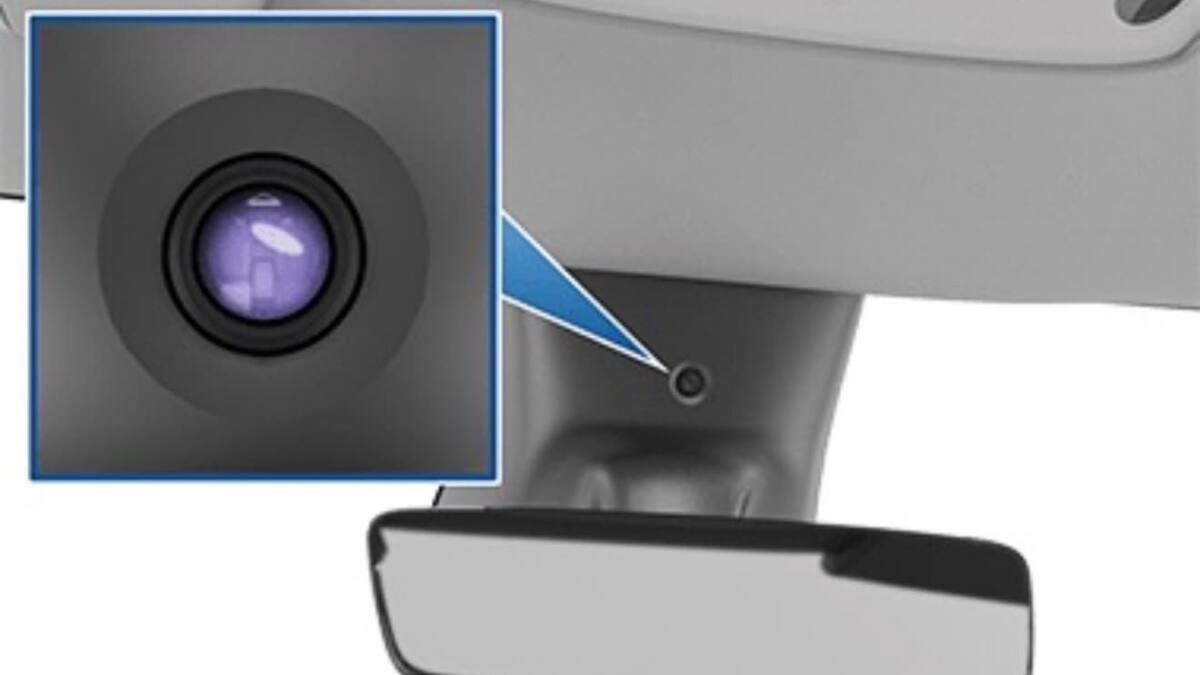
Tesla is preparing a new layer of identity checks for its Full Self-Driving system: before FSD can be activated, the car will use its cabin camera to verify that the driver matches an authorized profile. If it cannot confirm the person at the wheel, FSD may be blocked and the app could show an error message. It is a very Tesla move: automate the car, then make the driver prove they are allowed to use the automation.
The change fits a broader push to tighten access to Tesla’s Full Self-Driving software, which the company has increasingly treated as a recurring-service product rather than a one-time feature. That shift matters because FSD is not the same as hands-off autonomy; it still requires the driver to stay alert and ready to take over, even while the car handles city turns, intersections, traffic lights, and lane markings.
How Tesla’s cabin-camera check will work
The system is simple on paper. The in-car camera checks the driver’s identity before FSD starts, and if the profile does not line up, the software can refuse to engage. Tesla has already built plenty of monitoring into the cabin, so using that hardware as a gatekeeper is an obvious extension rather than a moonshot.
- Verification happens through the cabin camera.
- FSD can be blocked if the driver is not recognized as authorized.
- An error message may appear in the app if the check fails.
What this says about Tesla’s FSD push
There is a practical upside here. A driver-authentication step could make account sharing harder, reduce abuse of paid access, and help Tesla control who gets to use a feature it is leaning on more heavily as subscriptions become central to the business. Competitors are moving in the same direction in different ways: GM, Ford, and others have all leaned on software access controls or subscription layers to protect premium driver-assistance features, even if they package them very differently.
FSD itself remains a supervised system, despite the grand name. Tesla says it can navigate complex urban driving tasks, but the driver still has to pay attention and be ready to intervene at any moment. The new identity check does not make the car smarter; it just makes access to the feature a little less casual. That may frustrate some owners, which is usually a sign Tesla thinks the loophole was worth closing.
The likely next headache for Tesla owners
The obvious question is how smoothly this will work in real life. Cabin-camera verification sounds neat until you imagine borrowed cars, family members, valet situations, or the sort of profile confusion that software companies love to call ”edge cases” right up until customers start complaining. If Tesla rolls this out widely, the company will need to make the check fast, accurate, and easy to explain – otherwise the anti-abuse measure could become just another irritation in a system that already asks drivers to do a lot while promising to do almost everything itself.