

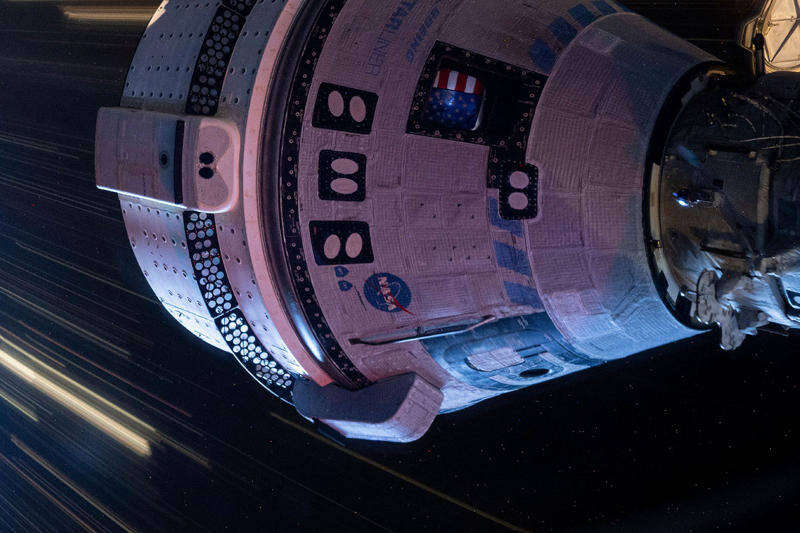
NASA’s own watchdog has put a blunt question on the table: after 11 years of work, is Boeing’s Starliner still worth the trouble? In a report sent to the agency’s human spaceflight leadership, the Office of Inspector General says SpaceX has worked through its technical headaches, while Boeing’s capsule may never finish testing well enough to earn crewed flight approval. With roughly four years left in the ISS program, through 2030, patience is starting to look like a luxury NASA and Boeing no longer have.
That question matters because the answer to whether Boeing Starliner will ever fly crew is still unclear. Starliner has now flown three test missions, including one crewed flight, and each one has surfaced serious issues. That kind of record turns a certification campaign into a permanent repair shop, and repair shops are expensive. Boeing and NASA have both already burned through years of schedule slips and budget overruns, which makes the latest skepticism less like a surprise and more like the bill arriving on the desk.
Starliner’s test flight record
The first test flight in 2019 never reached the ISS because a software timing error led to the wrong engine firing during orbital insertion. A planned launch in 2021 was then pushed back after oxidizer valve problems, and by May 2022 Starliner finally made it to the station – even though the flight still included engine failures and helium leaks. NASA expected to send two astronauts aboard in 2023, but that plan was dropped after more problems surfaced, including a faulty parachute system and fire risks tied to tape used to protect internal wiring.
- 2019: Starliner missed the ISS after a software timing mistake
- 2021: launch delayed by oxidizer valve issues
- May 2022: mission reached the station despite engine failures and helium leaks
- 2023: crewed flight plan scrapped after parachute and fire-risk concerns
What still has to be fixed
The watchdog report says helium leaks and propulsion failures were still unresolved as of March 2026, and that is the kind of problem no certification board likes to see lingering this late in the game. Boeing’s only crewed Starliner mission also ended badly in practical terms: astronauts Butch Wilmore and Suni Williams were stuck on the ISS for months after NASA decided the spacecraft was not safe enough for return.
The criticism is aimed at NASA, too. The inspector general says the agency was too confident in Boeing’s design and too willing to trust outdated supplier systems, which led to unrealistic launch and test schedules. That matters because commercial crew was supposed to be a two-horse race; instead, SpaceX has become the dependable workhorse while Boeing is still trying to prove it belongs in the stable.
The clock is running toward 2030
There is also a budget cloud hanging over the program. With the White House looking to cut spending wherever it can, repeat Starliner launches and even the wisdom of keeping the vehicle in service are now open questions. If NASA cannot show a fast path to a safe crewed mission, Starliner risks becoming a very expensive demonstration of how hard it is to recover from a bad start.