

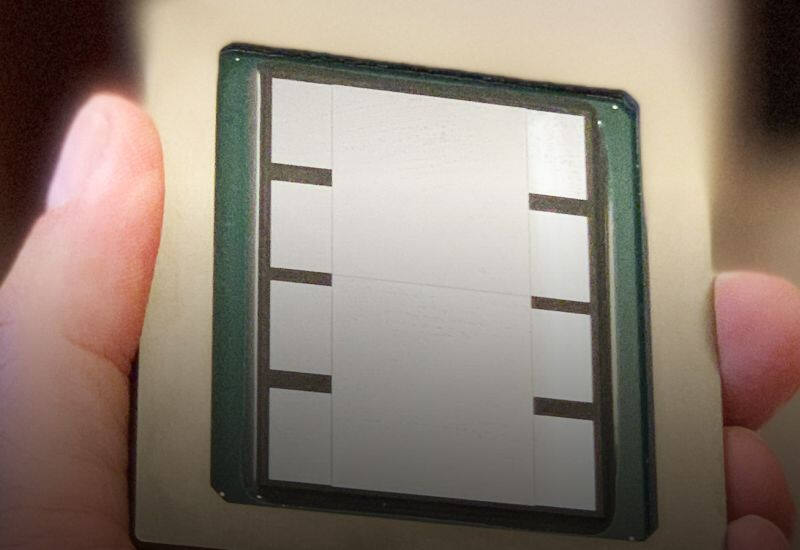
The United States has spent years chasing more chip fabs on home soil, but the next bottleneck may be less glamorous and more dangerous: advanced packaging. That’s the part where multiple chiplets and dies are fused into one working product, and right now American supply chains lean heavily on TSMC for advanced chip packaging.
That dependence is awkward for Washington. The administration under Donald Trump did not fund an Arizona research center that had been planned for advanced packaging work, even though the project had been slated to receive $1.1 billion under Biden. The nonprofit meant to run it fell apart, which is a tidy way of saying the U.S. lost time while trying to catch up with a technology that is becoming more important by the month.
Why advanced chip packaging matters
Subramanyan Iyer, a longtime IBM packaging specialist now teaching at the University of California, says the U.S. is effectively dependent on TSMC in this area. Former Intel chief executive Patrick Gelsinger has made a similar argument, saying packaging ranks just behind chip manufacturing itself in importance. That tracks with where the industry is heading: AI accelerators increasingly rely on combining several different chips on a single substrate, which makes packaging a core performance issue rather than a back-office step.
- TSMC uses CoWoS packaging for advanced Nvidia chips.
- TSMC is not expected to offer those services in the U.S. before 2028 or 2029.
- Until then, chips made in Arizona that need CoWoS still have to go to Taiwan for packaging and testing.
The U.S. is trying to build a domestic base
There is movement, just not enough of it. Nine U.S. packaging projects have already received funding under the CHIPS Act, and the Commerce Department is still reviewing additional research proposals. Intel and Applied Materials are also expanding domestic packaging and equipment capacity on their own, which is sensible corporate hedging in a world where geopolitics can suddenly become a supply-chain problem.
Amkor Technology is preparing to spend at least $7 billion on its first U.S. advanced-packaging factory, with Apple and Nvidia showing interest in working with it. Amkor will also provide packaging services to TSMC for 10 years, which is a neat illustration of the catch-up problem: even the companies trying to build an American alternative still end up orbiting the Taiwanese giant.
Cost, capacity and the CoWoS bottleneck
The market for advanced packaging is still small by U.S. standards, with the country taking less than 3% of the global share. That helps explain why capacity is so tight. Some estimates put demand for TSMC’s CoWoS packaging at 30% above supply, and the service is expensive enough to shape design decisions: the most complex chips can cost as much as $500 to package, while simpler ones may run about $40.
That price tag is one reason some chip designers try to avoid CoWoS altogether. Startups are working on cheaper alternatives, and industry players are forming consortia to develop new methods. The real question is whether the U.S. treats packaging as strategic infrastructure now or waits until the next AI boom makes the shortage impossible to ignore.