

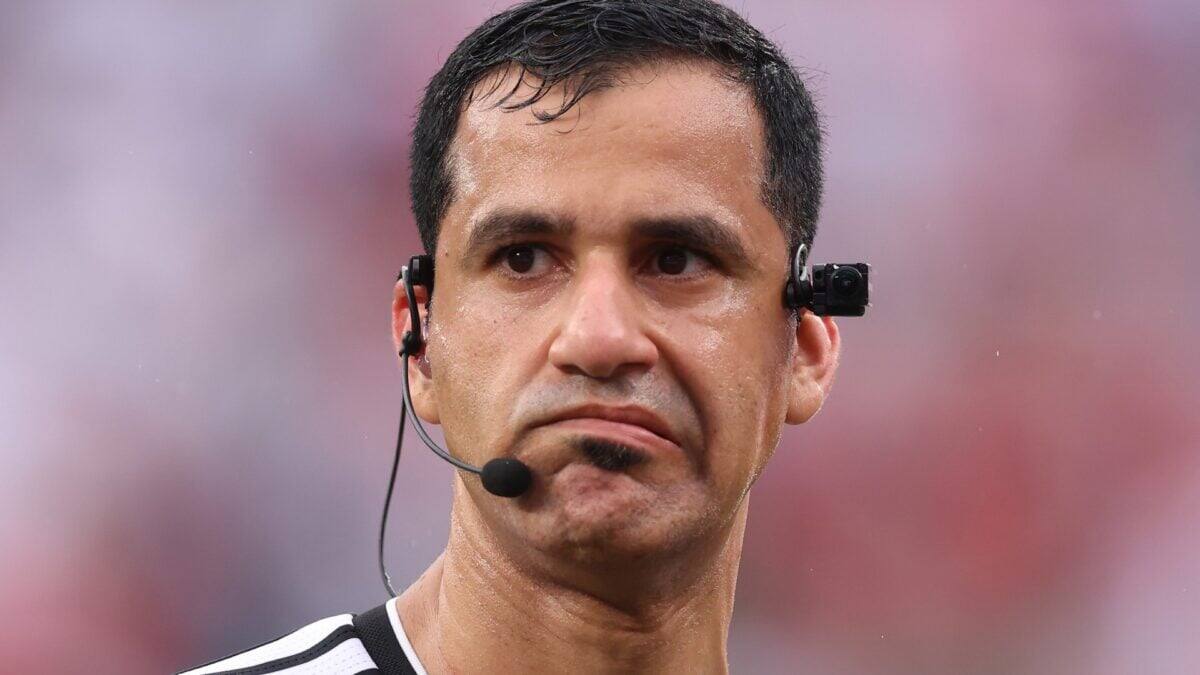
The World Cup has quietly turned into a persuasive demo for smart glasses in sports. Referee-mounted cameras are giving fans a fast, first-person view of live play, and the obvious next step is a lighter, better-looking pair of smart glasses that could do the same job for broadcasts and officiating without making refs look like they borrowed gear from a call center.
That matters because sports already run on tiny margins. In leagues where bodies pile up in scrums and a few inches can decide a call, a head-worn camera that is easy to wear, easy to stabilize, and quick to review is more than a novelty. It is a new angle, a new record, and potentially a new piece of evidence.
How the World Cup ref cam works
The current setup is simple: a camera is attached to the referee’s headset, producing a first-person view of the action. The broadcast turnaround is fast enough that the footage can jump from live play to replay almost immediately, which is why it feels less like a gimmick and more like a real production tool.
FIFA is not using the feed for officiating decisions, but it has still found value in the image quality. FIFA’s work with Lenovo on real-time stabilization is said to have reduced blur and shakiness by up to 50% through software, which is a decent reminder that the best camera hardware is often only half the story.
Why smart glasses are the obvious upgrade
Smart glasses would keep the same point of view while trimming down the bulk. That is not a small thing in sports, where comfort, balance, and a less ridiculous silhouette can decide whether people actually wear the gear or leave it in a locker to gather dust.
- Meta’s Ray-Ban smart glasses can record up to 3K video.
- Stabilization is good enough for action-heavy use cases like snowboarding.
- Oakley Meta AI glasses are described as comfortable and secure enough for movement.
That combination is exactly why the form factor is so intriguing for officials. A cleaner camera package could offer a usable broadcast angle and, at the same time, create footage that helps with post-game review. Some leagues are already experimenting with that debrief workflow, which is a cautious way of saying the industry is inching toward the obvious without fully committing to it.
The bigger obstacle is trust, not hardware
The technology is there, but sports are conservative for a reason: every new camera invites arguments about privacy, competitive fairness, and whether the people wearing it will look like they are working a side gig in wireless customer support. India’s major cricket league has already shown how awkward that can get.
Still, the World Cup is making a strong case that face-worn cameras are at their best when they are attached to a clear purpose. If smart glasses can be made discreet, durable, and sharp enough for live and post-match use, the next official to benefit might not be a broadcaster at all. It might be the referee who has to explain a call with half the stadium yelling about it.