

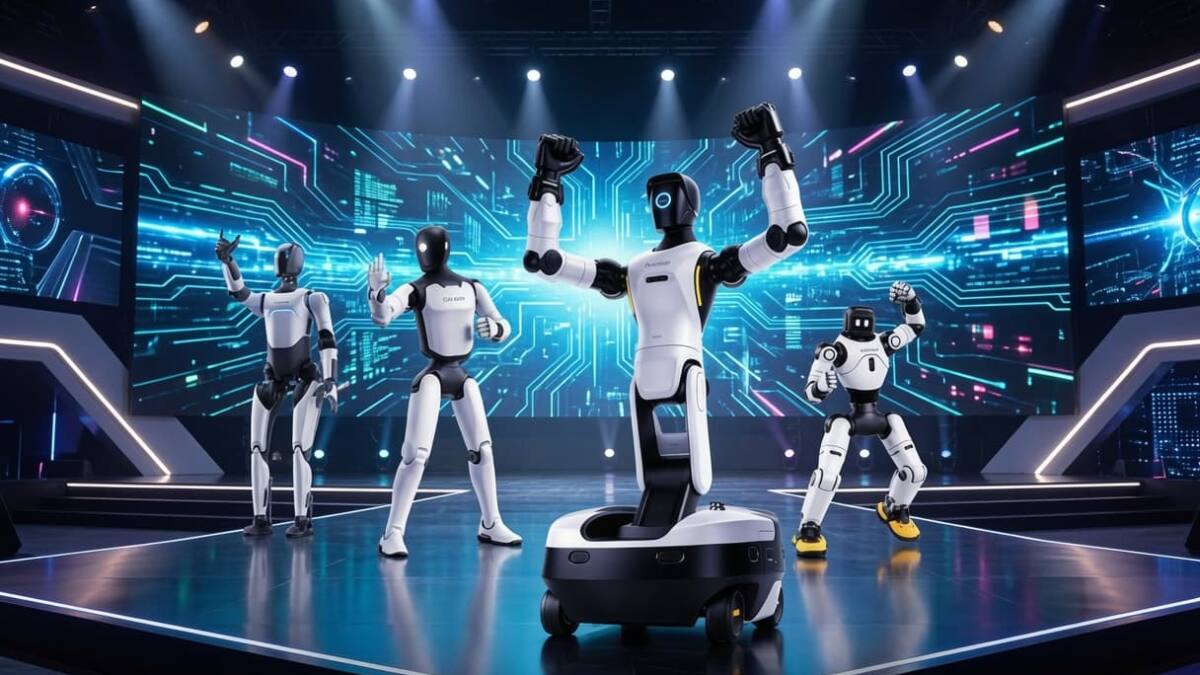
Agibot says it has now shipped its 15,000th robot, marking a shift from prototypes to real-world deployment of embodied AI. The pace of that ramp-up has accelerated sharply, and that is usually the part that matters more than the headline number.
The company’s own figures show how fast things changed. It took about two years to reach 1,000 units, a further year to get to 5,000, then just three months to double to 10,000. Another three months brought it to 15,000, a tempo that suggests the bottleneck is shifting away from engineering proof of concept and toward manufacturing scale.
Agibot production ramp-up reaches 15,000 robots
That kind of acceleration is exactly what robot makers have been chasing for years. Plenty can demo a humanoid or mobile robot on a stage; far fewer can sustain production runs that hint at commercial deployment, supply-chain maturity, and customers willing to take real units, not just slick videos.
Agibot’s milestone also fits a broader pattern in robotics, where the story is increasingly less about whether machines can walk, grasp, or navigate, and more about whether they can be produced in enough quantity to matter. A company moving from 1,000 to 15,000 units in such a short span is signaling confidence that demand is starting to look less experimental and more industrial.
Agibot shipment milestones so far
- About two years to reach 1,000 robots
- One year to reach 5,000 robots
- Three months to reach 10,000 robots
- Three more months to reach 15,000 robots
The obvious question now is whether Agibot can keep that curve going. Production wins are nice; durable demand is better, and the robotics sector has a habit of confusing the two until the numbers get expensive.