

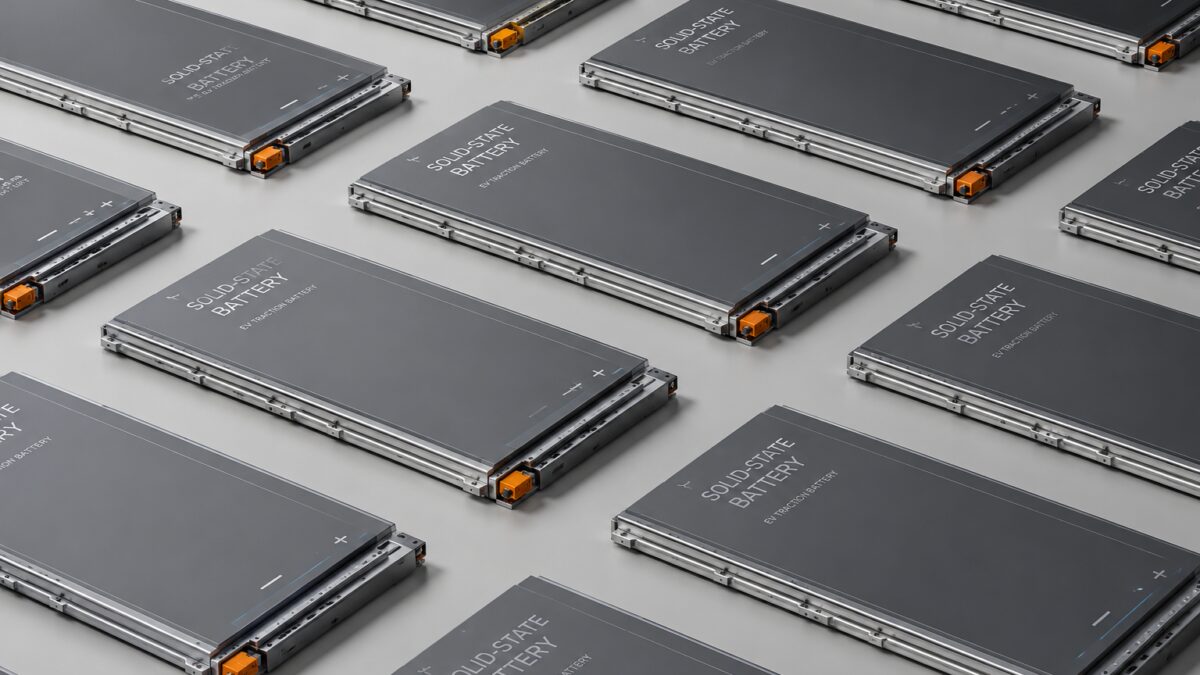
Researchers at Tsinghua University say they have built a miniature ceramic solid-state battery with a ceramic electrolyte that can keep working at temperatures up to 150 C and survive a brief blast of 300 C for 20 seconds without falling apart. The pitch is simple: ditch the liquid electrolyte, remove the fire risk, and make batteries that can handle abuse ordinary lithium-ion cells would never forgive.
That makes the Tsinghua battery especially interesting for aviation, spacecraft, military electronics, and industrial gear, where overheating is not a minor inconvenience but a failure mode. It also lands in a field that has been crowded with big promises for years: solid-state batteries are widely seen as the safer next step, but brittleness and manufacturing complexity keep slowing the march from lab sample to real product.
A ceramic stack that stays intact
The weak point in many ceramic solid-state batteries has been the thin layers themselves. The Tsinghua team says it solved that by using a multilayer structure in which a thin chemical interlayer forms on its own during fabrication, binding the layers together while still letting lithium ions move through the battery.
That is the clever part. A rigid battery usually sounds like a good idea until it starts cracking like cheap tile. If this structure can be scaled, it could help move solid-state cells beyond the ”impressive slide deck” phase that has haunted the category for years.
Performance after 100 cycles
At room temperature, the battery retains more than 76% of its original capacity after 100 charge and discharge cycles. That is not headline-grabbing endurance by mainstream consumer standards, but it is a useful proof point for a device designed first around heat tolerance and safety rather than raw runtime.
- Operating range: 0 to 150 C
- Short-term heat resistance: 300 C for 20 seconds
- Capacity retention: more than 76% after 100 cycles at room temperature
- Manufacturing: no expensive vacuum chambers required
Why the manufacturing detail matters
One of the more practical claims here is not about chemistry at all: the process does not require costly vacuum chambers. That matters because battery research often dies in the gap between a promising lab result and something factories can actually build without turning every cell into a luxury item.
The likely near-term market is not smartphones. It is wearables, miniature sensors, aerospace hardware, and military equipment, where small size and heat tolerance can matter more than maximizing energy density. If the materials hold up outside the lab, this is the kind of engineering that quietly reshapes a category before consumers ever hear the pitch.
The bigger question is scale: can a ceramic design that laughs at 300 C be made cheaply and consistently enough for broader use, or will it stay in the specialist drawer where so many promising battery ideas end up?