

Electric cars outsold petrol models in Europe for the first time on a monthly basis in May, across the EU, the UK, and EFTA countries. That does not mean the internal-combustion era is dead yet – hybrids still lead the year-to-date chart – but it does show how quickly the electric cars in Europe market is moving once incentives, regulation, and product choice line up.
According to the latest registration data, battery electric vehicles reached 23.3% of the market in May 2026, while petrol cars slipped to 21.7%. Around 1.15 million new cars were registered across Europe in the month, up 3.6% from a year earlier. The broader picture is less dramatic but more telling: consumers are not all rushing to pure EVs, but the old petrol-first order is clearly eroding.
Electric cars in Europe still trail hybrids for the year
For January to May 2026, hybrids remained the biggest slice of the market at 37.8%. Petrol cars accounted for 22.4% of sales, while EVs reached 20% in the EU alone, or 21.4% when the UK and EFTA countries are included. Plug-in hybrids sat at 9.7%, which helps explain why many drivers are still choosing a halfway house rather than going fully electric.
- BEV share in May: 23.3%
- Petrol share in May: 21.7%
- Total European registrations in May: about 1.15 million
- January-May hybrid share: 37.8%
Tesla is still pulling weight
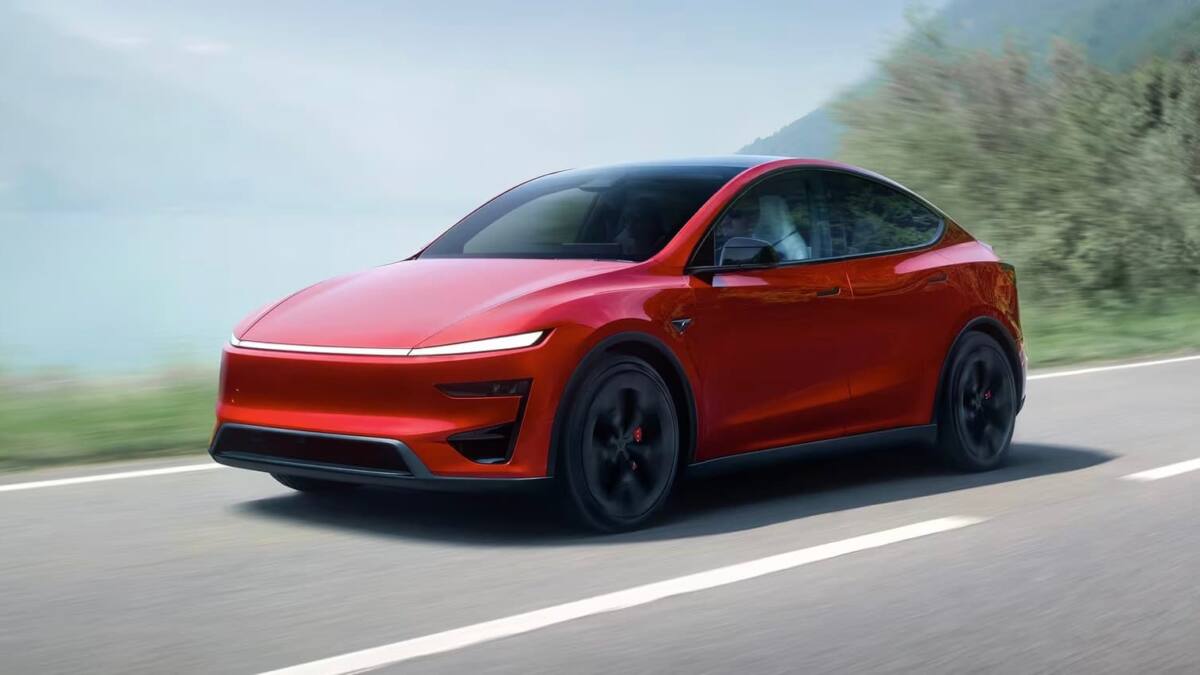
Tesla remains a major force behind the EV surge. Model Y was Europe’s best-selling electric car in May, rising 68% to 17,183 sales, while Model 3 nearly tripled to 9,566. That kind of dominance is useful for Tesla, but it also highlights how concentrated the EV market still is: one or two breakout models can move the numbers fast.
The company is not alone in benefiting from the shift. Chinese brands sold 121,030 cars in Europe in May, almost twice as many as a year earlier, lifting their market share to 10.7% for the first time. That growth matters because it is happening while established European and Japanese brands are still trying to rework their lineups for a market that is clearly moving away from pure combustion.
China’s brands are taking space fast
BYD has emerged as the standout winner among Chinese carmakers. Sales since the start of the year climbed 145.2% to 135,307 vehicles, and in May it overtook SAIC’s MG to become the biggest Chinese auto brand in Europe. Other fast growers include Chery, Jaecoo, Omoda and Jetour, whose combined sales jumped 316% to 122,843 vehicles.
Leapmotor posted even more eye-catching growth, up 552.9% to 43,037 cars, while Xpeng’s May sales rose 138%. For legacy brands, the awkward part is not just that EVs are taking share from petrol; it is that a chunk of that electric demand is being captured by rivals from China, not just by Europe’s own manufacturers.
Petrol and diesel keep slipping
The decline in combustion engines is broad-based. In the EU, petrol-car sales fell 18.2% in January-May, while diesel dropped 16.6%. That kind of contraction is hard to dress up as a temporary wobble. The more telling question now is whether Europe’s major automakers can keep margins intact while EV share rises and Chinese competition gets louder.
My bet: the next fight is not about whether EVs can beat petrol for a single month. It is about whether that lead becomes normal – and whether the brands that built the old market can still make money in the one replacing it.