

The project is being developed with Engine No. 1, which could take a 50% stake and share the capital costs. Chevron is targeting returns in the mid-teens, which is a neat reminder that this is not a climate pilot or a public utility experiment. It is an infrastructure bet with Wall Street math attached.
AI power beats clean-energy branding
Microsoft has spent years talking up renewables and nuclear power, but gas offers something cleaner branding cannot: predictable baseload electricity at scale. That trade-off is now showing up across the sector, where hyperscalers need megawatts fast and are willing to live with the emissions debate later.
That debate is already baked in here. A 20-year gas commitment for a flagship AI site strengthens the industry’s dependence on fossil fuels, even as the same companies keep promising lower-carbon futures. The uncomfortable part is that the promise of AI expansion is now colliding with the physical reality of how power gets built, and the grid does not care about press releases.
More deals like this are probably coming
This looks less like an isolated Microsoft decision than a template for the next wave of data center builds: private generation, long-duration contracts, and a heavy dose of whatever can be delivered first. If AI demand keeps rising at the pace cloud vendors expect, expect more companies to choose reliability over clean-image purity, especially in energy-rich regions like Texas.
- Peak output: up to 2.67 GW
- Location: near Pecos, Texas
- First phase: 2028
- Estimated build cost: about $7 billion
The project is being developed with Engine No. 1, which could take a 50% stake and share the capital costs. Chevron is targeting returns in the mid-teens, which is a neat reminder that this is not a climate pilot or a public utility experiment. It is an infrastructure bet with Wall Street math attached.
AI power beats clean-energy branding
Microsoft has spent years talking up renewables and nuclear power, but gas offers something cleaner branding cannot: predictable baseload electricity at scale. That trade-off is now showing up across the sector, where hyperscalers need megawatts fast and are willing to live with the emissions debate later.
That debate is already baked in here. A 20-year gas commitment for a flagship AI site strengthens the industry’s dependence on fossil fuels, even as the same companies keep promising lower-carbon futures. The uncomfortable part is that the promise of AI expansion is now colliding with the physical reality of how power gets built, and the grid does not care about press releases.
More deals like this are probably coming
This looks less like an isolated Microsoft decision than a template for the next wave of data center builds: private generation, long-duration contracts, and a heavy dose of whatever can be delivered first. If AI demand keeps rising at the pace cloud vendors expect, expect more companies to choose reliability over clean-image purity, especially in energy-rich regions like Texas.
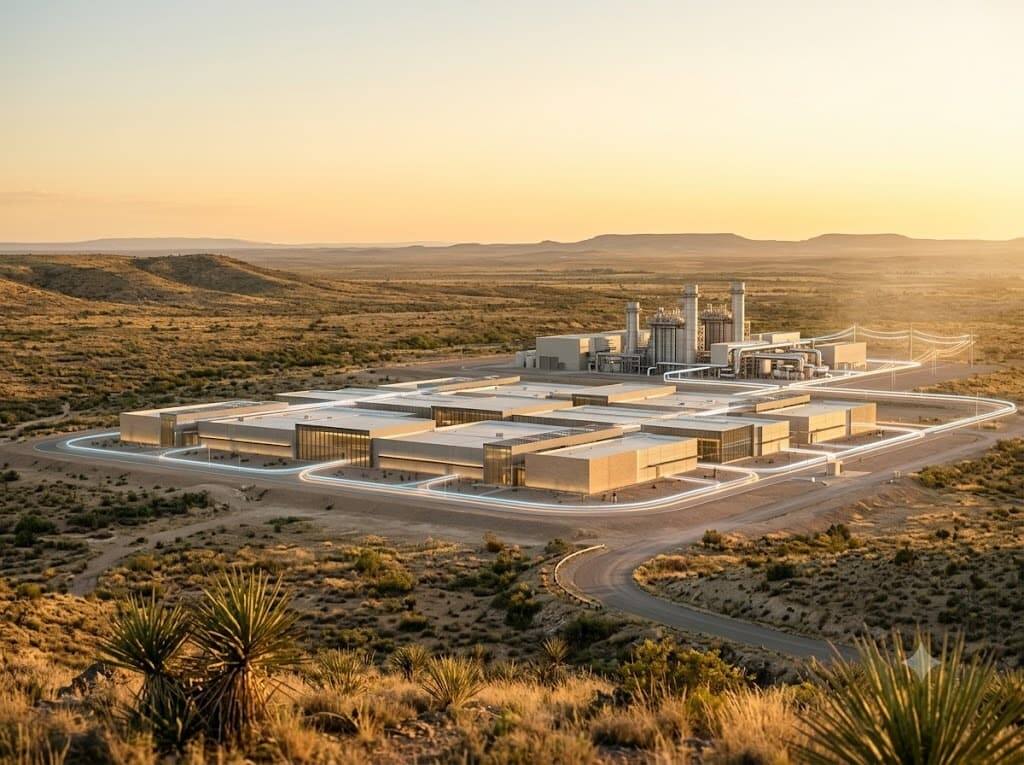
Microsoft has signed a 20-year deal with Chevron to secure electricity for one of the biggest data center builds in the United States, and the power will come from natural gas. The Project Kilby site in West Texas is designed to produce as much as 2.67 GW, enough to serve roughly 2 million homes, but in this case the goal is far less poetic: keep AI infrastructure fed with reliable power.
The first phase is scheduled to come online in 2028. That timing tells you plenty about the bottleneck in AI infrastructure: the chips get the headlines, but power, turbines, and interconnects are the slow, expensive part.
Project Kilby will run off-grid
What makes the project unusual is that it will not plug into Texas’s main grid. Instead, the gas plant will generate electricity locally for the data center campus, easing pressure on regional networks while also sidestepping some of the messiest grid-planning questions.
Chevron says it chose the Permian Basin because the region has plenty of associated gas, a byproduct that is often flared. Turning that gas into electricity is an obvious business move, even if the climate optics are awkward. It is also a reminder that the AI boom is increasingly leaning on the oldest energy source in the book when speed and scale matter more than marketing slogans.
Turbines, capital, and a very long lead time
The plant will use gas turbines from GE Vernova and equipment from Solar Turbines, a Caterpillar unit. Chevron says it has ordered seven large turbines, and those deliveries usually take years, which is another way of saying the hardware shortage is real even before construction begins.
- Peak output: up to 2.67 GW
- Location: near Pecos, Texas
- First phase: 2028
- Estimated build cost: about $7 billion
The project is being developed with Engine No. 1, which could take a 50% stake and share the capital costs. Chevron is targeting returns in the mid-teens, which is a neat reminder that this is not a climate pilot or a public utility experiment. It is an infrastructure bet with Wall Street math attached.
AI power beats clean-energy branding
Microsoft has spent years talking up renewables and nuclear power, but gas offers something cleaner branding cannot: predictable baseload electricity at scale. That trade-off is now showing up across the sector, where hyperscalers need megawatts fast and are willing to live with the emissions debate later.
That debate is already baked in here. A 20-year gas commitment for a flagship AI site strengthens the industry’s dependence on fossil fuels, even as the same companies keep promising lower-carbon futures. The uncomfortable part is that the promise of AI expansion is now colliding with the physical reality of how power gets built, and the grid does not care about press releases.
More deals like this are probably coming
This looks less like an isolated Microsoft decision than a template for the next wave of data center builds: private generation, long-duration contracts, and a heavy dose of whatever can be delivered first. If AI demand keeps rising at the pace cloud vendors expect, expect more companies to choose reliability over clean-image purity, especially in energy-rich regions like Texas.