

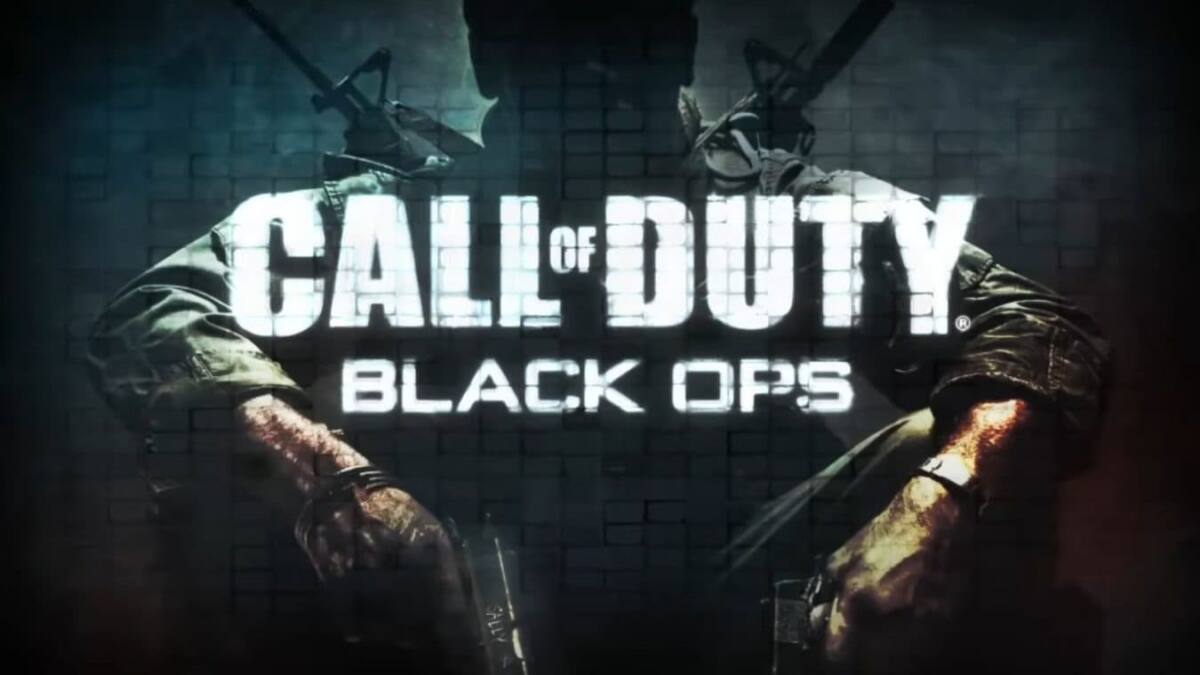
Call of Duty: Black Ops and Black Ops 2 are reportedly heading to modern PlayStation consoles in July, and the headline is not nostalgia. It is the Black Ops pricing. If the latest store updates and leaks are accurate, Activision could be asking players to pay around $40 for each game, then layer on DLC packs, Season Passes, and a total bill that can creep toward $160 for the full set.
That makes these releases look less like polished remasters and more like straight ports with a premium tag. For a pair of PS3-era shooters that helped define Call of Duty’s peak years, the business model feels oddly old-fashioned: same games, modern pricing, and none of the visual overhaul players usually expect when a publisher goes hunting for wallet nostalgia.
Black Ops pricing adds up fast
The reported structure is simple, and pretty unforgiving:
- Base game: about $40 each
- DLC packs: about $10 each
- Season Pass: about $30
- Four major DLC expansions per game
- Total for both games with all add-ons: close to $160
That is a bold ask for games originally tied to the PlayStation 3 and Xbox 360 era. It also explains the backlash: players are not being offered a remake, a remaster, or even the kind of technical cleanup that usually softens the blow of rereleases.
A port, not a proper revival
According to the information circulating, Activision is treating the pair as direct ports rather than full refreshes. That means no major graphics overhaul and no obvious mechanical rethink, just older games moved onto current PlayStation hardware. In a market where publishers routinely sell ”definitive editions” with a shiny coat of paint, this approach feels especially naked.
The comparison game writes itself. Other franchises have used re-releases to revive interest, but they usually add something: upgraded visuals, bundled extras, or at least a cleaner value proposition. Here, the pitch seems to be raw access to two beloved shooters, sold piecemeal in a way that makes the Steam summer sale look generous.
Why Activision may still try it
That does not mean the strategy is irrational. Classic Call of Duty games still have a loyal audience, and Black Ops in particular carries serious brand weight. For Activision, these releases are a low-risk way to test how much appetite remains for older entries when they are packaged for modern consoles but not meaningfully rebuilt.
The real question is whether players see this as preservation or monetization with better marketing. If the ports sell well, expect more publishers to dust off legacy hits and price them like premium new releases. If they stumble, the message will be even clearer: nostalgia has value, but not unlimited value.