

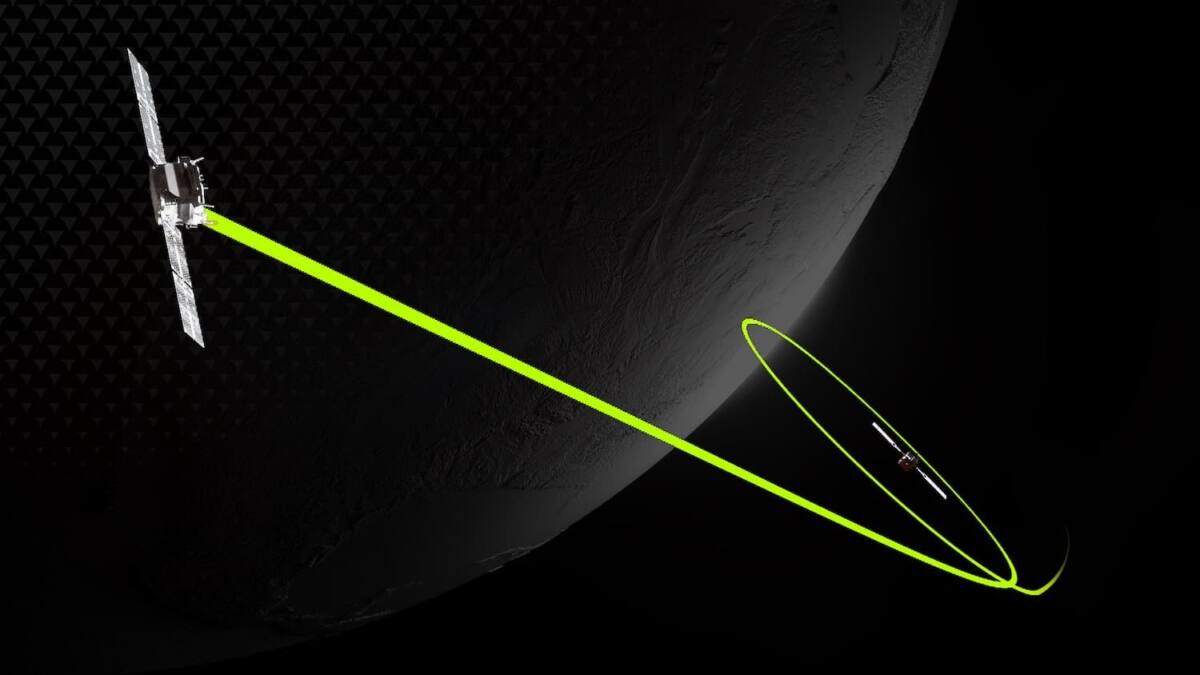
Rocket Lab has quietly run a fast-response satellite mission for the U.S. Space Force, sending the Puma spacecraft into orbit from New Zealand and closing to within about 100 km of another satellite just eight hours later. The Victus Haze mission was designed to show that space hardware can be launched, moved, and put to work on very short notice, which is exactly the kind of rapid-response satellite test militaries now want to buy before anyone else does.
The mission was barely advertised. There was no launch webcast, only routine aviation and maritime warnings before the liftoff became visible in official tracking data. That low-profile approach fits the test: if a system is meant to respond quickly in a real-world scenario, it should not need a six-week marketing campaign first.
How Victus Haze was set up
Victus Haze was announced in 2024 and built around a two-part exercise. True Anomaly had already placed its Jackal spacecraft in orbit, and Rocket Lab was then supposed to launch a second spacecraft on command, maneuver it toward Jackal, and inspect or interact with it. According to open-source tracking from astrophysicist Jonathan McDowell, the Puma satellite reached that roughly 100 km separation after the eight-hour sprint from launch.
The structure matters because it tests more than one company’s rocket. It checks whether different spacecraft, launch systems, and ground teams can be coordinated quickly enough to matter in a crisis, a lesson the U.S. has been pushing since earlier responsive-space demos showed that speed is possible, but not yet routine.
What Jackal and Puma are designed to do
True Anomaly said its spacecraft had already completed checks of guidance, cameras, and algorithms for tracking other objects in space. In plain terms, Jackal is built to find, follow, and characterize maneuvering targets without the kind of human babysitting that slows down older systems. That makes it useful for inspection missions – and, less politely, for missions that look a lot like counter-space practice.
- Puma reached roughly 100 km from Jackal about eight hours after launch.
- Jackal-0004 had already launched on 3 May aboard a SpaceX Falcon 9.
- The total project cost was about $92 million.
Why the U.S. keeps funding rapid-response space tests
Victus Haze follows Victus Nox, the 2023 program that got a satellite into orbit just 27 hours after a command was issued. That earlier test showed the concept; this one is more complicated, because it uses multiple spacecraft, different rockets, and different launch sites. The broader trend is clear: the Pentagon is trying to move space operations away from bespoke, slow procurement and toward something closer to an on-demand service model.
That is where the real win sits. Commercial launch companies get a chance to prove they can respond like a utility, while the military gets a playbook for replacing, inspecting, or augmenting orbital assets faster than an adversary can count on delay. The unanswered question is whether this can stay a demo forever – or whether rapid orbital logistics becomes a standard line item, with all the industrial pressure that would bring.