

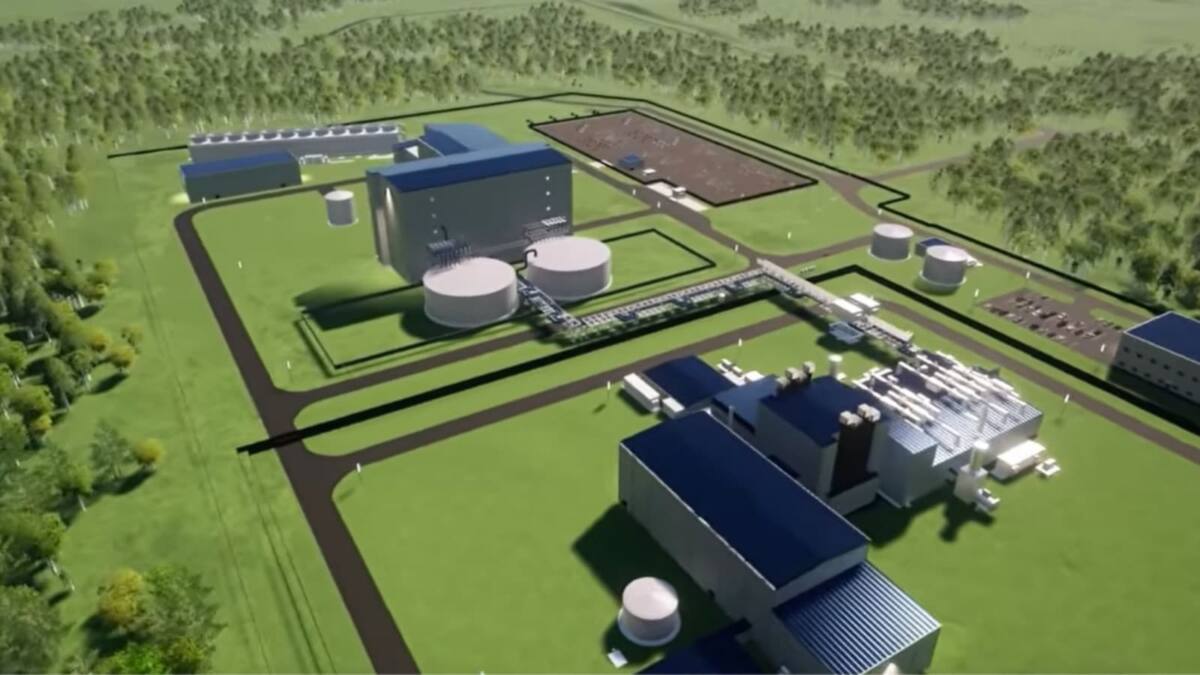
TerraPower has kicked off the official UK certification process for its Natrium reactor, a design that tries to do two things at once: provide steady nuclear output and ramp up fast when demand spikes. The company has also set up TerraPower UK Ltd, turning a one-off regulatory filing into a serious bid for a place in the UK’s next wave of nuclear projects.
The move puts the Washington state company into the Generic Design Assessment process, the UK’s gatekeeper for new reactor designs. That matters because the GDA can shape everything from safety tweaks to deployment timelines before a shovel hits the ground, which is far cleaner than discovering problems after the marketing brochures are printed.
How Natrium is built
Natrium is not a conventional reactor dressed up with better branding. TerraPower describes it as a fast reactor with sodium cooling that produces about 345 MW, paired with molten-salt energy storage that can briefly lift output to 500 MW. That hybrid setup is the pitch: base-load nuclear generation with a built-in buffer for peak electricity demand.
That approach sets it apart from most small and medium modular reactor concepts, which usually promise flexibility on paper but do not combine a reactor and storage in the same way. In a grid increasingly shaped by variable renewables, that extra burst of power is the selling point, not a side feature.
Why the UK is interested
British officials are clearly happy to have TerraPower at the table. Lord Vallance, the minister for science, innovation, and nuclear energy, called the company’s involvement a vote of confidence in the UK as a home for advanced atomic power. The Office for Nuclear Regulation said it already knew the project from earlier talks, and the GDA should help fold safety requirements into the design rather than bolt them on later.
The timing also fits a broader transatlantic push on advanced nuclear technology. The US and UK have been tightening cooperation around next-generation reactors, and a successful British certification would give TerraPower another reference point as it tries to move from promising concept to repeatable product.
What TerraPower is doing in the US
- TerraPower has already received permission to build its first station in the US.
- Work on that site is already under way.
- The UK review is meant to support wider deployment, not replace the domestic program.
That dual-track strategy is smart. A reactor company that wants to be taken seriously abroad usually needs a live project at home, and TerraPower can point to that as it asks Britain to spend time and regulatory effort on Natrium.
The Natrium challenge in the UK
The real question is whether the UK review proves Natrium is exportable, not just imaginative. Plenty of advanced reactor designs sound elegant until they meet licensing rules, supply-chain limits, and the awkward fact that electricity systems need reliability more than slogans. If TerraPower gets through the British process, it will have something rare in nuclear power: a design that has been examined seriously on both sides of the Atlantic.