

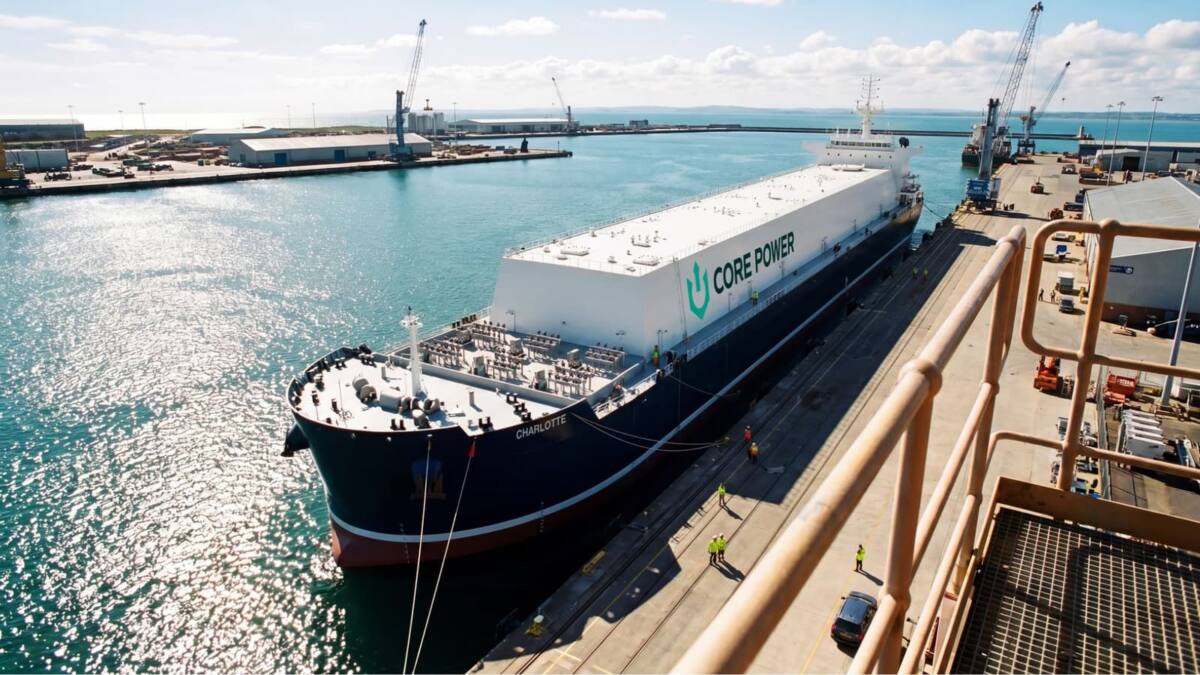
Core Power has started a study that could turn a ship into a floating nuclear power station, using the mPower small modular reactor from BWX Technologies as the core of the concept. If the numbers work, the company is betting that a ship-based nuclear reactor could dodge some of the delays that bog down land-based plants and reach coastal cities, industrial sites, and remote regions faster.
The pitch is simple enough to understand and complicated enough to keep regulators awake at night: build the reactor module on a vessel, tow it to where power is needed, and plug it into existing infrastructure. That could appeal in places where electricity demand is rising faster than new generation can be approved, a problem that has pushed many utilities toward gas, batteries, and smaller nuclear designs that can be deployed in pieces instead of megaprojects.
What Core Power is studying
This is still a preliminary assessment, not a finished product. Core Power is looking at whether a small modular reactor can safely operate on a marine platform, how regulators would treat the idea, and whether the economics beat the more familiar options on shore.
The company is also checking the obvious question: how much power does a floating reactor actually deliver? In this case, the answer is 195 MW of electricity from one module, along with up to 575 MW of thermal energy. That heat is not just a bonus for winter bills; it could also support desalination and heavy industrial processes, which gives the concept a wider job description than ”just” feeding the grid.
Why a floating nuclear reactor has appeal
The advantage Core Power is chasing is speed. Traditional nuclear projects often get stuck in permitting, environmental review, and site preparation before a single watt is produced. A ship-based system could, in theory, shift more of the work into controlled shipbuilding environments and standardize the delivery process.
That does not mean the hard parts disappear. Nuclear safety, maritime rules, insurance, and long-term maintenance still have to be solved, and those are not the kind of problems that yield to a glossy rendering. But the idea does fit a broader industry trend: smaller reactors, modular construction, and more flexible deployment models that try to make nuclear look less like a national monument and more like infrastructure.
Who is doing what
Core Power is funding the research itself and handling the marine side of the project, including how the reactor would be integrated into a ship. BWX Technologies is responsible for the reactor system and the nuclear technology. If the study clears the technical and economic hurdles, the next steps would be a fuller design, the required approvals, and eventually the question everyone likes to ask too early: can this be built at scale?
- Reactor type: mPower, generation III+
- Electric output: up to 195 MW per module
- Thermal output: up to 575 MW
- Use cases: city power, industrial supply, heating, desalination
The real test is whether floating nuclear power ends up as a serious new category or just a clever answer in search of a customer. If Core Power can make the economics work, coastal grids and energy-hungry industries may get a new option; if not, the project will join a long list of ideas that looked more efficient on paper than in port.