

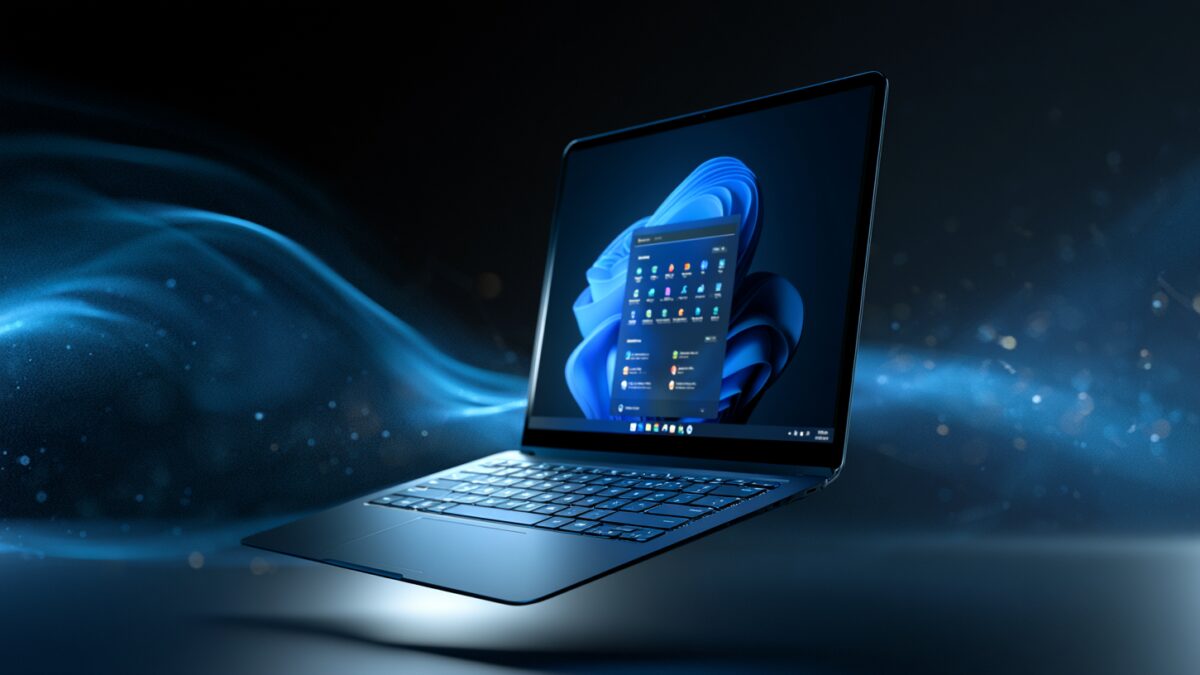
Windows 11 26H1 for new chips
Microsoft is also pointing to a separate 26H1 update for newer chips, including Nvidia N1 and Snapdragon X2, though it will not unlock exclusive features. That is a familiar Microsoft move: give the silicon vendors a clean branding moment, then keep the actual software experience broadly shared.
The more interesting question is whether this monthly-update model will age better than the old annual blockbuster cycle. It should make Windows feel less chaotic, but it also means the company has to deliver a steadier stream of meaningful fixes and features without the safety net of a once-a-year splash.
Windows 11 26H1 for new chips
Microsoft is also pointing to a separate 26H1 update for newer chips, including Nvidia N1 and Snapdragon X2, though it will not unlock exclusive features. That is a familiar Microsoft move: give the silicon vendors a clean branding moment, then keep the actual software experience broadly shared.
The more interesting question is whether this monthly-update model will age better than the old annual blockbuster cycle. It should make Windows feel less chaotic, but it also means the company has to deliver a steadier stream of meaningful fixes and features without the safety net of a once-a-year splash.
- 4 GB RAM
- 64 GB storage
- 64-bit processor at 1 GHz or faster
Windows 11 26H1 for new chips
Microsoft is also pointing to a separate 26H1 update for newer chips, including Nvidia N1 and Snapdragon X2, though it will not unlock exclusive features. That is a familiar Microsoft move: give the silicon vendors a clean branding moment, then keep the actual software experience broadly shared.
The more interesting question is whether this monthly-update model will age better than the old annual blockbuster cycle. It should make Windows feel less chaotic, but it also means the company has to deliver a steadier stream of meaningful fixes and features without the safety net of a once-a-year splash.
Microsoft has confirmed that Windows 11 26H2 will land in the fall of 2026, but if you were hoping for a flashy new version packed with headline features, this is not that. The Windows 11 26H2 update is shaping up to be a small activation package of about 200 KB that mainly flips the version and build number, while Microsoft keeps pushing new features through monthly cumulative updates instead of one giant annual reset.
That shift is the real story. Windows has spent years trying to balance stability with the pressure to ship visible changes, and Microsoft now seems happy to trade the drama of big releases for a calmer, more predictable cadence. Users get fewer surprise overhauls; Microsoft gets fewer support headaches. Everyone gets a little less theatre.
What Windows 11 26H2 changes
The 26H2 package is designed to be quick: install time is expected to take only a few minutes and one restart. According to Microsoft’s plan, it does not bring visible, user-facing changes on its own, which is exactly what makes it different from the old-style annual Windows launches.
Support timing is straightforward. Home and Pro editions will get 24 months of support, while Enterprise and Education will get 36 months. That means support should run out in October 2028 for consumer editions and October 2029 for enterprise-focused ones.
Which PCs can install Windows 11 26H2
No new hardware is required for Windows 11 26H2. Microsoft says the requirements stay the same as before: 4 GB of RAM, 64 GB of storage, and a 64-bit processor running at 1 GHz or faster. In other words, if your PC already clears the Windows 11 bar, 26H2 should not suddenly turn into a compatibility scavenger hunt.
- 4 GB RAM
- 64 GB storage
- 64-bit processor at 1 GHz or faster
Windows 11 26H1 for new chips
Microsoft is also pointing to a separate 26H1 update for newer chips, including Nvidia N1 and Snapdragon X2, though it will not unlock exclusive features. That is a familiar Microsoft move: give the silicon vendors a clean branding moment, then keep the actual software experience broadly shared.
The more interesting question is whether this monthly-update model will age better than the old annual blockbuster cycle. It should make Windows feel less chaotic, but it also means the company has to deliver a steadier stream of meaningful fixes and features without the safety net of a once-a-year splash.