

Why plateau wind projects are getting more attention
China has been pushing renewable generation into more difficult places as easy grid-adjacent sites fill up. That is familiar territory for the industry: the best wind resources are rarely in convenient places, and the next wave of projects increasingly depends on custom hardware, longer transmission links, and a willingness to spend more upfront to get steadier long-term output.
For Datang Julongliang, the payoff is straightforward. If the project performs as promised, it will show that high-altitude wind farms are not just possible, but commercially useful at scale. The open question is how quickly similar builds can be replicated in other mountainous regions without the same engineering headache.
Why plateau wind projects are getting more attention
China has been pushing renewable generation into more difficult places as easy grid-adjacent sites fill up. That is familiar territory for the industry: the best wind resources are rarely in convenient places, and the next wave of projects increasingly depends on custom hardware, longer transmission links, and a willingness to spend more upfront to get steadier long-term output.
For Datang Julongliang, the payoff is straightforward. If the project performs as promised, it will show that high-altitude wind farms are not just possible, but commercially useful at scale. The open question is how quickly similar builds can be replicated in other mountainous regions without the same engineering headache.
Why plateau wind projects are getting more attention
China has been pushing renewable generation into more difficult places as easy grid-adjacent sites fill up. That is familiar territory for the industry: the best wind resources are rarely in convenient places, and the next wave of projects increasingly depends on custom hardware, longer transmission links, and a willingness to spend more upfront to get steadier long-term output.
For Datang Julongliang, the payoff is straightforward. If the project performs as promised, it will show that high-altitude wind farms are not just possible, but commercially useful at scale. The open question is how quickly similar builds can be replicated in other mountainous regions without the same engineering headache.
Why plateau wind projects are getting more attention
China has been pushing renewable generation into more difficult places as easy grid-adjacent sites fill up. That is familiar territory for the industry: the best wind resources are rarely in convenient places, and the next wave of projects increasingly depends on custom hardware, longer transmission links, and a willingness to spend more upfront to get steadier long-term output.
For Datang Julongliang, the payoff is straightforward. If the project performs as promised, it will show that high-altitude wind farms are not just possible, but commercially useful at scale. The open question is how quickly similar builds can be replicated in other mountainous regions without the same engineering headache.
Why plateau wind projects are getting more attention
China has been pushing renewable generation into more difficult places as easy grid-adjacent sites fill up. That is familiar territory for the industry: the best wind resources are rarely in convenient places, and the next wave of projects increasingly depends on custom hardware, longer transmission links, and a willingness to spend more upfront to get steadier long-term output.
For Datang Julongliang, the payoff is straightforward. If the project performs as promised, it will show that high-altitude wind farms are not just possible, but commercially useful at scale. The open question is how quickly similar builds can be replicated in other mountainous regions without the same engineering headache.
- Installed capacity: 158.22 MW
- Annual output: 476 million kilowatt-hours
- Full-load operation: 3,007 hours a year
- Households powered: almost 200,000
Why plateau wind projects are getting more attention
China has been pushing renewable generation into more difficult places as easy grid-adjacent sites fill up. That is familiar territory for the industry: the best wind resources are rarely in convenient places, and the next wave of projects increasingly depends on custom hardware, longer transmission links, and a willingness to spend more upfront to get steadier long-term output.
For Datang Julongliang, the payoff is straightforward. If the project performs as promised, it will show that high-altitude wind farms are not just possible, but commercially useful at scale. The open question is how quickly similar builds can be replicated in other mountainous regions without the same engineering headache.
- Installed capacity: 158.22 MW
- Annual output: 476 million kilowatt-hours
- Full-load operation: 3,007 hours a year
- Households powered: almost 200,000
Why plateau wind projects are getting more attention
China has been pushing renewable generation into more difficult places as easy grid-adjacent sites fill up. That is familiar territory for the industry: the best wind resources are rarely in convenient places, and the next wave of projects increasingly depends on custom hardware, longer transmission links, and a willingness to spend more upfront to get steadier long-term output.
For Datang Julongliang, the payoff is straightforward. If the project performs as promised, it will show that high-altitude wind farms are not just possible, but commercially useful at scale. The open question is how quickly similar builds can be replicated in other mountainous regions without the same engineering headache.
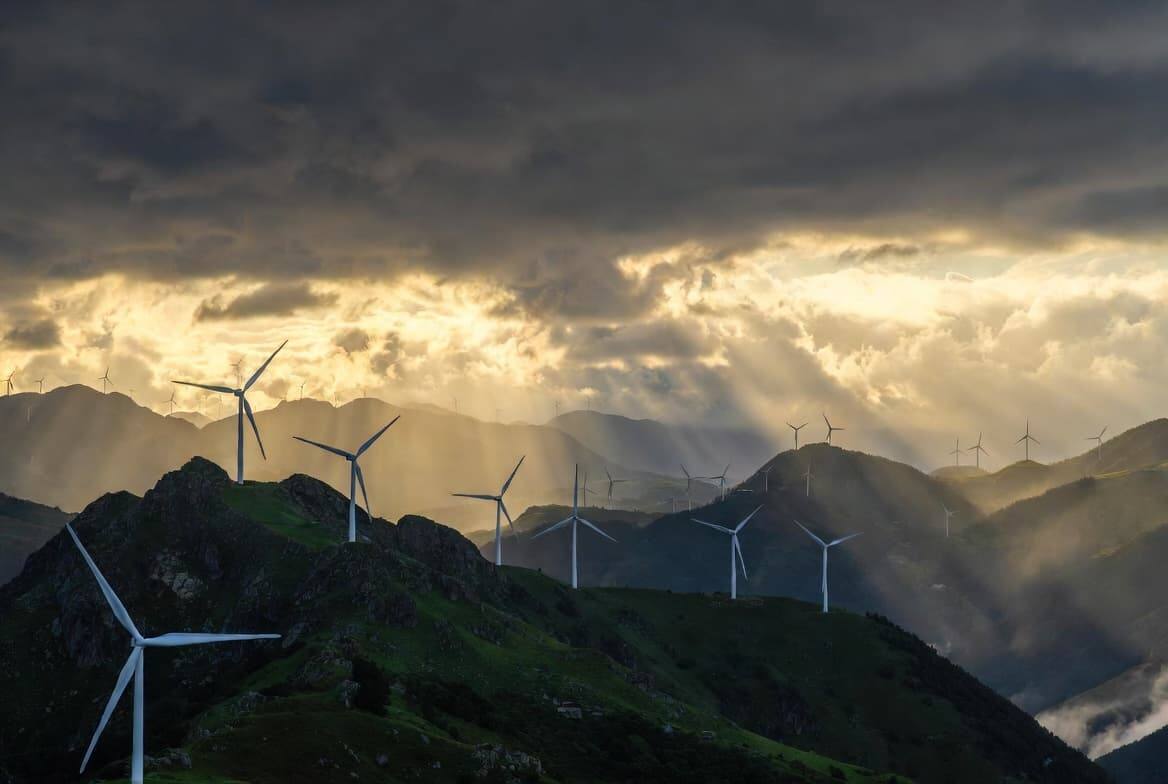
China has switched on a new kind of wind project: a high-altitude wind farm in Yunnan built for thin air, steep terrain, and temperature swings that would make a normal turbine miserable. The first batch of turbines at the Datang Julongliang expansion project has now been connected to the grid, and the site is being billed as the country’s largest wind power project on a highland plateau.
The 158.22 MW high-altitude wind project is designed to generate 476 million kilowatt-hours of clean power a year, enough to supply almost 200,000 households annually, while cutting the need for tens of thousands of tons of standard coal. The bigger story is less the headline capacity and more the engineering: as wind farms move into harsher terrain, the winning projects are the ones built around local conditions rather than forcing one standard design everywhere.
How Datang Julongliang was built for altitude
The project sits in the mountainous area of Jinyuan township in Xundian county, at an average elevation of more than 3,200 meters above sea level. That altitude brings thinner air and wider day-night temperature gaps, both of which can punish conventional equipment and make output less predictable. So the new 11.1 MW turbine was developed specifically for highland conditions, with a larger rotor sweep and better wind capture than earlier models.
The rotor area is said to be equivalent to five and a half standard football fields. That is a nice way of saying the blades are doing a lot of heavy lifting.
158.22 MW project size and power output
The expansion includes 12 units rated at 11.1 MW and three more rated at 8.34 MW, for a total installed capacity of 158.22 MW. More than 40 kilometers of transmission lines were also built to keep the electricity moving reliably off the plateau and into the grid.
- Installed capacity: 158.22 MW
- Annual output: 476 million kilowatt-hours
- Full-load operation: 3,007 hours a year
- Households powered: almost 200,000
Why plateau wind projects are getting more attention
China has been pushing renewable generation into more difficult places as easy grid-adjacent sites fill up. That is familiar territory for the industry: the best wind resources are rarely in convenient places, and the next wave of projects increasingly depends on custom hardware, longer transmission links, and a willingness to spend more upfront to get steadier long-term output.
For Datang Julongliang, the payoff is straightforward. If the project performs as promised, it will show that high-altitude wind farms are not just possible, but commercially useful at scale. The open question is how quickly similar builds can be replicated in other mountainous regions without the same engineering headache.