

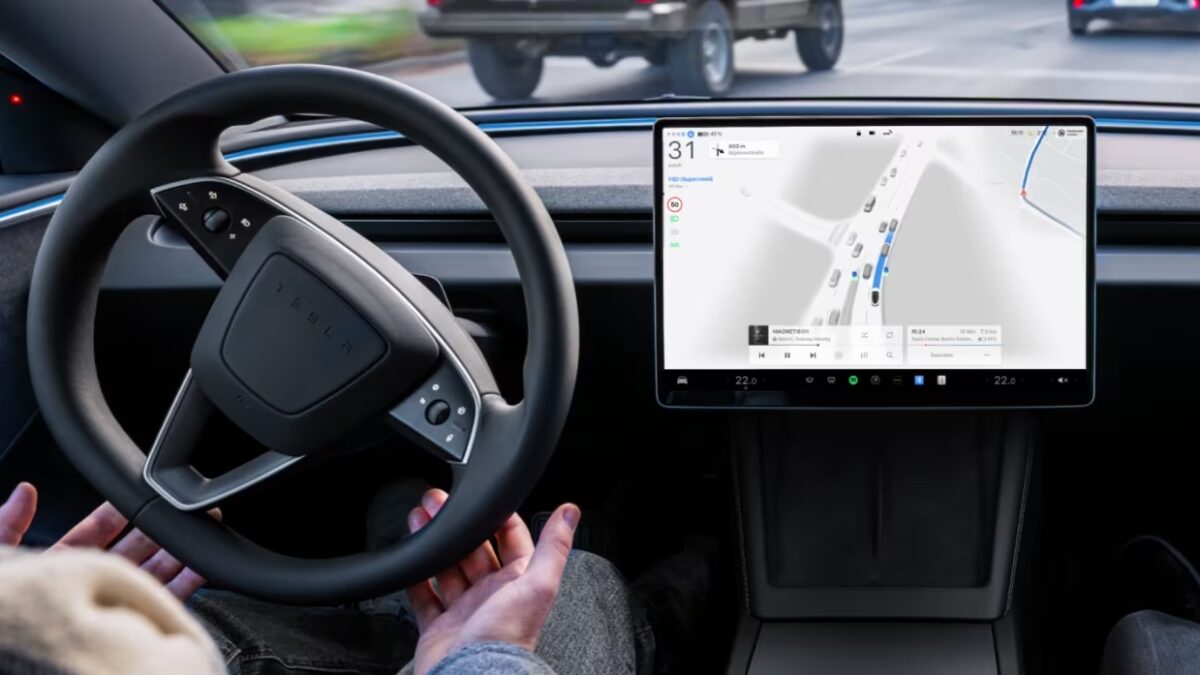
Sweden’s transport authority is urging the European Union to reject Tesla’s Full Self-Driving package, arguing that the system should not be approved while it can systematically exceed posted speed limits. The move adds a fresh regulatory headache for Tesla just as the company has been collecting approvals across Europe, and it highlights a familiar fault line in autonomous driving: software may be able to steer, but traffic law still expects someone to stay in charge.
The Swedish Transport Administration, known as TRV, has sent a letter to the EU’s Technical Committee on Motor Vehicles ahead of a meeting scheduled for 30 June. TRV says FSD should not get the green light until Tesla fixes speed-control behavior in the system. Tesla has not commented publicly on the Swedish objection.
Why Sweden is objecting to Tesla FSD
TRV’s argument is blunt: letting an automated system regularly break the speed limit could weaken the legal basis for approval and undercut the safety claims that are supposed to justify automation in the first place. That is a tougher standard than the one Tesla is used to in the United States, where speed-limit creep is common on public roads and enforcement is often uneven. In parts of Europe, though, regulators tend to treat that behavior less like a driving habit and more like a compliance failure.
Tesla vehicles using FSD can exceed the limit depending on the selected speed profile, and the company says drivers can switch the system off at any moment. Tesla also stresses that responsibility stays with the person supervising the car. That disclaimer may calm lawyers, but it does not solve the regulator’s basic problem: if the software is designed to break the rules, who exactly is the system for?
Tesla FSD approval in Europe faces a tougher test
The Swedish pushback comes after Tesla received several European approvals in the last two months, and after Elon Musk said FSD Supervised had launched in Lithuania. A report said Lithuania became the second European country where the supervised autonomous-driving mode has been officially approved and rolled out. That makes Sweden less of an outlier than a warning sign: Europe is opening the door to driver-assistance systems, but not to ones that look comfortable bending basic traffic rules.
- TRV wants the EU to vote against FSD approval.
- The issue is speed control, not the ability to steer or lane-hold.
- The key meeting is set for 30 June.
What the EU could do next
If the committee sides with Sweden, Tesla will have to revisit how FSD handles posted limits before the system can expand further in Europe. If regulators wave it through anyway, expect more national authorities to ask the same awkward question Sweden just asked out loud: is this autonomous driving, or just speeding with better branding?