

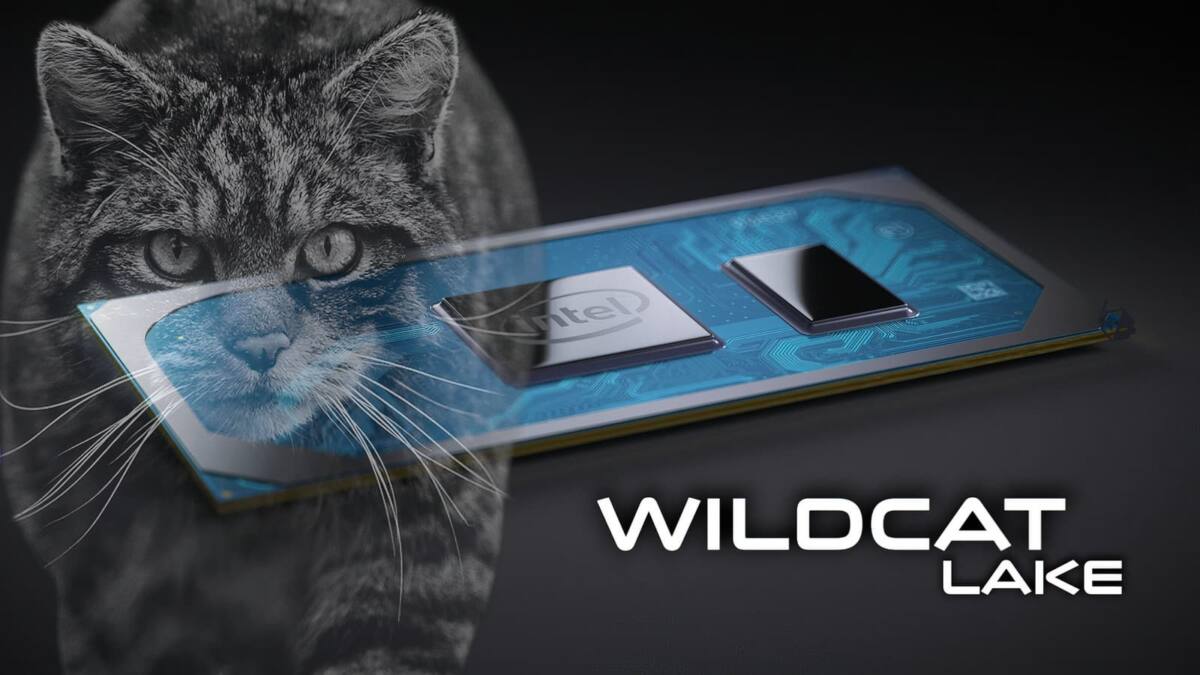
Intel’s cheapest new laptop chip is turning out to be less of a punchline than expected. Early PassMark results put the 5-core Intel Core 3 304 from the Wildcat Lake family very close to Apple’s A18 Pro, a comparison that looks odd on paper and even odder once you remember the Intel part is aimed at low-cost, battery-friendly notebooks.
The numbers are close enough to raise eyebrows. In PassMark, Core 3 304 scored 3676 in single-threaded tests and about 11,543 in multi-threaded runs, while Apple’s A18 Pro averaged 3982 and about 11,804 respectively. That is not a clean win for Intel, but for a modest chip with one performance core and four efficiency cores, it is a much stronger showing than many would have guessed.
Intel Core 3 304 is built for cheap laptops
Intel is pitching Wildcat Lake as a platform for affordable, energy-efficient laptops, and that framing matters. The architecture mixes Cougar Cove performance cores with Darkmont efficiency cores, both inherited from the higher-tier Panther Lake family, which helps explain why a budget part is showing more ambition than its positioning suggests.
This is also a useful reminder that synthetic benchmarks can flatter a chip’s strengths and hide the ugly bits. Apple still holds an edge in single-threaded performance, and the A18 Pro does it with a 6-core CPU, but Intel narrowing the gap in this class gives PC makers something to brag about on spec sheets without spending flagship money.
What the first PassMark benchmarks say
- Intel Core 3 304: 3676 single-threaded, about 11,543 multi-threaded
- Apple A18 Pro: 3982 single-threaded, about 11,804 multi-threaded
- Core 3 304 configuration: 5 cores total, with 1 performance core and 4 efficiency cores
- Wildcat Lake systems are already appearing around the $600 mark
That last point may be the most interesting one for buyers. Cheap Windows laptops rarely get a clean narrative of ”good performance, low power, reasonable price,” so if Intel can keep these early results from collapsing under real-world use, it could pressure entry-level chips from AMD and Qualcomm as well. The trick, as always, is whether OEMs pair the silicon with decent memory, storage, and cooling instead of the usual bargain-bin compromise.
The real test will be in retail machines
Benchmarks are a nice preview, not a verdict. If Wildcat Lake laptops ship at roughly $600 with better memory than some MacBook Neo configurations, Intel could have a surprisingly sharp answer to the idea that low-end PCs must feel slow. The next question is whether those numbers survive the messier reality of thin chassis, noisy fans, and aggressive power limits.