

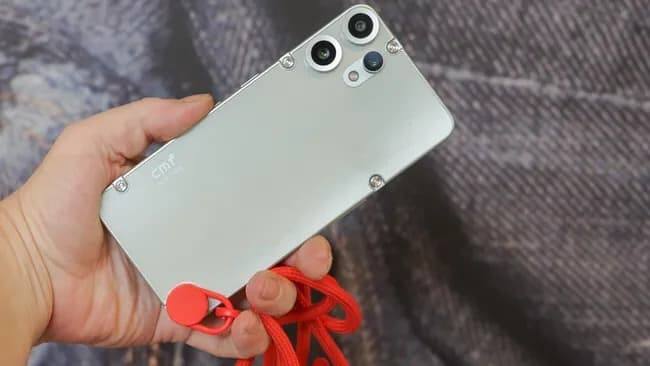
Nothing has shelved its next CMF smartphone for now, and the reason is brutally simple: memory has gotten too expensive. The company says it cannot launch a new CMF phone in the usual budget sweet spot because rising DRAM and NAND prices, driven by demand from AI data centers, have wrecked the cost math that made CMF Phone 2 Pro appealing in the first place.
That leaves the expected CMF Phone 3 Pro out of Nothing’s 2026 lineup. It also says a lot about where the pressure is coming from: not from another smartphone rival, but from the server racks training and running AI systems. Phones may be the visible casualty, but the real fight is happening in memory fabs and supply chains.
Why CMF Phone 3 Pro was put on hold
In a post on X, Nothing co-founder Akis Evangelidis said the company had been working on a successor to CMF Phone 2 Pro, but the current market no longer supports ”a meaningful step forward” at an affordable price. That is corporate-speak for a nasty trade-off: either keep the phone cheap and make it too weak, or improve it and push it out of the budget bracket.
CMF Phone 2 Pro had already earned a solid reputation as a low-cost model, including recognition from specialist reviewers. So this is not a case of a failed product line; it is a case of a successful one becoming harder to repeat when component costs are running away from manufacturers.
- CMF Phone 3 Pro will not launch in 2026.
- The blocker is higher memory pricing.
- Nothing says the CMF brand will continue in other product categories.
AI demand is squeezing phone makers
The uncomfortable twist here is that smartphones are being squeezed by the AI boom from below and above. Data centers and AI systems consume huge amounts of DRAM and NAND, and that demand is pushing up prices across the electronics chain. Memory makers love the margins; budget phone brands do not.
This is exactly the kind of market shift analysts have been warning about for a while: entry-level phones are easier to delay, reprice, or quietly drop than premium flagships. If memory stays expensive, the first victims will probably be the devices that depend on razor-thin margins and aggressive specs.
What Nothing will still sell
Nothing is not walking away from phones altogether. The company says it will continue shipping devices under the main Nothing brand, which likely means products aimed higher up the price ladder, where there is more room to absorb component inflation without wrecking the business model.
CMF itself is also not disappearing; it is being pushed into new product categories beyond smartphones. That sounds like a sensible hedge. If the low-end phone market is becoming a memory-price hostage situation, diversification is the least boring escape route.
The budget phone squeeze is just starting
The bigger question is whether this becomes a temporary pause or the start of a broader retreat from ultra-affordable phones. If memory prices keep climbing, brands may decide that the cheapest models are not worth the trouble, and consumers will pay the price first.
For now, Nothing has made its choice: protect margins, skip the impossible launch, and wait for component costs to cool. Whether the market ever makes room for another CMF bargain is a different question entirely.