

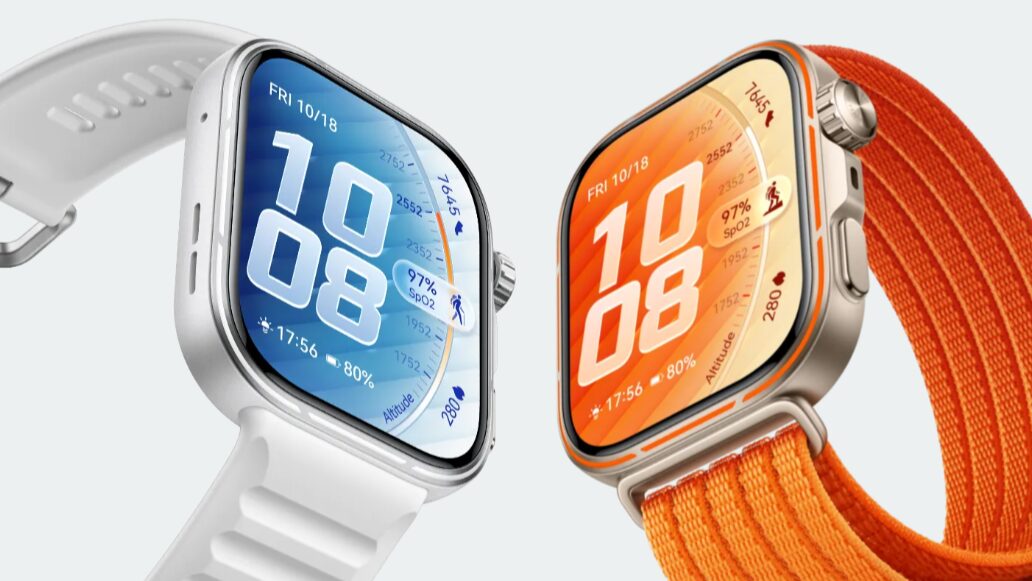
Huawei has turned China into its strongest smartwatch stronghold, and the numbers are hard to ignore: roughly 40% of the smartwatch market in China in the first quarter of 2026. That surge helped the company reach 17% globally, while Apple stayed ahead worldwide with 23% and posted the fastest growth among the top brands.
Counterpoint Research says global smartwatch shipments rose 4% year-on-year in the first quarter of 2026, while the average selling price climbed 6%. That is a tidy sign that buyers are moving up the price ladder for better health tracking, AI features, 5G RedCap, and satellite connectivity rather than just buying another screen for the wrist.
Apple’s cheap(er) Watch is doing the heavy lifting
Apple’s growth story this quarter was not about the flashiest model in the lineup. Counterpoint analyst Anshika Jain said the Apple Watch SE 3 has been a major draw, mainly because it pairs a lower entry price with upgraded health features such as better sleep tracking, mood monitoring, and arrhythmia detection. That is classic Apple: use the affordable model to widen the funnel, then keep users inside the ecosystem.
Huawei is playing a similar game, just with a different operating system and a much tighter grip on its home market. It sells across several price bands, leans on HarmonyOS integration, and pushes health features hard enough that the watches start to look less like accessories and more like medical-adjacent gadgets with better manners.
China smartwatch shipments keep Huawei in front
China’s smartwatch shipments grew 15% year-on-year, making it one of the clearest growth engines in the category. Huawei leads there, followed by Imoo and Xiaomi, and government subsidies on electronics have helped nudge more buyers toward upgrades. The result is a market where premium features matter, but so does price discipline.
- Global smartwatch shipments: up 4% year-on-year
- Average selling price: up 6%
- Apple global share: 23%
- Huawei global share: 17%
- Huawei China share: roughly 40%
Health features are becoming the default, not the bonus
The bigger shift is that health tracking is no longer a differentiator by itself. Sleep tracking, emotional wellbeing tools, mood monitoring, and arrhythmia detection are now part of the basic sales pitch, alongside the usual claims about smarter sensors and better connectivity. That helps explain why average prices are rising even as shipment growth stays modest: buyers are being trained to expect more from every generation.
The next fight is likely to be less about who can add another sensor and more about who can make these watches feel indispensable without pricing people out. If supply stays messy and competition keeps tightening, the winners will be the brands that can sell health, convenience, and ecosystem lock-in in one small rectangle of glass.