

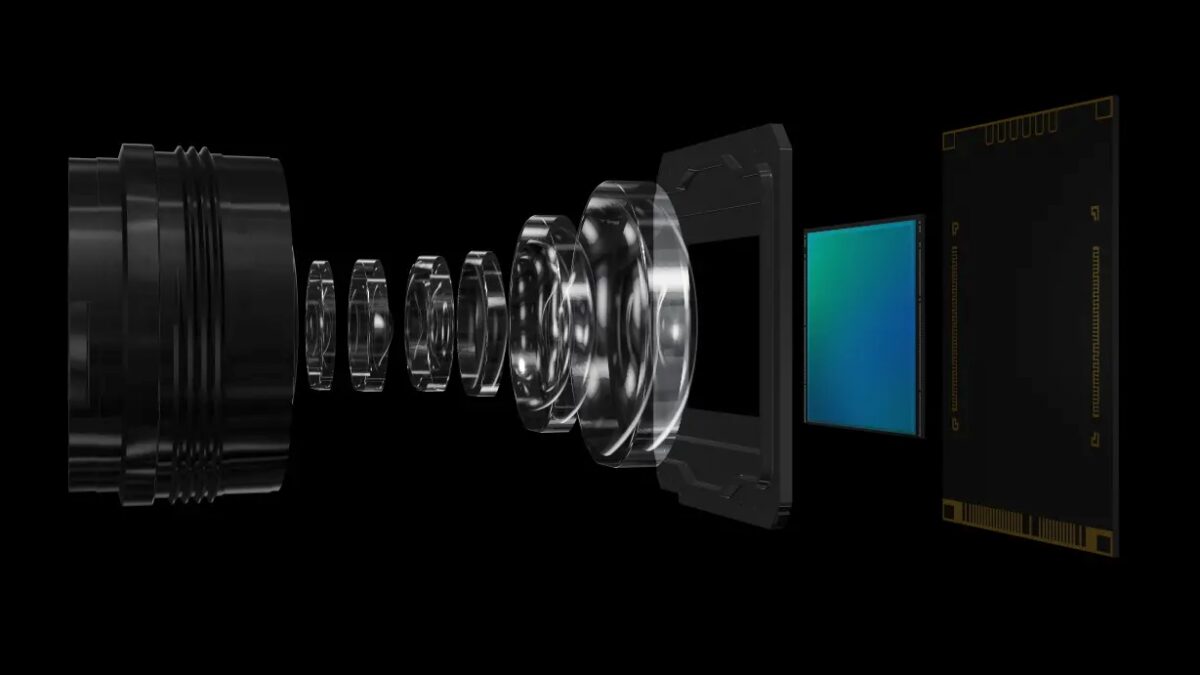
Sony has previewed the LYTIA L910, a new 50-megapixel stacked CMOS image sensor aimed at phones that want better highlights, cleaner shadows, and fewer HDR headaches. The LYTIA L910 is scheduled for mass-production shipment in summer 2026, and it marks the first sensor in Sony’s LYTIA lineup to use a Lateral Overflow Integration Capacitor, or LOFIC, structure.
The pitch is straightforward: handle bright light without blowing out the image, while keeping more detail in the dark areas too. That matters because smartphone cameras have spent years leaning on multi-frame HDR tricks, which can smear motion, create ghosting, and make flickering lights look even more annoying than they already are. Sony is trying to reduce that computational juggling act by doing more in a single exposure.
What the LYTIA L910 actually changes
Sony says the L910 combines LOFIC with single-exposure Triple Conversion Gain-HDR technology to reach 100 dB of high dynamic range. In plain English: it is built to pull detail out of both ends of the brightness scale without relying so heavily on stacked frames. That should be good news for moving subjects, stage lighting, concerts, and the general chaos of shooting video on a phone.
- Sensor size: 1/1.28-type
- Resolution: 50 megapixels
- HDR claim: 100 dB
- Low-light noise reduction: approximately 30% versus the LYTIA 828
Sony is leaning hard on video and streaming
The L910 is not just about still photos. Sony says a proprietary circuit design speeds up analog-to-digital conversion, cuts power consumption, and helps reduce smartphone battery drain. The headline feature for creators is full HDR 4K video at 60 fps, which is the sort of spec sheet bragging right manufacturers love because it fits neatly into a camera app demo and a keynote slide.
There is a broader pattern here. The best smartphone camera sensors increasingly do less ”raw sensor” work and more careful coordination with the phone’s image pipeline, especially as rivals push larger sensors and more aggressive computational photography. Sony is trying to make its hardware easier to trust before software starts its usual interpretive dance.
Why this sensor could matter for Xperia and beyond
Sony’s Xperia phones may not be dominating the Android conversation, but the company still has leverage in camera hardware, and that’s where this announcement lands. If the L910 delivers what Sony promises, it could become a tempting upgrade path for other phone makers chasing better low-light video, more stable HDR, and less battery pain during long recording sessions. The open question is whether Sony can translate this sensor tech into devices people actually buy in meaningful numbers, not just tech specs that look excellent in a press release.