

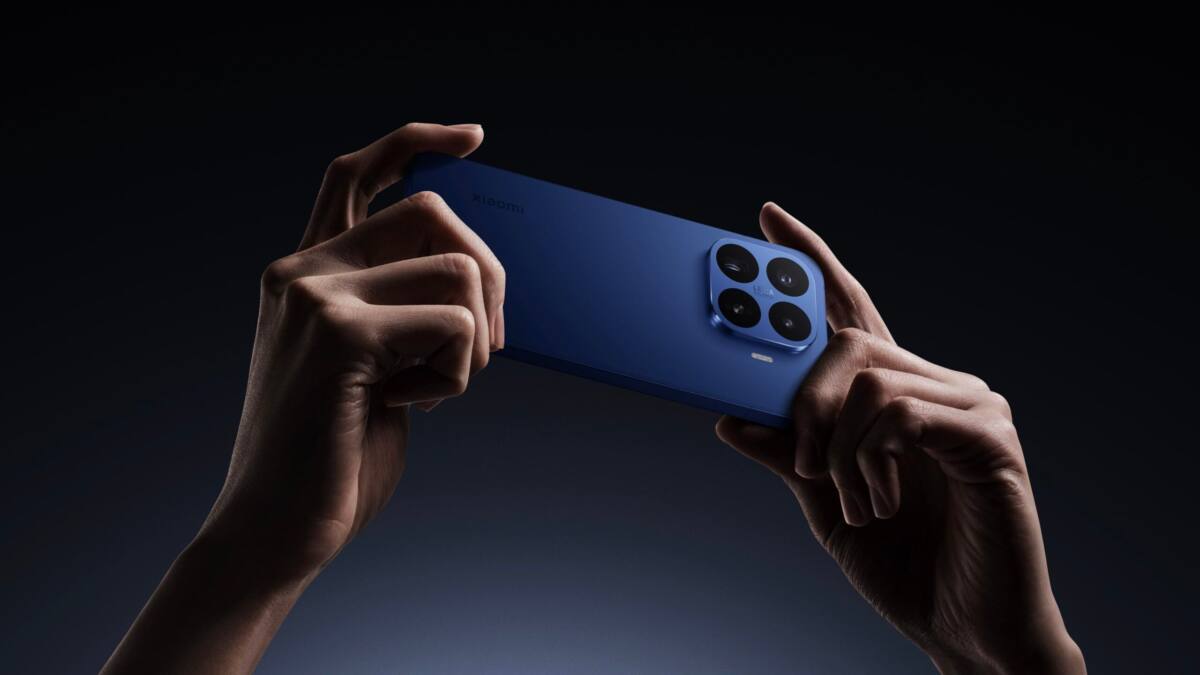
LLW memory could replace LPDDR in AI phones built for on-device AI, if a new leak is accurate. Smartphones running local AI models are running into a familiar bottleneck: memory bandwidth, and LPDDR is starting to look like the weak link.
LLW stands for Low Latency Wide DRAM, and the pitch is straightforward: give phones more speed without forcing them to adopt the kind of stacked, heat-hungry memory used in AI servers. If the claims hold up, LLW would sit somewhere between conventional mobile memory and the much faster HBM approach used in datacenters.
How LLW memory differs from LPDDR
The idea borrows from HBM, where multiple memory layers sit close to the processor and feed data through a very wide interface. That design is exactly why HBM can deliver much higher bandwidth, but it is also why it needs complex packaging and cooling that do not fit neatly into a handset.
LLW is supposed to chase the same goal without turning a phone into a tiny server. According to the report, it would offer lower latency and more bandwidth than LPDDR while avoiding the size and thermal headaches that stacked memory usually brings.
- LLW: Low Latency Wide DRAM
- Target: AI-focused smartphones running models locally
- Claimed bandwidth: 10 to 15 times faster than the current best LPDDR memory
- Reported power reduction: around 50%
- Reported performance uplift: roughly 1.5 times
The reported gains sound big, but the source is thin
There is a catch, and it is a big one. So far, the chatter comes from industry bloggers and tipsters, not from any official announcement, which is usually a good reason to keep the hype in check.
One leak from Fixed Focus Digital says LLW could cut power use by around 50% while improving performance by roughly 1.5 times. If that sounds like a dream spec sheet, that is because it is. Mobile memory has improved steadily over the years, but a leap that large would be a serious reset for phone makers chasing local AI.
When LLW memory could reach phones
Even the optimistic version of the rumor puts LLW a long way off. The leak says broader deployment will not happen until the second half of 2027, which gives manufacturers plenty of time to keep squeezing more out of LPDDR in the meantime.
Xiaomi and Huawei are mentioned as possible early adopters, though neither company has said anything publicly. That tracks with the broader race in mobile AI: the first brands to ship a new memory standard usually get the marketing win, while everyone else waits for costs, yields, and battery life to stop being annoying.