

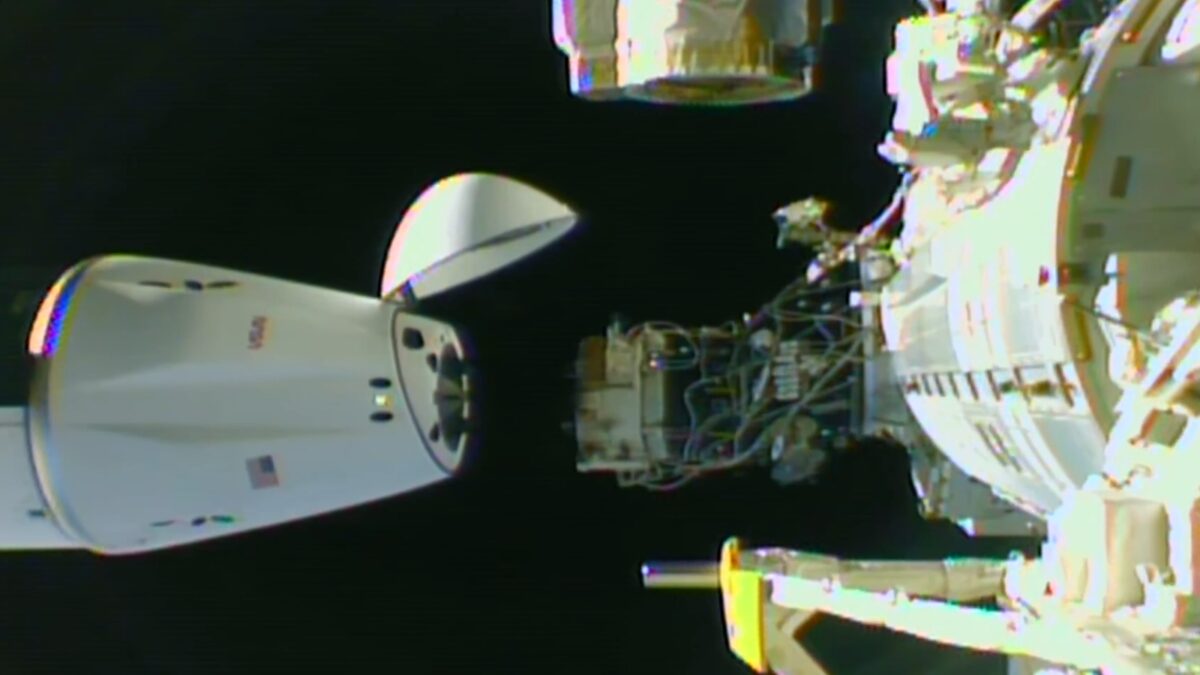
SpaceX’s Cargo Dragon has left the International Space Station carrying something far more interesting than spare bolts and trash: tissue samples and materials tied to cancer research. The spacecraft undocked on 16 June in an automated maneuver, and splashdown off the California coast is expected about 15 hours later. Cargo Dragon is the only operational cargo spacecraft that routinely returns scientific samples intact from orbit.
The ship arrived at the station on 17 May as part of the 34th commercial resupply mission, and now it is doing a job no other active cargo vehicle can match so routinely: returning scientific payloads intact. That matters because many station logistics flights end the easy way for space hardware – by burning up in the atmosphere with the waste they carry.
What Cargo Dragon is bringing home
Among the most valuable items aboard are cartilage tissue samples grown with a bioprinter in microgravity and materials from experiments focused on oncology. Microgravity is not just a novelty here; it can change how cells behave, which is exactly why researchers send delicate biology into orbit in the first place.
- Bioprinted cartilage tissue created in microgravity
- Materials from cancer research experiments
- Other scientific results from the station’s 34th commercial resupply mission
Why this Cargo Dragon return flight stands out
Space agencies have spent decades making launch cheaper, but the return leg is still the awkward part. Russia’s Soyuz capsules can bring people home, and a handful of vehicles can return cargo, yet Cargo Dragon is the only operational freighter that regularly hauls scientific samples back from orbit for analysis on Earth. That gives labs a faster path from station experiment to actual data, instead of waiting for a sample to dissolve into plasma on reentry.
For SpaceX, this is also quietly good business: reusable return capability makes the ISS a more useful laboratory, not just a warehouse in the sky. For scientists, it means tissue samples and experimental materials can be studied without the distortions that come from trying to recreate microgravity effects back on the ground.
What comes next for orbital science cargo
The bigger question is whether more cargo systems will eventually copy this model. If future station logistics flights can bring back fragile biological and medical samples more often, orbital research gets a lot less theatrical and a lot more practical. That is probably the point.