

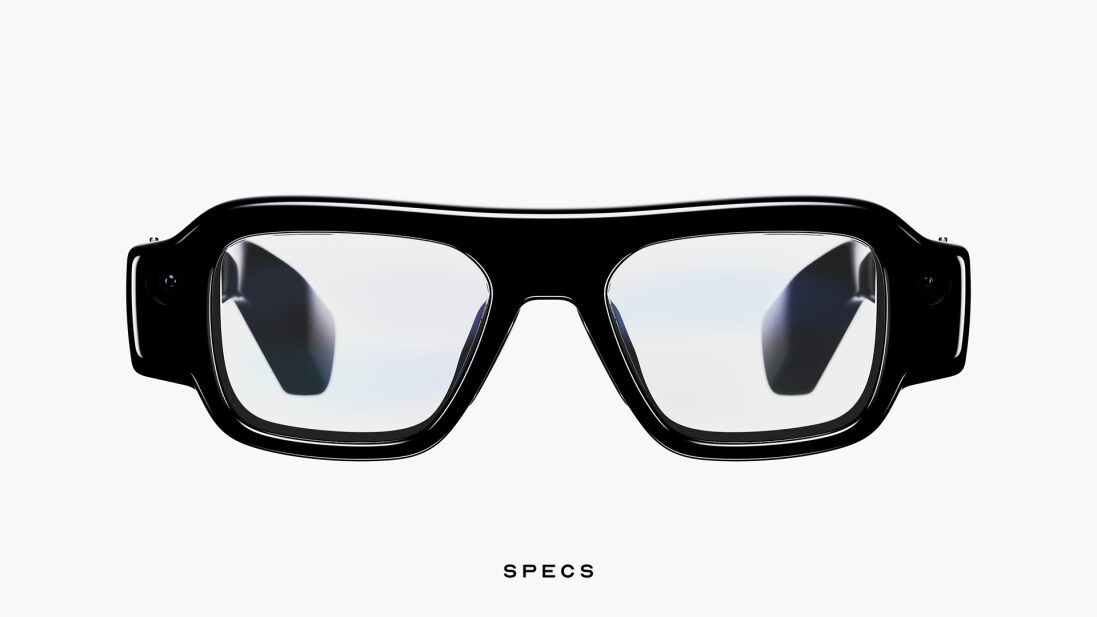
Snap has finally turned its long-running smart-glasses project into a consumer product. The new Snap Specs pack AI, AR, cameras, and computing into a single pair of glasses, but the entry price is a very un-Snap-like $2,195, which should tell you these are aimed at early adopters, not the ”just curious” crowd.
Preorders opened on June 16 with a refundable $200 deposit, and shipping is set to begin in the U.S., the U.K., and France in the autumn. That puts Snap in a tiny club with Meta and a handful of smaller players trying to make head-worn computing feel normal, except Snap is doing it with a more visibly premium, less mass-market pitch.
Snap Specs price, battery life and hardware
The company says all the computing lives inside the glasses themselves, with no external pack and no dangling cable. Specs use two Snapdragon system-on-chips, although Snap did not say which models, and the glasses are rated for up to 4 hours of continuous use or up to 20 hours with the included charging case.
- Price: $2,195
- Deposit: $200, refundable
- Battery life: up to 4 hours
- With charging case: up to 20 hours
- Weight: 132 g to 136 g, depending on version
What you can do with Snap’s AI glasses
Specs are designed to do much more than display notifications. Snap says users can watch video, record first-person clips, browse web apps, check email and run AR games, including EyeConnect, a multiplayer mode that starts when two people make eye contact. The headline feature, though, is contextual AI: point your gaze at an object and the glasses are supposed to surface information about it on the spot.
The display is rated at a 51-degree field of view and supports 16 million colors. That is a decent spec sheet on paper, but the real test is whether people will tolerate a bulky, expensive pair of smart glasses long enough for the software to justify the hardware tax.
A decade of waiting, and a narrow first audience
Snap has been talking about this category for more than 10 years, and the consumer version of Specs feels like a statement of intent as much as a product launch. The company is betting that a self-contained design and AI assistance can make smart glasses feel less like a gadget demo and more like something people might actually wear, even if the first wave is almost guaranteed to be small.
The bigger question is whether Snap can keep pushing down the friction enough to make the next version more believable for everyday use. For now, the company has built the sort of device that makes rivals take notice, and makes shoppers check their bank balance twice.