

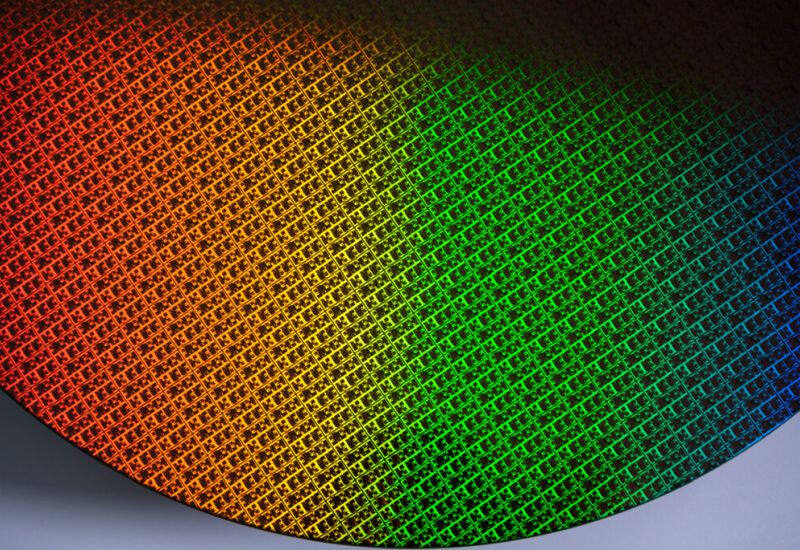
Intel has begun pilot production of chips using 18A-P, a refined version of its 18A manufacturing process, in a move that looks aimed less at bragging rights and more at winning external customers for its foundry business. The company says the new node can deliver 9% higher performance or 18% lower power than 18A, while also improving chip thermal characteristics by at least 20%.
That matters because Intel is trying to convince outside buyers that its process technology is not just competitive on paper, but ready for real commercial work. With TSMC still constrained in how quickly it can expand advanced packaging services, Intel has a window to pitch itself as a practical alternative for companies that want more supply-chain options.
What 18A-P adds to Intel’s foundry pitch
According to Intel, 18A-P stays fully compatible with the toolset already used for 18A, which should make the transition between the two processes less painful for chip designers. That is the sort of detail foundry customers care about far more than marketing gloss: lower switching friction can be just as persuasive as headline performance numbers.
- 9% higher performance versus 18A
- 18% lower power versus 18A
- At least 20% better thermal characteristics
- Full tool compatibility with 18A
Why Intel needs external customers
Intel chief Lip-Bu Tan said in May that he expected several customers for the company’s contract manufacturing arm in the second half, and 18A-P looks like part of the campaign to make that believable. Apple is being floated as a possible customer, which is a very Intel thing to hope for: if you can get Cupertino interested, everyone else stops asking awkward questions.
The real test is not whether Intel can announce a fancy node, but whether it can raise yields to a level customers will trust. Until that happens, 18A-P is best understood as a promising sales argument with silicon attached.
The next hurdle for 18A-P
Intel has not said when 18A-P will be ready for broad commercial use, and that leaves the most important question open: can the company turn technical progress into a process customers are willing to bet product roadmaps on? If it can, the foundry business gets a real shot at momentum. If not, 18A-P becomes just another impressive spec sheet.