

Gemini features come later this year
Google says select Wear OS 7 devices will get several Gemini features later this year, including ”Create My Widget,” which can build custom dashboards from natural-language commands. Gemini will also handle multi-step app automation, so wrist-based chores such as booking fitness classes or ordering food should take fewer taps and a little less patience.
The AI push also brings the Neural Expressive design language and a Personal Intelligence feature that connects with Google apps such as Gmail and Search to surface more contextual suggestions. That is classic Google: first make the watch smarter, then make it predict what you wanted before you were entirely sure yourself. For Pixel Watch owners, the real test is whether these additions feel genuinely useful or just like another layer of polish on the same small screen.
More connected than before
Wear OS 7 also leans harder into Google’s wider device ecosystem. The update improves integration with earbuds and upcoming smart eyewear, including the ability to review photos captured on smart glasses directly on the watch face. That is an oddly specific workflow, but it points to where Google wants the platform to go: less isolated wrist gadget, more traffic cop for whatever you are wearing.
The broader smartwatch race has shifted in that direction for a while, with rivals trying to make wearables do more of the coordinating and less of the nagging. If Google can make Wear OS 7 feel fast, useful, and a little less battery-hungry, Pixel Watch users may finally get an update that sounds like a feature list and feels like a hardware upgrade.
Gemini features come later this year
Google says select Wear OS 7 devices will get several Gemini features later this year, including ”Create My Widget,” which can build custom dashboards from natural-language commands. Gemini will also handle multi-step app automation, so wrist-based chores such as booking fitness classes or ordering food should take fewer taps and a little less patience.
The AI push also brings the Neural Expressive design language and a Personal Intelligence feature that connects with Google apps such as Gmail and Search to surface more contextual suggestions. That is classic Google: first make the watch smarter, then make it predict what you wanted before you were entirely sure yourself. For Pixel Watch owners, the real test is whether these additions feel genuinely useful or just like another layer of polish on the same small screen.
More connected than before
Wear OS 7 also leans harder into Google’s wider device ecosystem. The update improves integration with earbuds and upcoming smart eyewear, including the ability to review photos captured on smart glasses directly on the watch face. That is an oddly specific workflow, but it points to where Google wants the platform to go: less isolated wrist gadget, more traffic cop for whatever you are wearing.
The broader smartwatch race has shifted in that direction for a while, with rivals trying to make wearables do more of the coordinating and less of the nagging. If Google can make Wear OS 7 feel fast, useful, and a little less battery-hungry, Pixel Watch users may finally get an update that sounds like a feature list and feels like a hardware upgrade.
Gemini features come later this year
Google says select Wear OS 7 devices will get several Gemini features later this year, including ”Create My Widget,” which can build custom dashboards from natural-language commands. Gemini will also handle multi-step app automation, so wrist-based chores such as booking fitness classes or ordering food should take fewer taps and a little less patience.
The AI push also brings the Neural Expressive design language and a Personal Intelligence feature that connects with Google apps such as Gmail and Search to surface more contextual suggestions. That is classic Google: first make the watch smarter, then make it predict what you wanted before you were entirely sure yourself. For Pixel Watch owners, the real test is whether these additions feel genuinely useful or just like another layer of polish on the same small screen.
More connected than before
Wear OS 7 also leans harder into Google’s wider device ecosystem. The update improves integration with earbuds and upcoming smart eyewear, including the ability to review photos captured on smart glasses directly on the watch face. That is an oddly specific workflow, but it points to where Google wants the platform to go: less isolated wrist gadget, more traffic cop for whatever you are wearing.
The broader smartwatch race has shifted in that direction for a while, with rivals trying to make wearables do more of the coordinating and less of the nagging. If Google can make Wear OS 7 feel fast, useful, and a little less battery-hungry, Pixel Watch users may finally get an update that sounds like a feature list and feels like a hardware upgrade.
Gemini features come later this year
Google says select Wear OS 7 devices will get several Gemini features later this year, including ”Create My Widget,” which can build custom dashboards from natural-language commands. Gemini will also handle multi-step app automation, so wrist-based chores such as booking fitness classes or ordering food should take fewer taps and a little less patience.
The AI push also brings the Neural Expressive design language and a Personal Intelligence feature that connects with Google apps such as Gmail and Search to surface more contextual suggestions. That is classic Google: first make the watch smarter, then make it predict what you wanted before you were entirely sure yourself. For Pixel Watch owners, the real test is whether these additions feel genuinely useful or just like another layer of polish on the same small screen.
More connected than before
Wear OS 7 also leans harder into Google’s wider device ecosystem. The update improves integration with earbuds and upcoming smart eyewear, including the ability to review photos captured on smart glasses directly on the watch face. That is an oddly specific workflow, but it points to where Google wants the platform to go: less isolated wrist gadget, more traffic cop for whatever you are wearing.
The broader smartwatch race has shifted in that direction for a while, with rivals trying to make wearables do more of the coordinating and less of the nagging. If Google can make Wear OS 7 feel fast, useful, and a little less battery-hungry, Pixel Watch users may finally get an update that sounds like a feature list and feels like a hardware upgrade.
Gemini features come later this year
Google says select Wear OS 7 devices will get several Gemini features later this year, including ”Create My Widget,” which can build custom dashboards from natural-language commands. Gemini will also handle multi-step app automation, so wrist-based chores such as booking fitness classes or ordering food should take fewer taps and a little less patience.
The AI push also brings the Neural Expressive design language and a Personal Intelligence feature that connects with Google apps such as Gmail and Search to surface more contextual suggestions. That is classic Google: first make the watch smarter, then make it predict what you wanted before you were entirely sure yourself. For Pixel Watch owners, the real test is whether these additions feel genuinely useful or just like another layer of polish on the same small screen.
More connected than before
Wear OS 7 also leans harder into Google’s wider device ecosystem. The update improves integration with earbuds and upcoming smart eyewear, including the ability to review photos captured on smart glasses directly on the watch face. That is an oddly specific workflow, but it points to where Google wants the platform to go: less isolated wrist gadget, more traffic cop for whatever you are wearing.
The broader smartwatch race has shifted in that direction for a while, with rivals trying to make wearables do more of the coordinating and less of the nagging. If Google can make Wear OS 7 feel fast, useful, and a little less battery-hungry, Pixel Watch users may finally get an update that sounds like a feature list and feels like a hardware upgrade.
- Up to 10% better battery life for most users upgrading from Wear OS 6
- Android Live Updates for glanceable, real-time information
- Playback controls across headphones and home speakers
- Audio handoff through the native media output switcher
Gemini features come later this year
Google says select Wear OS 7 devices will get several Gemini features later this year, including ”Create My Widget,” which can build custom dashboards from natural-language commands. Gemini will also handle multi-step app automation, so wrist-based chores such as booking fitness classes or ordering food should take fewer taps and a little less patience.
The AI push also brings the Neural Expressive design language and a Personal Intelligence feature that connects with Google apps such as Gmail and Search to surface more contextual suggestions. That is classic Google: first make the watch smarter, then make it predict what you wanted before you were entirely sure yourself. For Pixel Watch owners, the real test is whether these additions feel genuinely useful or just like another layer of polish on the same small screen.
More connected than before
Wear OS 7 also leans harder into Google’s wider device ecosystem. The update improves integration with earbuds and upcoming smart eyewear, including the ability to review photos captured on smart glasses directly on the watch face. That is an oddly specific workflow, but it points to where Google wants the platform to go: less isolated wrist gadget, more traffic cop for whatever you are wearing.
The broader smartwatch race has shifted in that direction for a while, with rivals trying to make wearables do more of the coordinating and less of the nagging. If Google can make Wear OS 7 feel fast, useful, and a little less battery-hungry, Pixel Watch users may finally get an update that sounds like a feature list and feels like a hardware upgrade.
- Up to 10% better battery life for most users upgrading from Wear OS 6
- Android Live Updates for glanceable, real-time information
- Playback controls across headphones and home speakers
- Audio handoff through the native media output switcher
Gemini features come later this year
Google says select Wear OS 7 devices will get several Gemini features later this year, including ”Create My Widget,” which can build custom dashboards from natural-language commands. Gemini will also handle multi-step app automation, so wrist-based chores such as booking fitness classes or ordering food should take fewer taps and a little less patience.
The AI push also brings the Neural Expressive design language and a Personal Intelligence feature that connects with Google apps such as Gmail and Search to surface more contextual suggestions. That is classic Google: first make the watch smarter, then make it predict what you wanted before you were entirely sure yourself. For Pixel Watch owners, the real test is whether these additions feel genuinely useful or just like another layer of polish on the same small screen.
More connected than before
Wear OS 7 also leans harder into Google’s wider device ecosystem. The update improves integration with earbuds and upcoming smart eyewear, including the ability to review photos captured on smart glasses directly on the watch face. That is an oddly specific workflow, but it points to where Google wants the platform to go: less isolated wrist gadget, more traffic cop for whatever you are wearing.
The broader smartwatch race has shifted in that direction for a while, with rivals trying to make wearables do more of the coordinating and less of the nagging. If Google can make Wear OS 7 feel fast, useful, and a little less battery-hungry, Pixel Watch users may finally get an update that sounds like a feature list and feels like a hardware upgrade.
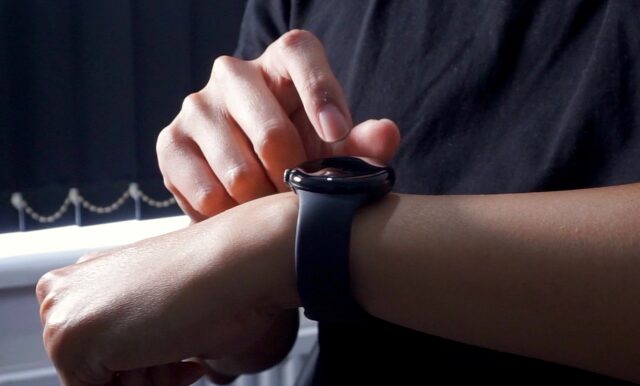
Google has started rolling out Wear OS 7 to select Pixel Watch models, and the update arrives with the kind of features that are easy to demo and even easier to market: Android Live Updates, tighter device integration, Gemini-powered tools, and a claimed battery boost. The headline number is modest but welcome. Google says most people moving from Wear OS 6 can expect up to 10% better battery life.
That battery claim matters because smartwatch buyers have spent years accepting ”smart” as shorthand for ”needs charging again tonight.” A 10% gain is not a miracle, but it is the sort of improvement that can make the difference between topping up at dinner and making it to breakfast. The other additions aim to make the watch feel less like a tiny phone and more like a useful control surface for the rest of your gadgets.
Wear OS 7 battery life and live updates
The most visible addition is Android Live Updates, which puts real-time information directly on the watch. Think live sports scores, delivery ETAs, or workout progress without diving back into an app every five minutes. It is the kind of feature that sounds small until you use it, then suddenly basic notifications feel a bit prehistoric.
- Up to 10% better battery life for most users upgrading from Wear OS 6
- Android Live Updates for glanceable, real-time information
- Playback controls across headphones and home speakers
- Audio handoff through the native media output switcher
Gemini features come later this year
Google says select Wear OS 7 devices will get several Gemini features later this year, including ”Create My Widget,” which can build custom dashboards from natural-language commands. Gemini will also handle multi-step app automation, so wrist-based chores such as booking fitness classes or ordering food should take fewer taps and a little less patience.
The AI push also brings the Neural Expressive design language and a Personal Intelligence feature that connects with Google apps such as Gmail and Search to surface more contextual suggestions. That is classic Google: first make the watch smarter, then make it predict what you wanted before you were entirely sure yourself. For Pixel Watch owners, the real test is whether these additions feel genuinely useful or just like another layer of polish on the same small screen.
More connected than before
Wear OS 7 also leans harder into Google’s wider device ecosystem. The update improves integration with earbuds and upcoming smart eyewear, including the ability to review photos captured on smart glasses directly on the watch face. That is an oddly specific workflow, but it points to where Google wants the platform to go: less isolated wrist gadget, more traffic cop for whatever you are wearing.
The broader smartwatch race has shifted in that direction for a while, with rivals trying to make wearables do more of the coordinating and less of the nagging. If Google can make Wear OS 7 feel fast, useful, and a little less battery-hungry, Pixel Watch users may finally get an update that sounds like a feature list and feels like a hardware upgrade.