

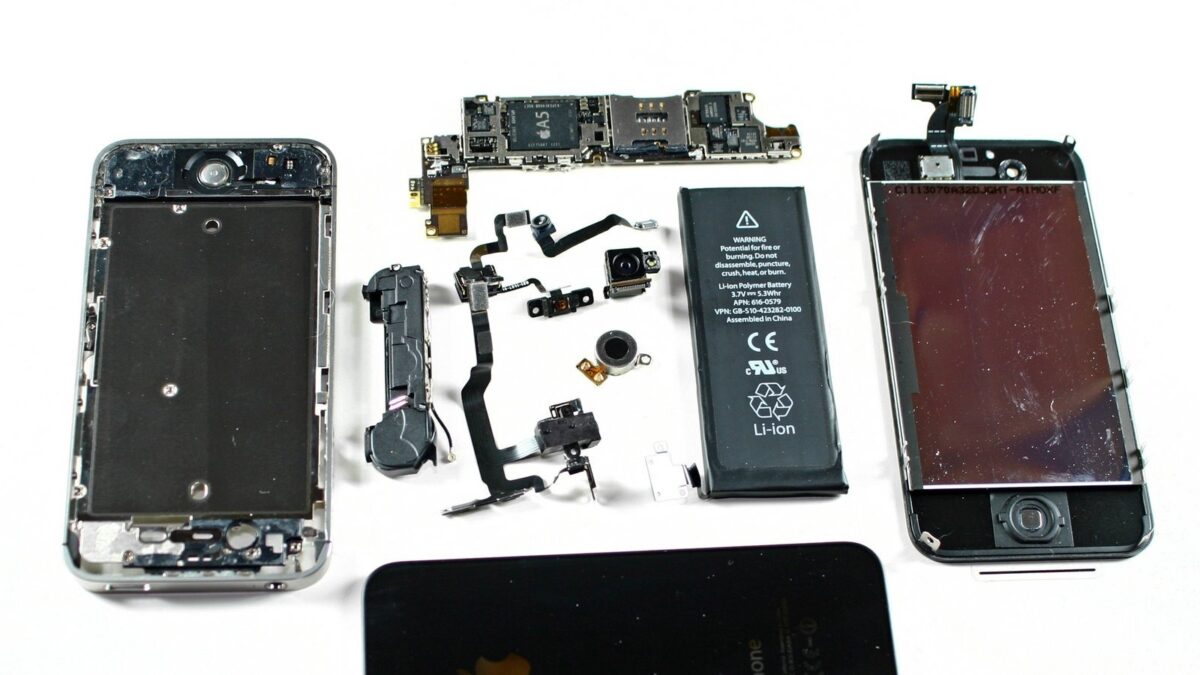
A new interactive site is turning the history of the iPhone into something far more useful than a nostalgia trip: a hardware timeline that shows how Apple moved from dependence on outside suppliers to a stack built increasingly on its own chips and components. The project, called Inside Every iPhone, tracks the iPhone from the first model in 2007 through devices from 2025, and it makes one long-running Apple strategy easy to see at a glance.
The site comes from The Data Drop and is laid out as a long, scrollable timeline. Instead of listing models like a museum label, it breaks down the guts of each phone – processors, modems, cameras, displays, and other parts – so the same product line can be compared across nearly two decades without squinting at spec sheets. That kind of presentation is handy because Apple has spent years quietly reducing its reliance on third-party hardware, and this makes the shift visible rather than marketing-friendly.
What Inside Every iPhone shows
The timeline includes the major iPhone generations as well as a few models that punched above their weight, including the iPhone SE, iPhone 12 mini, and iPhone 15 Pro Max. Those phones matter because Apple used them to test different sizes, price points, and hardware approaches, and they often reveal more about the company’s priorities than the flagship model of the moment.
- Processors across each generation
- Modems and connectivity hardware
- Cameras and display components
- Parts sourced from outside suppliers and Apple’s own designs
Apple’s shift to in-house hardware
The most interesting thread here is not the parade of old phones. It is Apple’s gradual move toward owning more of the stack, from key silicon to other platform-defining parts. Rival phone makers have spent years chasing the same kind of control, but Apple’s scale gives it a cleaner path: fewer dependencies, more leverage, and a tighter link between software and hardware.
That does not just help margins, although it certainly does that. It also gives Apple more room to tune performance, battery life, and feature rollouts on its own schedule, which is why these hardware transitions tend to show up first in chip strategy and only later in the glossy keynote slides.
The next iPhone chapter
Apple’s next lineup is expected in September, and the source material says a foldable model is set to appear in the range for the first time. If that happens, it will add a fresh layer to a product family that has already reinvented itself more than once – and a site like this will become even more useful for tracking which parts Apple still buys, which parts it now owns, and which suppliers get quietly edged out.