

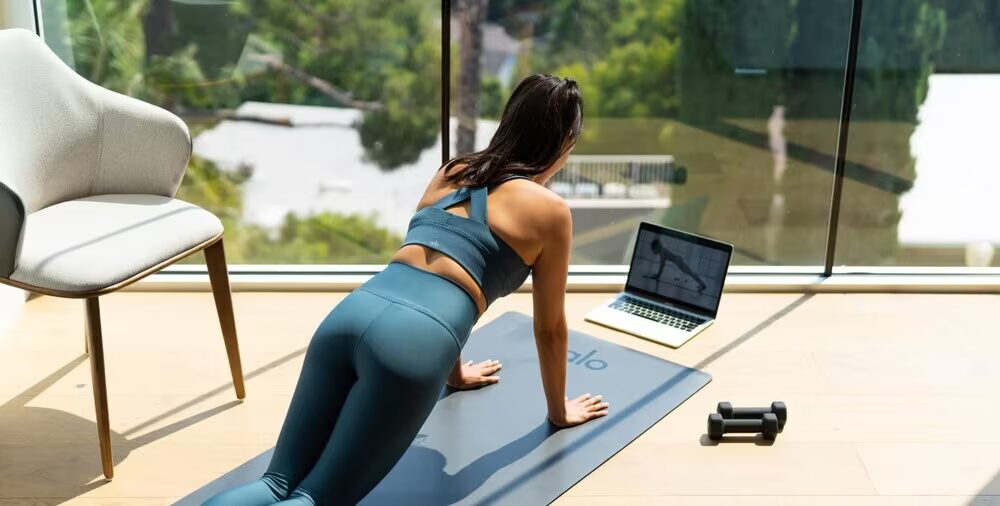
Busy schedules, pricey studio classes, and reluctance to hire personal trainers often stand in the way of regular workouts. Fitness apps solve this by offering affordable, on-demand programs tailored to any skill level. Our experts have curated the best fitness apps for women-focusing not only on physical training but also on mental wellbeing. While these fitness apps target female users, they’re suitable for everyone; the idea of ”men’s” and ”women’s” workouts is outdated in today’s fitness science.
EvolveYou – top choice for fully personalized workout plans
EvolveYou stands out for a deeply custom approach. It offers a wide range of workouts-from strength and cardio to yoga and barre-while factoring in your fitness level, goals, and even dietary preferences.
Pros: fully customizable workout programs, multiple difficulty levels, built-in nutrition planner.
Cons: every rep must be manually confirmed during a set, which some users find annoying.
The level of customization here feels like having a personal trainer crafting your plan. You can select a coach with a specific specialty, choose how many sessions per week (three or five), difficulty level (beginner to expert), available equipment, workout location (home or gym), and dietary type. Program length ranges from eight weeks (yoga) to 67 weeks (strength training).
Once set up, you get a personal dashboard with a weekly planner: workouts are scheduled by day, their order is adjustable, and you can add extra classes or challenges from the library. Each exercise includes a short video and technique description.
EvolveYou’s standout feature is its built-in meal planner supporting four diet types: standard, vegetarian, vegan, and pescatarian. You can input meals manually or let the app generate entire menus, shopping lists, and recipes-most ready in under 20 minutes. New users receive a seven-day free trial.
Stronger by the Day – for serious strength training
Pros: affordable ($15/month), science-based programs, clear video demos, built-in workout log.
Cons: workout interface is clunky, making it hard to track exercise order; some terms may confuse beginners.
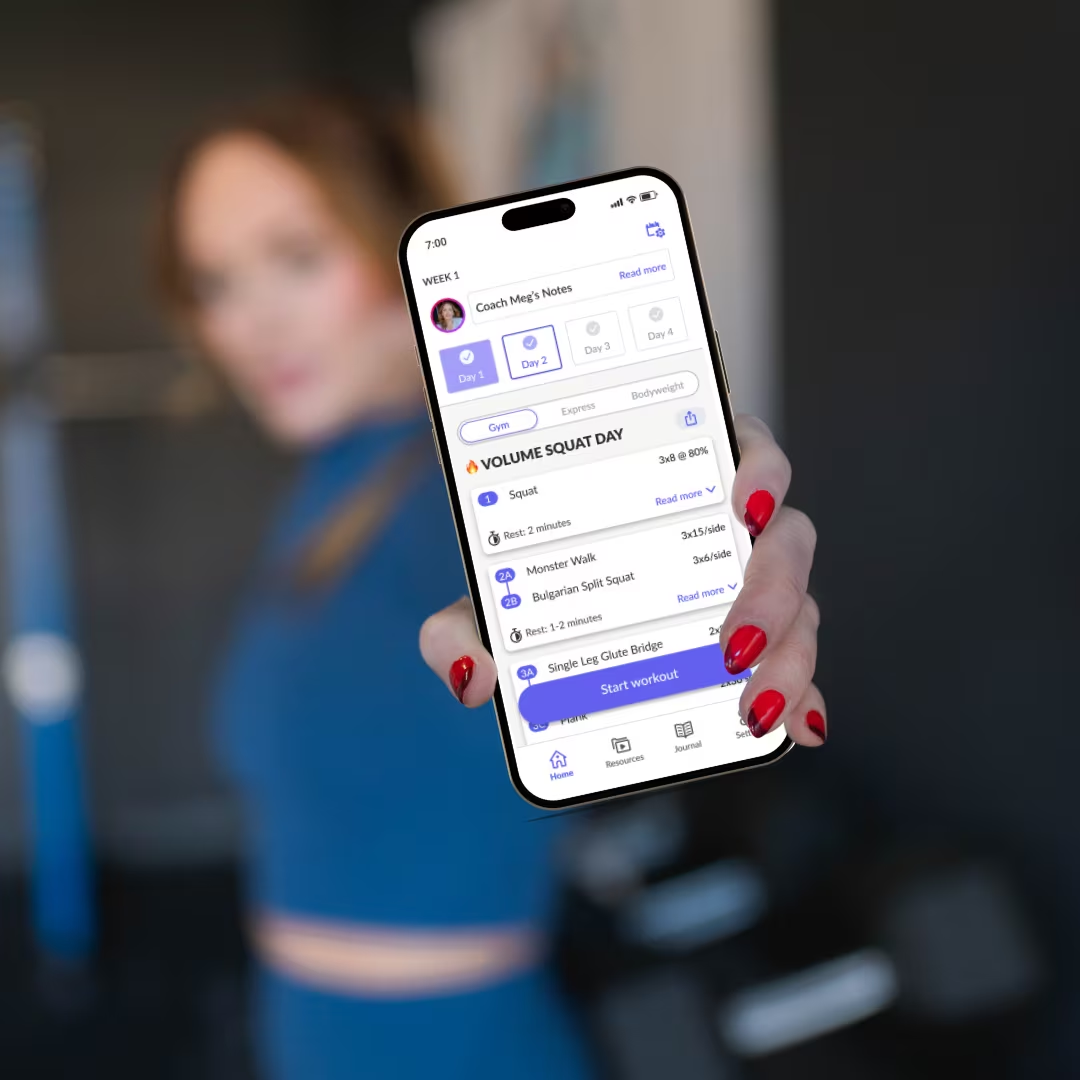
Created by powerlifting coach and athlete Meg Gallagher, Stronger by the Day is designed with a scientific approach to help women build strength.
The app is available on iOS and Android. After a 7-day free trial, subscriptions cost:
- $15/month
- $40/quarter
- $100/year
It features five weekly workouts (the fifth optional), splitting days between upper and lower body. You can choose gym, bodyweight, or express formats. Each session includes warm-ups, video demos, and exercise explanations. You can swap exercises if you lack equipment or have physical limitations. Cardio blocks are optional post-workout.
Progression is central, supported by a workout log that tracks weights and reps. When you hit a personal best, the app suggests new target loads.
Stronger by the Day is ideal for those familiar with strength training who want to step up their game. It also includes educational videos on nutrition, breathing techniques, and proper form.
Melissa Wood Health – fitness with a focus on body and mind
Pros: large, well-organized workout library; suits different fitness levels and body types; short sessions easily combined.
Cons: lacks structured long-term programs and progress tracking tools.
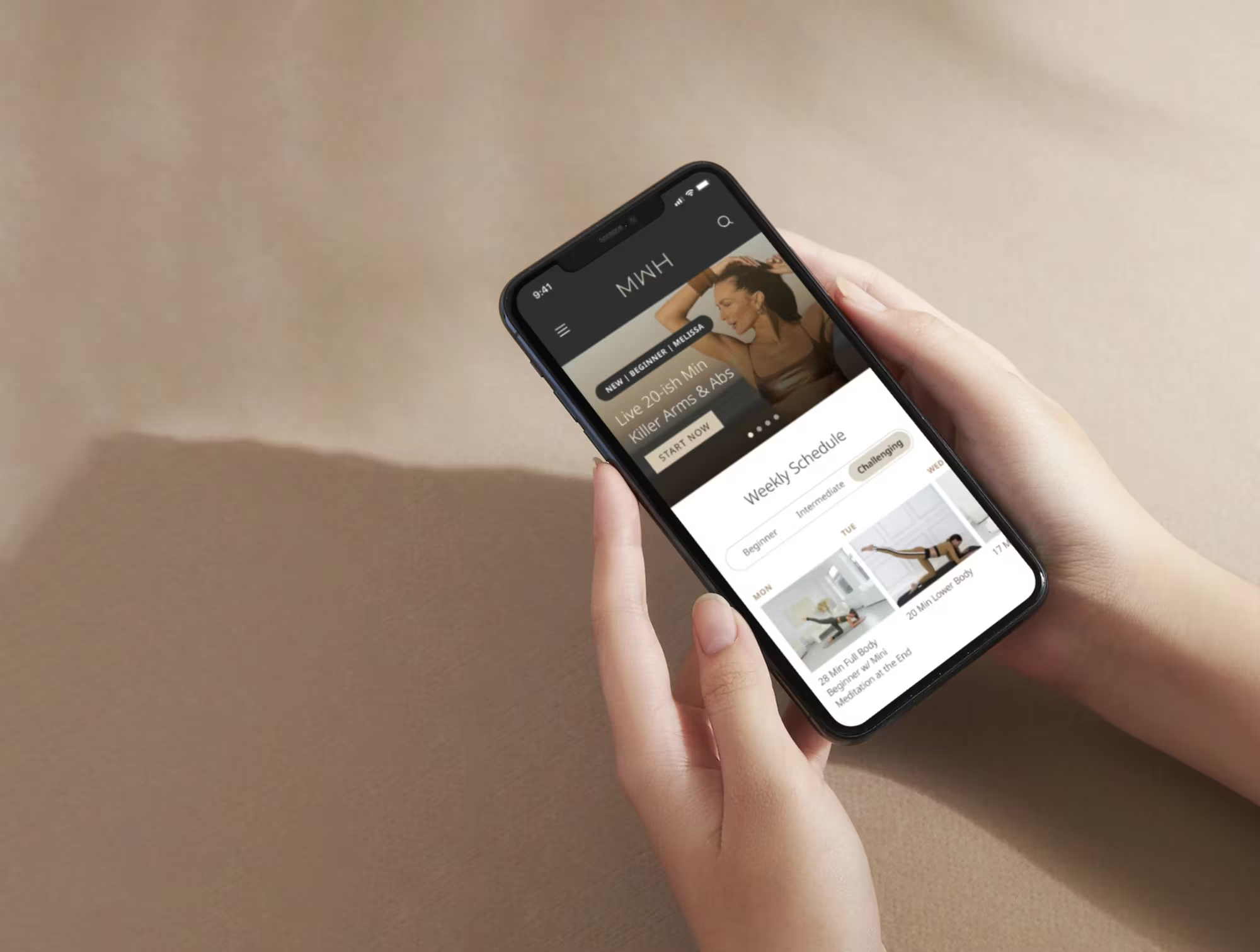
Melissa Wood Health (MWH) emphasizes controlled, low-intensity movements for a lean, toned silhouette. Each session begins with setting an intention-a mental focus to foster a healthier relationship with your body, not just physical strength.
The library updates every Monday with new classes. Most videos run 10-30 minutes and blend Pilates with yoga. Despite the low-intensity label, these workouts are challenging, featuring slow, repeated motions to fully activate muscles. Warm-ups sometimes include dance elements to set the mood. The app also offers meditations, workouts for pregnant and postpartum women, and beginner-friendly programs.
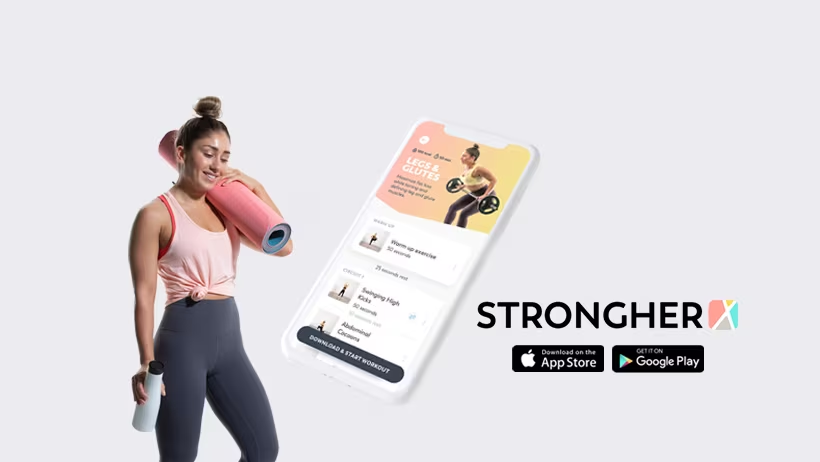
StrongHer – pocket personal trainer focused on progress
Pros: tailored recommendations, detailed progress tracking, personalized meal plans.
Cons: frequent upsell prompts for pricier plans; slow customer support per App Store reviews.
Created by Melissa Chalmers, who developed the app while preparing for her wedding, StrongHer aims to be a virtual personal trainer always at your fingertips.
After downloading, it asks your goals (lose weight, tone up, or gain muscle), workout location, preferred training type, height, weight, and lifestyle details to generate a personalized plan.
Nutrition plans include standard, keto, and vegetarian options. Vegans can manually exclude honey, milk, and eggs to get a full vegan diet. The app uses a points system similar to Weight Watchers, assigning values based on calories, fat, and protein content.
StrongHer shines at tracking progress. For example, if you start biceps curls with 2 kg dumbbells and advance to 4 kg within two months, the app visualizes your improvements alongside activity, calorie, and water intake history.
Workouts are engaging and flexible: you pick weights yourself without rigid app constraints. Each exercise includes a brief description and video demo.
Alo Wellness Club – studio experience in your living room
Pros: personalized class recommendations, extensive library.
Cons: pricier than most competitors; some classes may be too advanced for complete beginners.
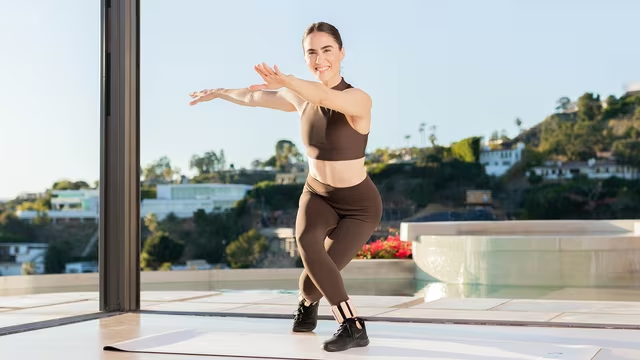
Alo Wellness Club is the fitness and wellness app from Alo Yoga, the brand famous for its cult-favorite Goddess leggings. It offers a vast library of live classes with expert instructors.
Beyond yoga, subscribers get Pilates, strength training, barre, sculpt, HIIT, stretching, plus nutrition and self-care content. Highlights include the Gut Health series-combining nutritional advice and core-focused Pilates for digestion-and the Hour Glass method, which builds strength progressively without overload.
Each instructor brings a unique style and energy. Restorative yoga teachers deliver calming sessions perfect for morning routines, while Kundalini and Vinyasa instructors energize you to tackle your day. Note: some instructors expect prior knowledge of poses, which might challenge newcomers. Alo offers a 14-day free trial.
Sweat – tried-and-true classic for workout variety
Pros: Spotify and Apple Music integration, flexible weekly plan customization, alternative exercises available.
Cons: pricier than similar apps, some exercises repeat often within workouts.
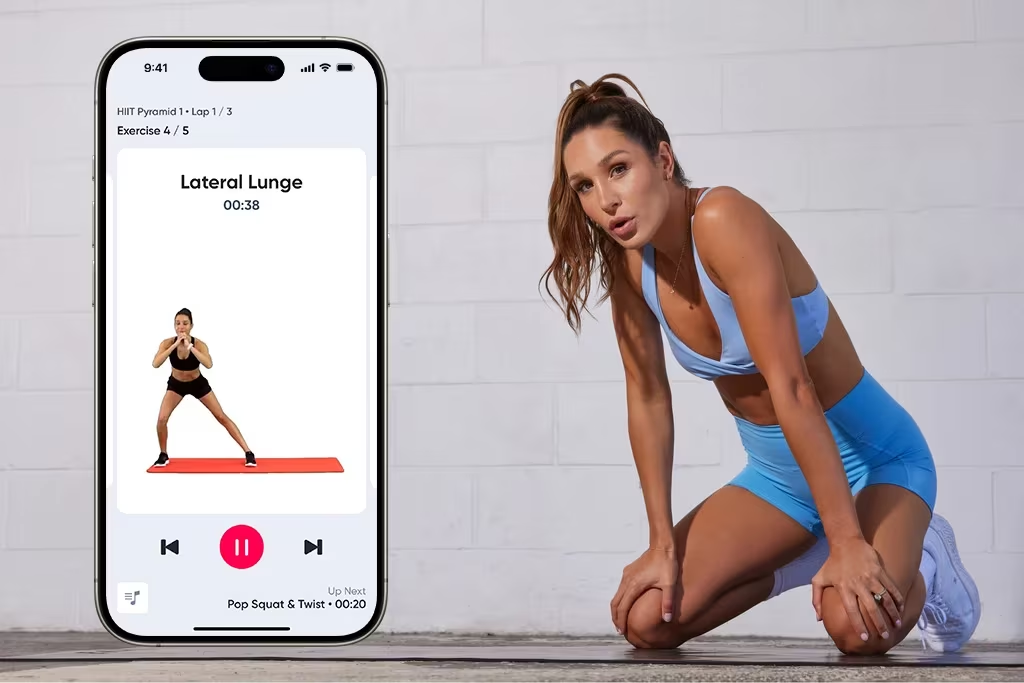
Founded by Australian trainer Kayla Itsines-who gained fame with her high-intensity workout ebooks in 2015-Sweat has evolved into a full app with over a million monthly active users.
Sweat’s library includes over 30 programs: home workouts, gym sessions, post-pregnancy training, and no-equipment routines. Once finished with one program, it’s easy to jump into another to keep your routine fresh. Like others here, it offers meal planning alongside workouts.
You can link Spotify or Apple Music playlists before training and indicate what equipment you have on hand; the app then tailors workouts accordingly. This addresses a common shortcoming of fitness apps that offer rigid programs without accounting for users’ available gear. All exercises feature video demos with detailed technique instructions.
Sweat’s flagship program, PWR, focuses on muscle growth and strength through hypertrophy-progressively increasing load to build muscle mass. Workouts last 45-60 minutes and primarily target gym sessions, with a home version (PWR At Home) for those who prefer training outside the gym. A seven-day free trial is available.
How to pick the right fitness app
When choosing a fitness app, consider these key factors:
Progress tracking. A good app doesn’t just offer workouts, it records your achievements. Without clear progress visuals, it’s tough to know if you’re moving toward your goals.
Wearable device integration. If you use a fitness tracker or smartwatch, check if the app syncs with your devices for a comprehensive overview.
Instruction quality. Clear technique explanations and accurate video demos-preferably from certified trainers or nutritionists-are essential to train safely and effectively.
Why choose a fitness app over a gym membership?
Apps offer greater flexibility and lower cost. Subscriptions typically run $10-20 per month, far less than studio classes or personal trainers. You can work out anywhere-home, hotel, outdoors. The main downside is the lack of live form correction.
Are these apps suitable for complete beginners?
Most are, with caveats. EvolveYou, StrongHer, and Sweat provide beginner levels with technique demos. Apps like Alo Wellness Club and Stronger by the Day assume some basic experience. Beginners should pick apps that carefully explain each movement.
Can I use multiple fitness apps at once?
Technically yes, but usually not advisable. Programs are designed to be completed sequentially; juggling multiple can cause overload or disrupt progression. Better to focus on one app’s program before switching.
Is it safe to use these programs during pregnancy?
Some apps, like Melissa Wood Health, offer special prenatal and postpartum workouts. However, always consult a doctor before training while pregnant, as even low-intensity exercise needs a personalized approach.
Compared to U.S. and global leaders like Apple Fitness+ or Nike Training Club, these fitness apps stand out by offering nutrition planning and a holistic focus on wellbeing beyond just workouts. Many also have lower price points and more tailored programs specifically addressing women’s fitness concerns, though the actual science of fitness welcomes everyone regardless of gender.
As the fitness app field heats up in 2026, expect more integration of AI-driven coaching and mental health features, further blurring lines between physical training and wellness. Apps that combine personalization, community, and data tracking will lead the pack-making it essential to look beyond just workout variety when choosing your digital fitness partner.