

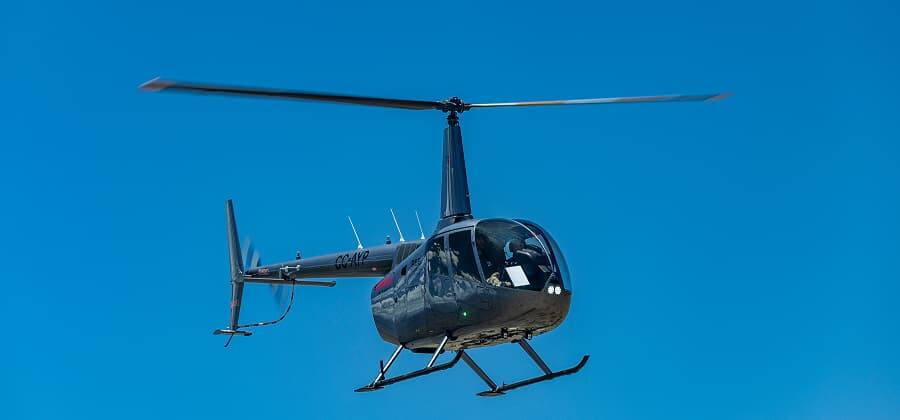
Starlink is bringing 310 Mbps internet to Chile’s mountain helicopters, giving crews live broadband in flight in Patagonia and the Andes. In places where cell coverage is practically nonexistent, the satellite link is becoming a useful tool for mission-critical communications.
That shift points to where Starlink is finding new growth: not just homes and remote schools, but aviation routes that have historically been expensive or impossible to keep connected. Chile has been one of the company’s key testbeds since service launched in 2021, and the country has already seen deployments for remote schools and settlements, plus Direct to Device support for basic emergency messaging on smartphones in November 2025.
Starlink in flight on Chilean helicopters
The aviation version is built for a rough life: vibration, sharp temperature swings, and the kind of mechanical punishment that makes consumer gear tap out fast. According to the company, the system is approved for use while flying and can deliver speeds of up to 310 Mbps with latency below 99 ms. For crews, that means weather updates, operational coordination, and video calls that actually work before the window of opportunity closes.
- Speed: up to 310 Mbps
- Latency: less than 99 ms
- Use case: helicopter operations in isolated regions
Why remote aviation is becoming a satellite business
This is the part that should make traditional telecom operators uncomfortable. Remote aviation has always needed reliable communications, but laying fiber across mountain country is expensive and often absurd; satellite is simply the less dramatic option. Starlink has already been pushing into education and emergency connectivity in Chile, and that playbook now extends neatly into aviation, where speed and coverage matter more than whether the nearest tower is 200 km away.
The commercial angle is obvious, too. Starlink says it added 11 new airlines in 2026 alone, which suggests the company is using aviation as a growth engine rather than a side project. Helicopters in Chile may be a niche deployment, but niche is often how infrastructure becomes unavoidable.
What comes next for Starlink aviation
Chile is likely to remain a useful showcase because it combines harsh geography, scattered population centers, and real operational demand. If Starlink keeps proving that airborne connectivity can be fast, stable, and rugged enough for demanding routes, the next customers will probably be the ones flying over other places telecom forgot to wire.