

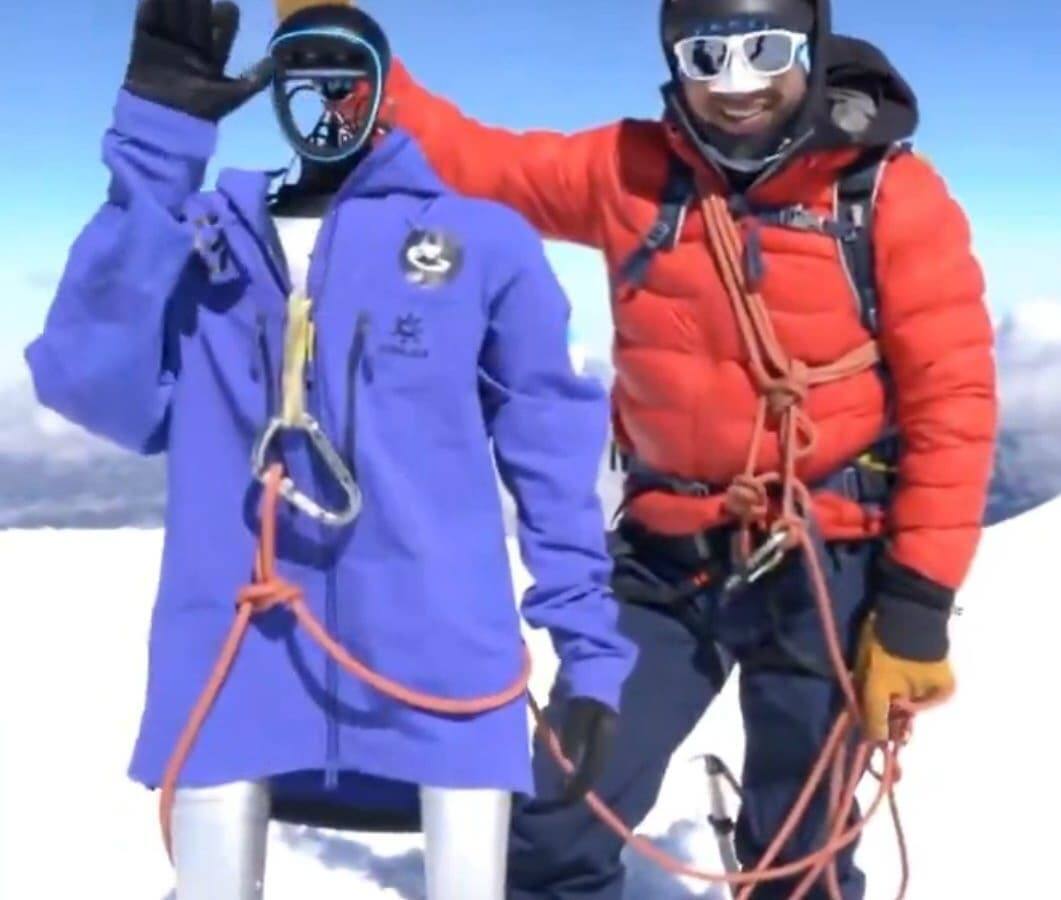
A humanoid robot named Pemba has reached the summit of Ecuador’s Chimborazo volcano, climbing to 6,200 meters during a 16-hour ascent that was part stunt, part serious field test. The Unitree G1-based machine made it through the easier stretches on its own, while humans carried it over the rougher sections – which is a pretty good reminder that ”robot summit” still has a human assist badge attached.
That does not make the exercise pointless. Far from it. Chimborazo gives robotics engineers the ugly, real-world conditions lab floors can’t fake: thin air, freezing temperatures, snow, unstable footing, and limited power. If a humanoid robot can keep its balance there, it tells you more about motion control and robustness than a polished demo ever will.
How Pemba handled the climb
The robot moved independently on sections with slopes of less than 30 degrees, where its gait and balance systems could be tested against uneven natural terrain. On steeper and more technical parts of the route, the expedition team took over and physically transported it. That split effort makes the achievement less cinematic, but more honest: current humanoids are getting better at walking, not yet at mountaineering.
Unitree’s G1 platform is being used here as a testbed for outdoor performance, not as a finished expedition machine. The point is to see how humanoid systems behave in places where a breakdown would be expensive, dangerous, or both. It is also a useful counterpoint to the usual robotics marketing, which tends to skip the awkward detail that reality still has gravity.
What high-altitude robotics could do next
The broader pitch is straightforward: robots like Pemba could one day inspect remote sites, gather environmental data, monitor protected areas, and work where conventional equipment struggles to go. Future versions may carry cameras, environmental sensors, satellite connectivity, and AI systems that let them operate with less human supervision.
There is, however, a small legal wrinkle before anyone starts planning robot Everest selfies. Organizers say Nepal does not yet have a legal framework for robotic mountaineering, so any follow-up would need specific approval. That regulatory gap may slow the next climb more than the weather does, and it is probably the more interesting test for these machines anyway.