

China’s top 5 cars in May were all battery-electric or plug-in hybrid, with no pure petrol model making the cut. The change came even as total new passenger-car sales in the country reached 1.51 million, showing how quickly buyers are moving toward electrified options when fuel costs bite and charging stops being a deal-breaker.
The headline number hides a split personality in the market. Pure petrol cars are still selling in meaningful volume, but their share is slipping fast in consumer rankings, while plug-in hybrids are increasingly acting as the bridge for buyers who want flexibility without giving up electric driving for daily use.
Tesla, Xiaomi and Geely lead China’s May car ranking
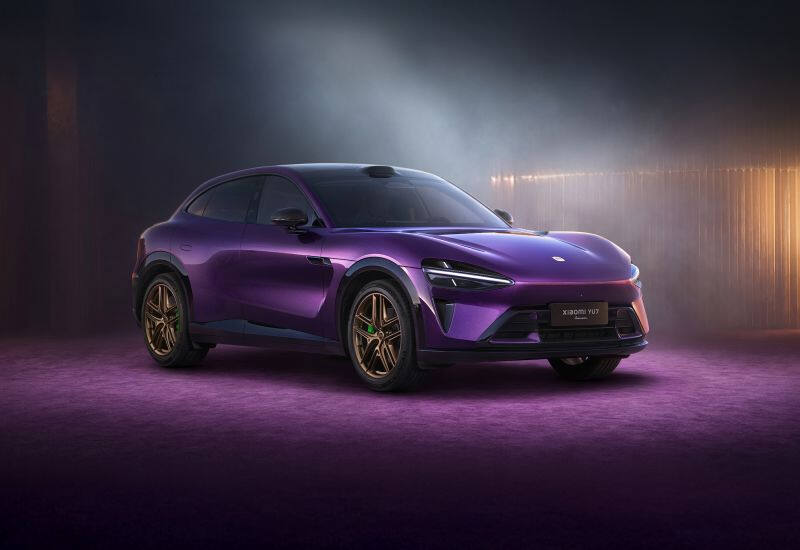
According to CPCA statistics cited by GizmoChina, Geely’s Star Wish took first place in May. Tesla’s Model Y came second, Xiaomi’s SU7 was third, and Li Auto’s all-electric i6 landed fifth. Tesla’s locally made Model 3 was seventh, a reminder that brand cachet still matters, but pricing and powertrain mix matter more.
One detail stands out: only BYD’s Sea Lion 6 among the top group is a plug-in hybrid. The rest are full EVs, which makes the result look less like a hybrid win and more like a genuine battery-electric surge. For a market that has long tolerated range anxiety better than most, that is a pretty sharp turn.
Petrol cars still sell, just not where shoppers look first
May sales of passenger cars in China fell 22.1% year on year, but rose 9% from April. Sales of models powered only by combustion engines dropped 82% in May, even though they still accounted for 37.1% of the market. Meanwhile, EVs and plug-in hybrids have now stayed above 60% of sales for three straight months, reaching 62.9% in May.
That doesn’t mean the old-school engine is dead. In the wholesale market, BYD Song led the pack, Tesla Model Y was second, and petrol models such as Chery Tiggo 7 and Geely Binyue still showed up outside the top tier. The smarter read is that manufacturers can still move combustion cars through channels – they just aren’t the first choice in the showroom anymore.
What China’s car market is signalling now
This is where China starts to look less like an EV experiment and more like the industry’s reference case. In markets where charging infrastructure, policy support, and industrial scale align, electrified cars can overtake pure petrol models faster than incumbents expect. The awkward bit for rivals is that the winning formula is no longer just ”electric”; it is electric, affordable, and normal enough to tempt mainstream buyers.
The next question is whether this top-five reshuffle becomes routine or stays a May anomaly. If fuel costs keep irritating buyers and Chinese brands keep improving EV pricing and software, the absence of pure petrol cars from the upper ranks may soon look less like a milestone and more like the new baseline.