

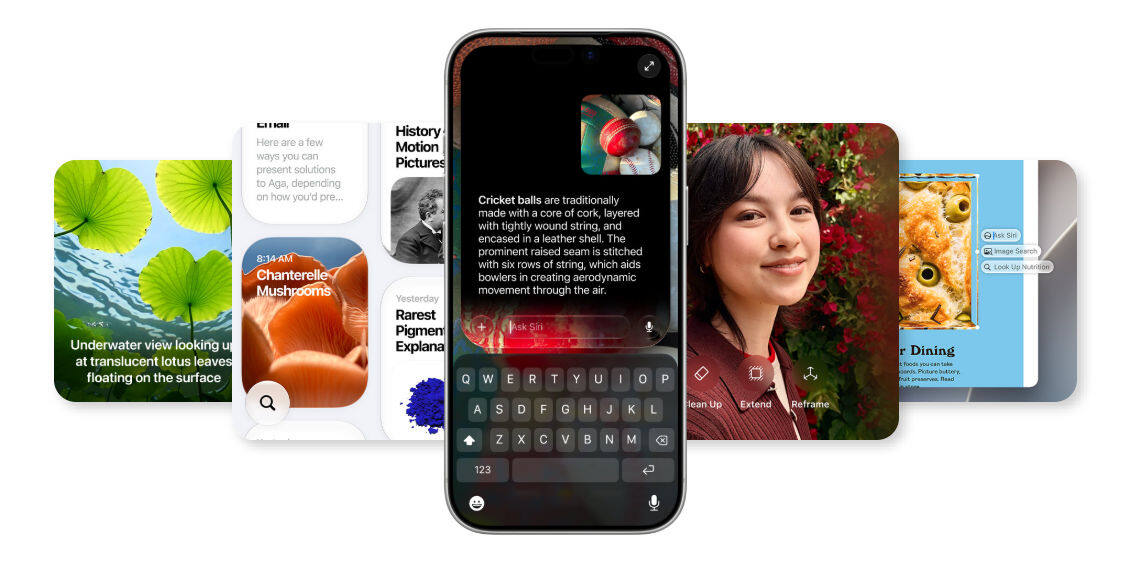
Apple finally put Siri AI on stage at WWDC 2026, and the demo was the kind of polished, confident performance that usually makes executives smile and competitors wince. Siri handled chained requests across apps, pulled together photos, messages, and mail, and even used context from an on-screen image to guide Maps. It looks like a real assistant at last. The catch is that Apple has a long history of making ”almost there” features look ready for primetime.
This version of Siri runs at the system level instead of inside a sandboxed window, which is a big part of why the demo felt more capable than the usual voice-assistant party trick. Apple says the new model is built on Google’s Gemini, giving it more muscle than the old Siri ever had. That puts Apple in the same broad race as Google and OpenAI, but with one important difference: Apple can wire the assistant directly into the operating system, where the useful stuff actually lives.
What Siri AI did on stage
The showcased tasks were deliberately practical. Siri could find weekend-trip photos, filter them by people, add them to a shared album, and send them to family without opening Photos. It also dug up contact details from old unsaved messages, checked Messages and Mail at the same time, and interpreted a photo on screen before navigating in Maps. In other words, it did what voice assistants have been promising for years: tie scattered personal data into one coherent action.
- Find photos from a weekend trip
- Filter by specific people
- Add them to a shared album
- Share them with family
- Pull contact info from old messages
- Use an on-screen photo as Maps context
Apple’s Siri AI skepticism has a long history
Apple’s problem is not lack of ambition. It is credibility. Siri launched in 2011 with a lot of hype and a lot less competence, Apple Maps arrived in 2012 with its own infamous debut, and Apple Intelligence was pitched as a reason to buy an iPhone 16 before Apple quietly backed away from some of the marketing after the features missed the mark. That history makes any shiny demo feel less like a promise and more like a stress test.
Still, this one is more convincing than Apple’s earlier AI showpieces. The combination of Gemini-backed horsepower and deep system integration is exactly the sort of setup a third-party app cannot match. The smarter bet, though, is that Apple will not be judged on stagecraft. It will be judged on whether Siri AI can survive the messy reality of real phones, real photos, and real people who do not care about keynote pacing.
The next test for Siri AI is boring, which is exactly the point
If Apple gets this right, Siri stops being a punchline and becomes an actual operating-system feature, which is far more valuable than a chatbot in a floating panel. If it gets the rollout wrong, the company will have simply taught everyone another lesson in demo discipline. The smart money is on Apple spending a lot of time polishing the handoff between apps before this reaches mainstream users, because that is where the magic either feels seamless or falls apart instantly.