

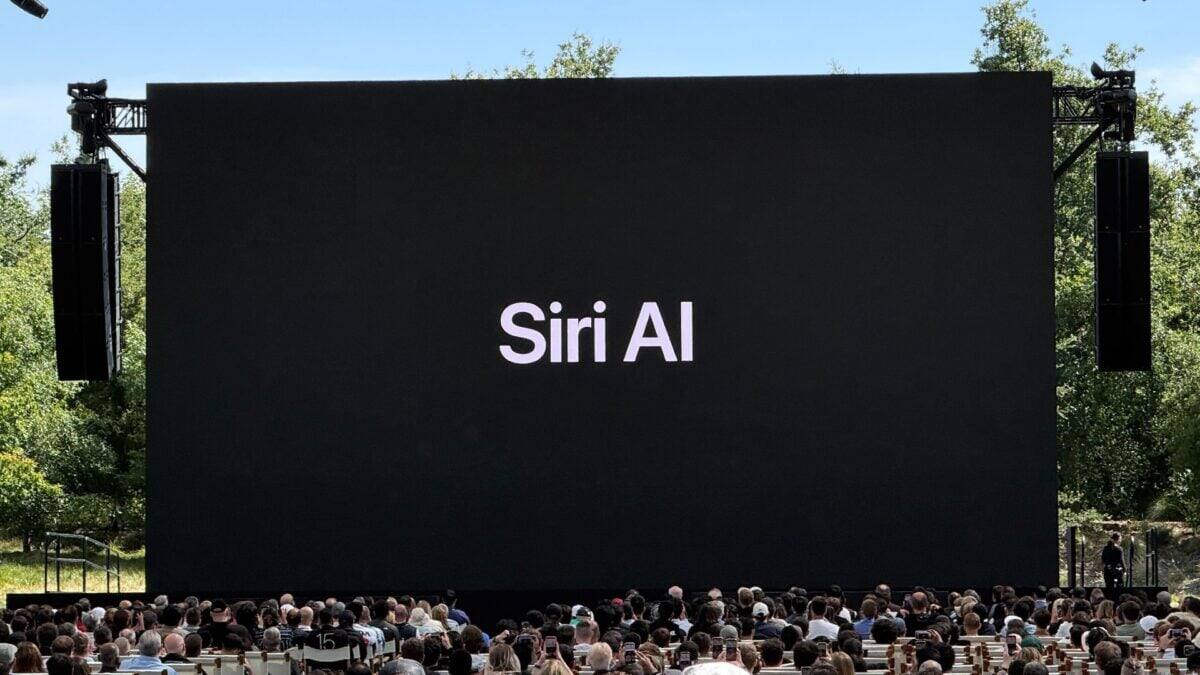
Apple is finally pushing Siri toward the assistant it promised back in 2024: more personal, more capable, and a lot more willing to do the boring parts of your digital life for you. At WWDC 2026, the company introduced Siri AI, a revamped version of its voice assistant that can act across apps, pull from your emails, calendar, and notes, and even handle tasks like composing messages. The catch is that part of the brains behind it comes from Google’s Gemini, a reminder that Apple’s AI rollout has been slower and messier than the company would like.
The upgrade leans hard into Apple’s favorite word these days: ”agentic.” In practice, that means Siri is supposed to take a topic or a few details and then finish the job across native and third-party apps. Apple also says the assistant can understand what is on your screen, which should make it better at acting on whatever you are doing without forcing you to explain the same thing twice. That visual awareness and personal context were both part of the original pitch, but they never arrived in the first wave of Apple Intelligence.
Siri AI gets deeper app control
This is the most useful version of Siri Apple has shown in a long time, at least on paper. Instead of just answering questions and setting timers, it is designed to move between apps and carry out tasks, which is the sort of feature set users have been asking for while competitors kept shipping more capable AI helpers. Google just unveiled Gemini Intelligence for Android, so Apple is trying to close a gap it helped create by announcing grand plans early and delivering them late.
- Works across native and third-party apps
- Can help with email composition
- Uses personal data on your device for more tailored actions
- Can read what is on your screen to inform responses
A new Siri app, Spotlight support, and visionOS access
Apple is also widening Siri’s reach instead of hiding the upgrade inside a settings menu no one visits. There is now a dedicated Siri app, and macOS Spotlight gets Siri support for questions, task completion, and comparisons. In visionOS, you can pin a Siri orb in digital space, which is the kind of spatial computing flourish Apple can do with a straight face even when the rest of the feature set looks like a catch-up exercise.
There are also new voices, plus controls to adjust Siri’s cadence and pacing if the default delivery grates on you. That is a smaller detail than the app action stuff, but it matters because Apple is clearly trying to make Siri feel less robotic at the same time it makes it more useful. The company has opened Siri AI to developers today, with a beta for users coming later this year.
Apple still has to prove the assistant works
The big question is not whether Apple can demo the feature set. It is whether Siri AI can show up reliably on actual devices and become the default way people get things done. Apple Intelligence has already trained users to be skeptical, and the company now has Google and Android breathing down its neck with more mature agent-style features. Siri’s comeback has been promised, delayed, and repackaged once already; now it needs to work in the wild.