

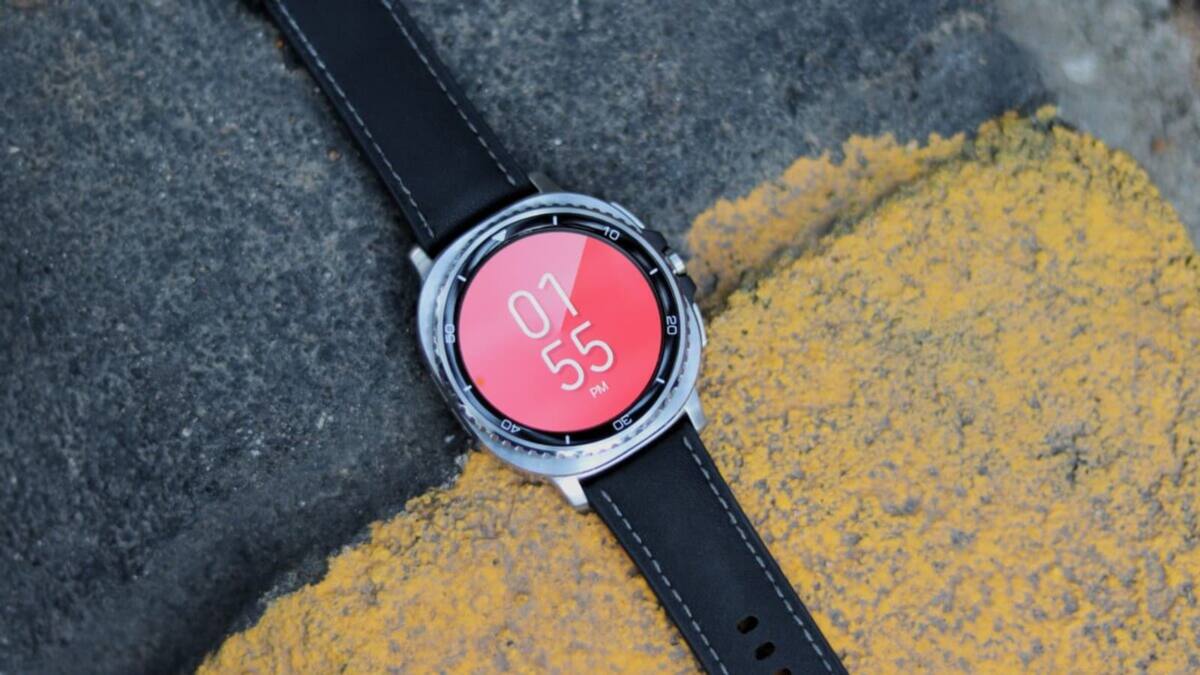
Samsung may be lining up a rare first for wearables: Galaxy Watch models with Micro LED screens. The company has reportedly moved the idea from lab talk to factory planning, and if the timetable holds, the payoff could arrive in future Galaxy Watch generations, starting with Galaxy Watch 10.
That would give Samsung a bragging right that has so far proved stubbornly out of reach for the wider industry. Micro LED promises brighter panels, stronger contrast, lower power use, and longer life than the OLED displays that dominate smartwatches today. The catch, as ever, is making the thing at scale without turning the production line into an expensive science project.
Samsung Display’s Micro LED line in Asan
According to ETNews, Samsung Display is building a new Micro LED panel line in Asan, with equipment installation expected to begin this year. The first stage is a test run to check both the manufacturing results and demand from customers, including Samsung’s own mobile division, which handles the Galaxy Watch line.
If the pilot goes well, mass production could begin in the second half of 2027. That timeline is slow enough to frustrate anyone hoping for an immediate upgrade, but fast enough to suggest Samsung is serious about shipping the technology instead of just showing it off at trade fairs.
Why Micro LED would matter on a smartwatch
Smartwatch screens have always lived under ugly constraints: tiny batteries, bright outdoor use, and users who want all-day health tracking without nightly charger rituals. Micro LED is attractive because it could improve display quality without the same energy trade-offs that come with pushing OLED harder.
- Higher brightness for outdoor visibility
- Better contrast than current OLED panels
- Lower power consumption for longer runtime
- Longer lifespan for the display itself
Apple looked at the same road and backed away
Samsung would not be walking into untouched territory here. Apple reportedly explored Micro LED for Apple Watch too, but ran into technical and manufacturing problems and eventually abandoned the effort. That history is the real clue: Micro LED is less a simple upgrade than a production test, and the companies that win will be the ones that can manufacture it without turning every unit into a luxury item.
If Samsung really does make the jump first, it could use Galaxy Watch as a showcase for a display technology that has spent years sounding more futuristic than practical. The bigger question is whether the company can get the costs and yields under control before the market decides that ”promising” is just another word for ”too expensive.”