

SpaceX is no longer pitching Starlink Mobile as a backup plan for hikers, campers, and unlucky people outside coverage maps. In documents prepared for a possible IPO, the company says its direct-to-smartphone service should eventually compete with terrestrial mobile networks on quality, including in cities. That is a much bigger claim than ”messages when nothing else works,” and it puts Starlink on a collision course with the very operators it has been quietly piggybacking on.
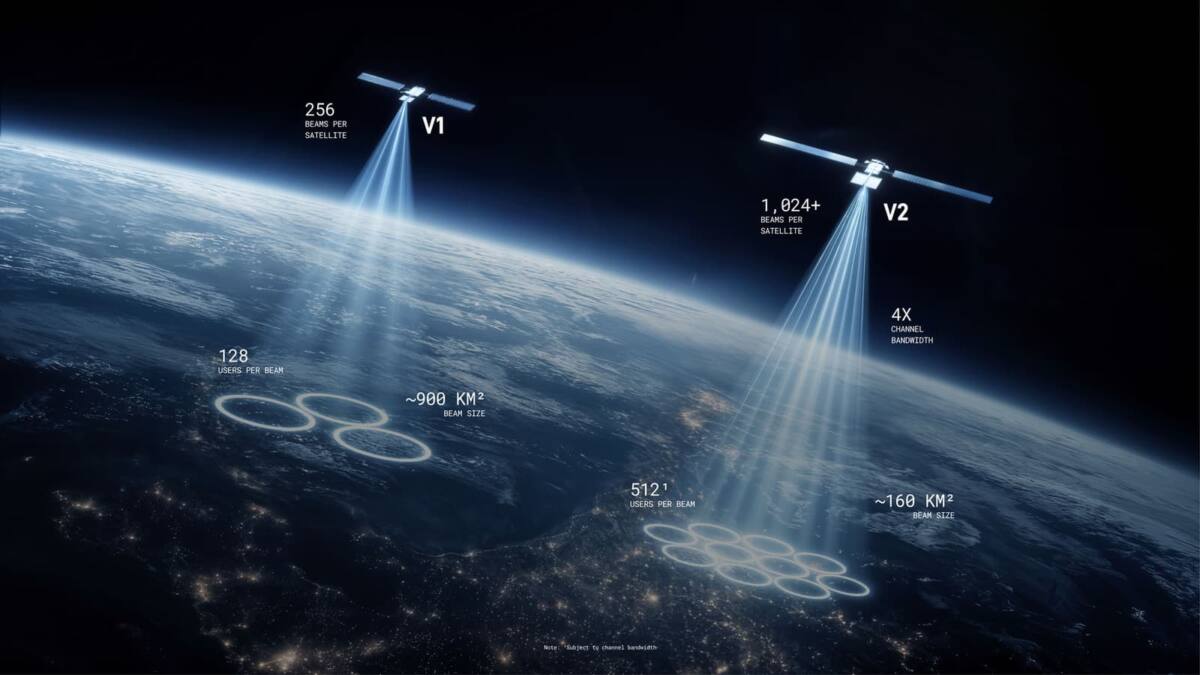
Today the service is still limited. It is mainly used for messaging and basic connectivity in areas without normal carrier coverage, but SpaceX says expanding its satellite fleet and improving its hardware will make the experience closer to ordinary mobile internet. The company is also pushing for more spectrum, including frequencies tied to EchoStar, which should help with speed and stability if the regulatory and technical pieces fall into place.
Starlink Mobile’s direct-to-smartphone pitch
The core idea is simple: connect a regular smartphone directly to satellites, without special equipment. That direct-to-smartphone model is already one of the most ambitious bets in telecom, and SpaceX is framing it as something that could work not only in remote regions but also in suburbs and cities. If that sounds like a stretch, remember that satellite connectivity used to mean bulky hardware and very patient people. The bar has moved.
SpaceX says that as the constellation grows, Starlink Mobile should become good enough that customers choose it regardless of location. That is the sort of language operators use when they want investors to imagine scale, not niche utility.
T-Mobile treats Starlink Mobile as an add-on, not a replacement
The contrast with traditional carriers is sharp. Even T-Mobile, SpaceX’s partner, still treats satellite service as a premium extra rather than a mainstream network substitute. Srini Gopalan said in May that satellite traffic made up just 0.0002% of total network volume and was mostly coming from national parks.
At the moment, Starlink connectivity is bundled into some pricey plans or sold separately for $10 a month, including to customers of rival carriers. That makes sense as an upsell. It is less convincing as a mass-market revolution.
The US carriers are circling the same idea
The bigger competitive twist is that T-Mobile, AT&T, and Verizon are all discussing joint work on satellite-to-phone services. SpaceX is already shooting that down in public, warning that tight coordination among the biggest players could raise antitrust problems. Hard to blame them for being nervous: if carriers can standardize the experience, they can slow down the outsider that wants to become the new default.
- Current strength: messaging and basic coverage where mobile networks are weak or absent
- Current limit: not yet a true rival to everyday cellular data use
- SpaceX ambition: compete on quality with terrestrial mobile networks in rural, suburban, and urban areas
- Carrier reality: satellite access is still mostly packaged as a premium feature
The likely next fight is not whether satellites can help phones at the edge of coverage. That part is already here. The fight is whether SpaceX can make the service good, cheap, and ubiquitous enough to stop looking like a clever add-on and start looking like a normal way to connect.