

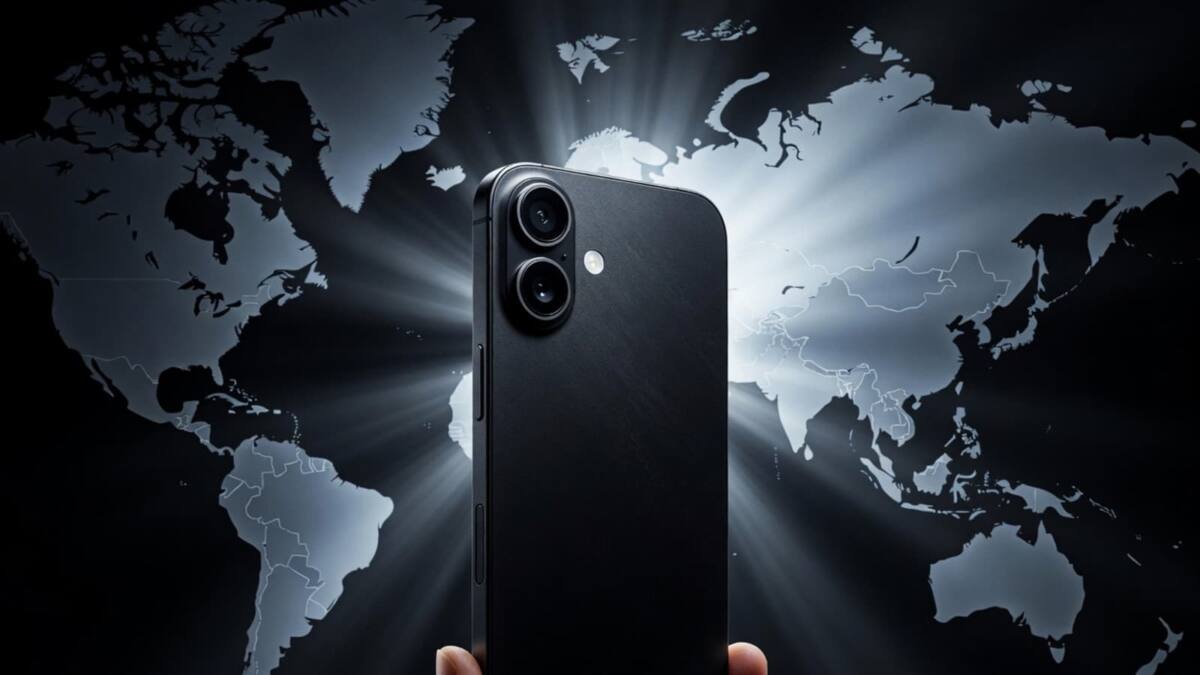
Apple opened 2026 with a clean sweep at the top of the global smartphone charts: the iPhone 17 was the best-selling handset in the first quarter, while the iPhone 17 Pro Max and iPhone 17 Pro followed close behind. Counterpoint Research says the top 10 smartphone models accounted for 25% of worldwide shipments in the quarter, the highest share it has recorded so far. Samsung still managed five spots in the ranking, Xiaomi kept the Redmi A5 in the mix, and the Galaxy S26 Ultra failed to crack the top 10 despite early demand.
The big story in smartphone sales is not just that Apple won. It is that the standard iPhone 17 is now strong enough to pull buyers away from older Pro models, which has been one of the company’s quietest but smartest product moves in years. In a market where premium upgrades have been getting harder to justify, the base iPhone now looks less like the ”cheap” option and more like the sensible one.
iPhone 17 gets closer to Pro territory
Counterpoint’s explanation is straightforward: Apple narrowed the gap between the regular and Pro models. The iPhone 17 now comes with 256 GB of storage, a 48-megapixel main camera, and a 120Hz ProMotion display, which is a strong list for a non-Pro device. That kind of spec compression matters because it makes the upgrade decision easier for mainstream buyers and less painful for anyone tired of paying Pro money just to get a smoother screen.
Apple also appears to have benefited from broad demand across major markets. Counterpoint said the iPhone 17 posted double-digit year-on-year sales growth in China, the US, and South Korea, which suggests the model is not just riding one regional spike. That is a nice reminder that ”good enough” hardware, when paired with a familiar brand and a tighter gap to the premium tier, can still dominate the global charts.
Samsung wins volume, not the headline
Samsung’s result is more mixed. Five of the top 10 phones came from the company, and its Galaxy A lineup did the heavy lifting, especially the Galaxy A07 4G. That makes sense in regions such as Latin America, Africa, and the Middle East, where low-cost phones still drive the bulk of unit sales.
The Galaxy S26 Ultra, meanwhile, was said to be selling well at launch but still missed the top 10. That is the sort of detail Samsung would rather not have framed as a footnote. Premium flagships get the headlines, but volume still comes from the affordable stuff, and this ranking says that out loud.
Xiaomi keeps one foot in the rankings
Xiaomi also held onto a place in the global top 10 with the Redmi A5, which is exactly the kind of device that keeps the company relevant in volume-driven markets. The broader picture is familiar: Apple rules the premium end, Samsung owns more of the value segment than the flagship buzz suggests, and the biggest fight for share still happens below the ultra-premium shelf.
If the first quarter is any guide, the next sales leaderboard may look less like a contest between headline flagships and more like a test of which brands can make low-end and midrange phones feel good enough to delay an upgrade. That is a much less glamorous race, but it is the one shipping the most units.