

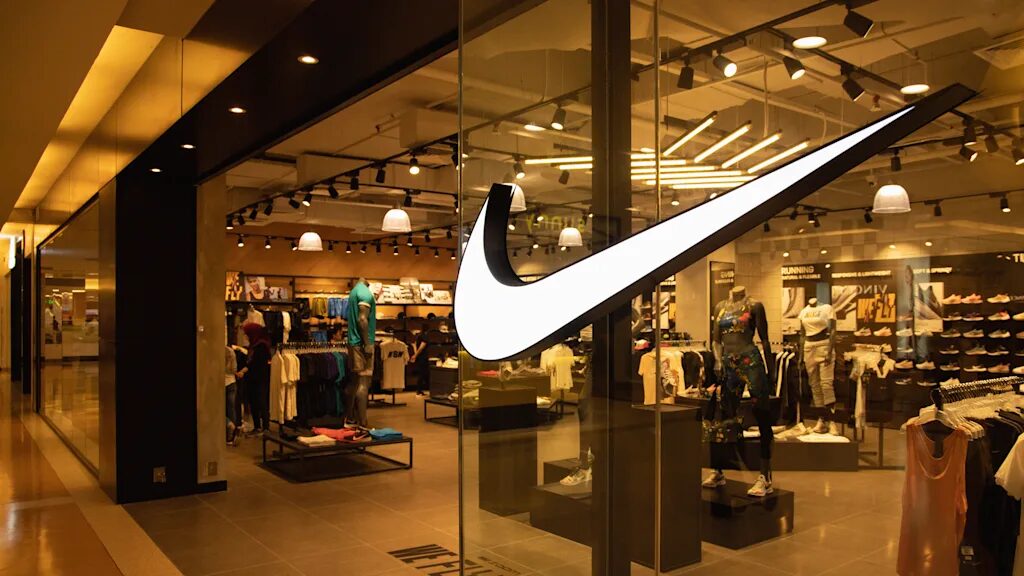
Nike stock slid to an average price of $42 on Wednesday, briefly touching $41.70 around 9:44 a.m. – a level the company has not seen in 12 years. The drop is the latest sign that Elliott Hill’s turnaround is going to take longer, cost more patience, and probably involve a lot less corporate optimism than investors were sold in March.
The company says it is ”moving with urgency,” which is the sort of phrase executives reach for when the numbers are doing something ugly. Nike’s share price has been drifting down for months, and the pressure intensified after April’s fiscal fourth-quarter results, when a forecast for a 2 to 4 percent sales decline sent the stock down over 15 percent. In other words: this is not a one-day wobble; it is a running bruise.
Nike stock turnaround is still in the costly middle
Hill returned in late 2024 with a simple promise: fix the business by refocusing on brands, products, and markets that can actually move revenue. On the March earnings call, he described the work as rebuilding ”brand by brand, sport by sport, country by country, partner by partner,” a line that sounds measured until you remember it also means the company is still unwinding years of drift.
Nike says the current phase builds on ”Win Now,” the diagnostic and stabilization effort announced in late 2024, and feeds into ”Sport Offense,” which was announced last October. That is classic corporate sequencing: name the cleanup, name the rebuild, hope Wall Street stops asking for a miracle before the next quarter.
Converse stays in the frame for now
Analysts have been zeroing in on Converse, where the slump has been especially painful. BNP Paribas Equity Research senior analyst Laurent Vasilescu floated the possibility of a sale, arguing that a divestiture would fit Nike’s long history of shedding acquired brands such as Cole Haan, Umbro, Starter, Bauer, and Hurley. It was a neat thesis – and one Nike wasted no time dismissing.
Hill said Converse will remain part of the Nike family, even as revenue there has fallen 35 percent. That decision keeps the brand in the portfolio, but it also keeps the pressure on Nike to prove it can repair a weak asset without taking the easy exit.
What investors will watch next
- Whether Nike can stop the sales decline after forecasting a 2 to 4 percent drop.
- Whether the company’s ”Sport Offense” push produces cleaner execution, not just better slogans.
- Whether Converse stabilizes enough to stop showing up in every bearish analyst note.
The bigger question is whether Nike can turn urgency into results before the market decides the reset is just another round of expensive housekeeping. For now, the answer looks uncomfortable: the foundation may be getting stronger, but the stock is still acting like it doesn’t buy the pitch.