

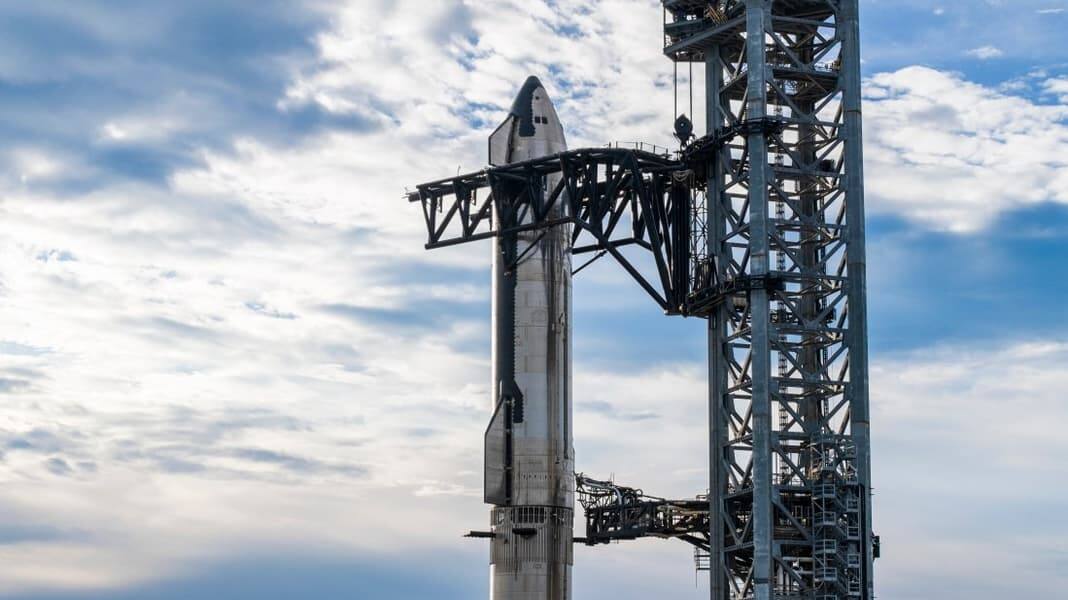
Google is reportedly talking with SpaceX about orbiting data centers for AI, a pitch that sounds like sci-fi until you look at how fast AI is consuming power, money, and patience on the ground. According to The Wall Street Journal, the companies are exploring orbital compute for artificial intelligence, with early satellite prototypes potentially arriving as soon as 2027.
The logic is blunt: AI needs more compute, and terrestrial data centers keep running into the same brick walls – energy limits, local opposition, and the sheer cost of building ever larger facilities. Orbital infrastructure would not magically erase those problems, but it does open a very different set of trade-offs, which is exactly why both Google and SpaceX are circling the idea instead of dismissing it.
SpaceX is said to view orbital data centers as a future low-cost option for AI infrastructure, which is a bold claim given that rockets are still not known for being budget-friendly. The company is also preparing for an IPO with an estimated valuation of about $1.75 trillion, and the idea of space-based compute may help sell investors on a longer-term platform story rather than just launch vehicles.
Project Suncatcher and the 2027 target
Google is not stopping at one space company, either. The report says it is also in talks with other space firms, while separately planning to send prototype satellites into orbit in 2027 under Project Suncatcher, the initiative first mentioned at the end of last year.
That timeline matters because the space-compute idea is moving from concept art to something that at least deserves a prototype. Amazon-backed Kuiper is still focused on broadband, not data centers, and Microsoft has leaned heavily into ground-based cloud expansion, which makes Google’s orbital flirtation look like a more unusual bet on where the next capacity crunch might be solved.
The case for orbit, and the catch
Supporters of the idea argue that space-based data centers avoid local zoning fights and power-grid objections, two headaches that have become familiar in the U.S. as AI infrastructure spreads. Elon Musk has also previously argued that orbital systems could undercut traditional data centers on cost, although that line looks much more persuasive in a presentation than in a launch manifest.
The catch is simple: today’s ground-based data centers are still much cheaper once you account for building satellites and getting them into orbit. Google and SpaceX have not commented on the report, and for now the whole project sits in that classic phase where the physics is interesting, the economics are awkward, and the spreadsheet is doing most of the arguing.
What happens if the prototype works
If Google does launch a prototype by 2027, the real test will not be whether orbit is possible. It will be whether the cost curve starts bending fast enough to make space compute look less like a stunt and more like a niche solution for AI workloads that are too power-hungry to keep adding on Earth.