

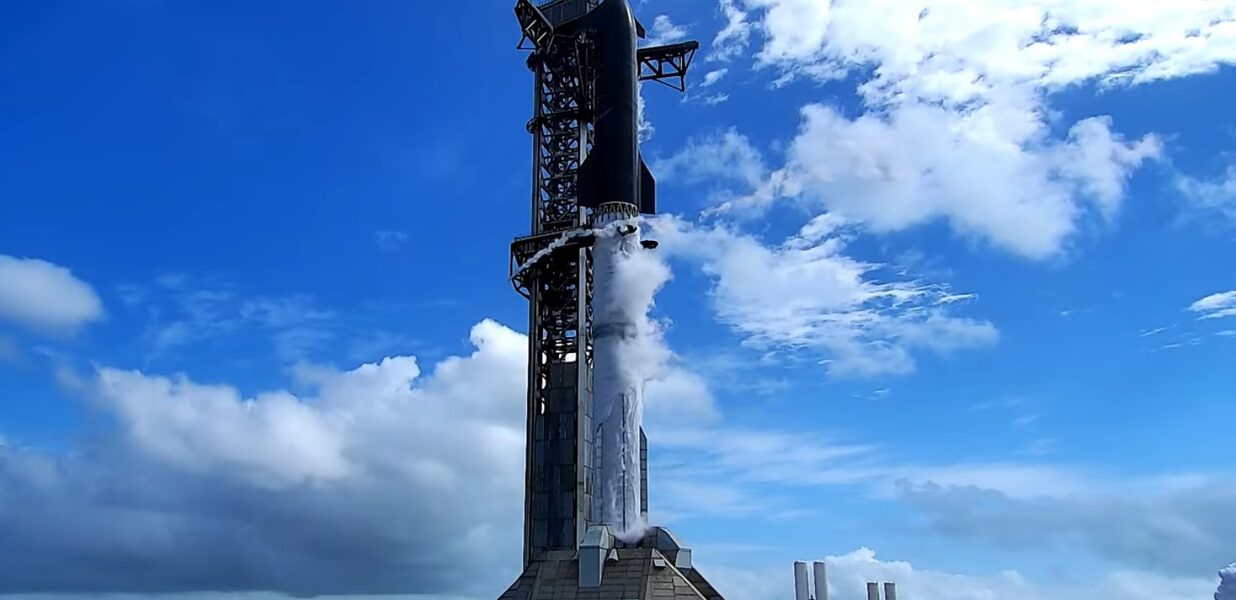
SpaceX has cleared a key hurdle for Starship Flight 12, pulling off a full wet dress rehearsal at Pad 2 in Starbase after an earlier attempt was cut short. The company loaded Booster 19 and Ship 39, ran the countdown to T-0 without lighting the engines, then began draining the propellant – a tidy rehearsal for a rocket that still likes to keep everyone busy.
The Starship wet dress rehearsal matters because it is the last full-scale check before launch: fuel the vehicle, simulate the countdown, stress the ground systems, and see whether the whole stack behaves like a launch vehicle instead of an expensive fireworks sculpture. SpaceX also appears to have made quick work of the fueling sequence, with the full load reportedly taking about 30 minutes.
Booster 19 and Ship 39 reach T-0
This was the second attempt. On 10 May, the test was stopped before the tanks were fully loaded, which is exactly the sort of thing that turns schedules into suggestions. After that failure, SpaceX removed and replaced a component on Pad 2, then came back and pushed the stack all the way through the simulated launch sequence.
- Vehicle: Booster 19 and Ship 39
- Test type: wet dress rehearsal for Starship Flight 12
- Result: full fueling, full countdown, no engine ignition
- Launch window: no earlier than 15 May
Starbase gets a cleaner rehearsal this time
SpaceX opened the roads around Starbase again after the check wrapped up, which is usually the quiet little sign that the company got what it wanted. The timing is also interesting: the dress rehearsal came soon after SpaceX said it had successfully carried out a 33-engine Super Heavy static fire, a reminder that the hardware is moving through the usual grind of preflight validation rather than waiting for one dramatic all-or-nothing moment.
What Flight 12 now has to prove
If SpaceX launches on or after 15 May, the next question is whether the full stack can turn rehearsal discipline into actual flight performance. The company has already shown it can fix a pad issue quickly and run the fueling sequence efficiently; the harder part is making those gains hold once the engines are live.