

Linux gaming just took a major step forward by integrating Windows-style synchronization mechanisms directly into its kernel-no longer relying solely on Proton’s compatibility layer. The new NTSYNC driver, native to Linux, implements Windows NT synchronization primitives and ships enabled by default on Steam Deck. For gamers, this means fewer freezes, less stutter, and smoother frame rates in titles where Wine previously stumbled over workarounds.
This shift is more than just a new driver. For two decades, Linux gaming depended on layers of compatibility hacks to run Windows games. Now, these hacks are moving into the kernel itself, becoming a standard part of the system. As Linux crossed 5% Steam user share in March 2026, Valve found a practical reason to improve not only Proton but also the underlying system foundation.
NTSYNC adds native Windows sync primitives to Linux gaming
NTSYNC fills a longstanding gap in how Linux handles thread coordination compared to Windows. Modern games juggle rendering, physics, audio, AI, input, and data loading across multiple CPU cores simultaneously. Windows relies on native synchronization primitives like events, mutexes, and semaphores to prevent these processes from interfering with each other. Wine simulated these with esync and fsync for years-functional but not always precise.
Now with NTSYNC, Linux handles these synchronization calls natively, removing the need for clunky emulation. Games running through Proton no longer need to adapt around Linux’s quirks. This simplifies code paths, reduces rare but frustrating bugs, and leads to a more stable gaming experience.
This isn’t Linux’s first move to catch up with Windows’ threading model. Back in 2022, the futex_waitv system call was added to the Linux kernel, providing multi-event wait capabilities that improved fsync support. The gaming ecosystem largely relies on Windows’ synchronization model; rewriting games and applications entirely for Linux’s POSIX model hasn’t been practical.
FPS boost from NTSYNC in Proton gaming
Reports of NTSYNC boosting frame rates by 40% to 200% have made the rounds, but these numbers often compare NTSYNC to vanilla Wine rather than the Proton version Linux gamers actually use. Real-world tests against Proton’s existing fsync support show smoother frame pacing, fewer micro-stutters, and elimination of some freezes in demanding titles rather than huge FPS jumps.

NTSYNC’s biggest performance gains show up in three areas:
- Games limited by thread synchronization rather than GPU power
- Titles plagued by rare freezes, deadlocks, or erratic behavior under Wine
- Devices like the Steam Deck, where CPU resources are tight and avoiding synchronization overhead is crucial
These improvements are more noticeable on handhelds. On a desktop Ryzen 7 CPU, extra synchronization overhead is usually offset by raw power. But on the Steam Deck’s APU, which has limited CPU headroom, inefficient thread management immediately impacts performance.


Valve integrates Windows internals to improve Linux kernel
The reason is straightforward: integrating Windows synchronization primitives directly into Linux is cheaper and easier to maintain. Valve, CodeWeavers, and NTSYNC’s author Elizabeth Figura have been working not for architectural elegance but to make Windows games behave predictably on Linux. Each compatibility layer adds quirks and exceptions. Moving these mechanisms into the kernel reduces edge cases and allows fixes to benefit multiple SteamOS-based distributions immediately upon kernel updates, including Bazzite, CachyOS, and Fedora.
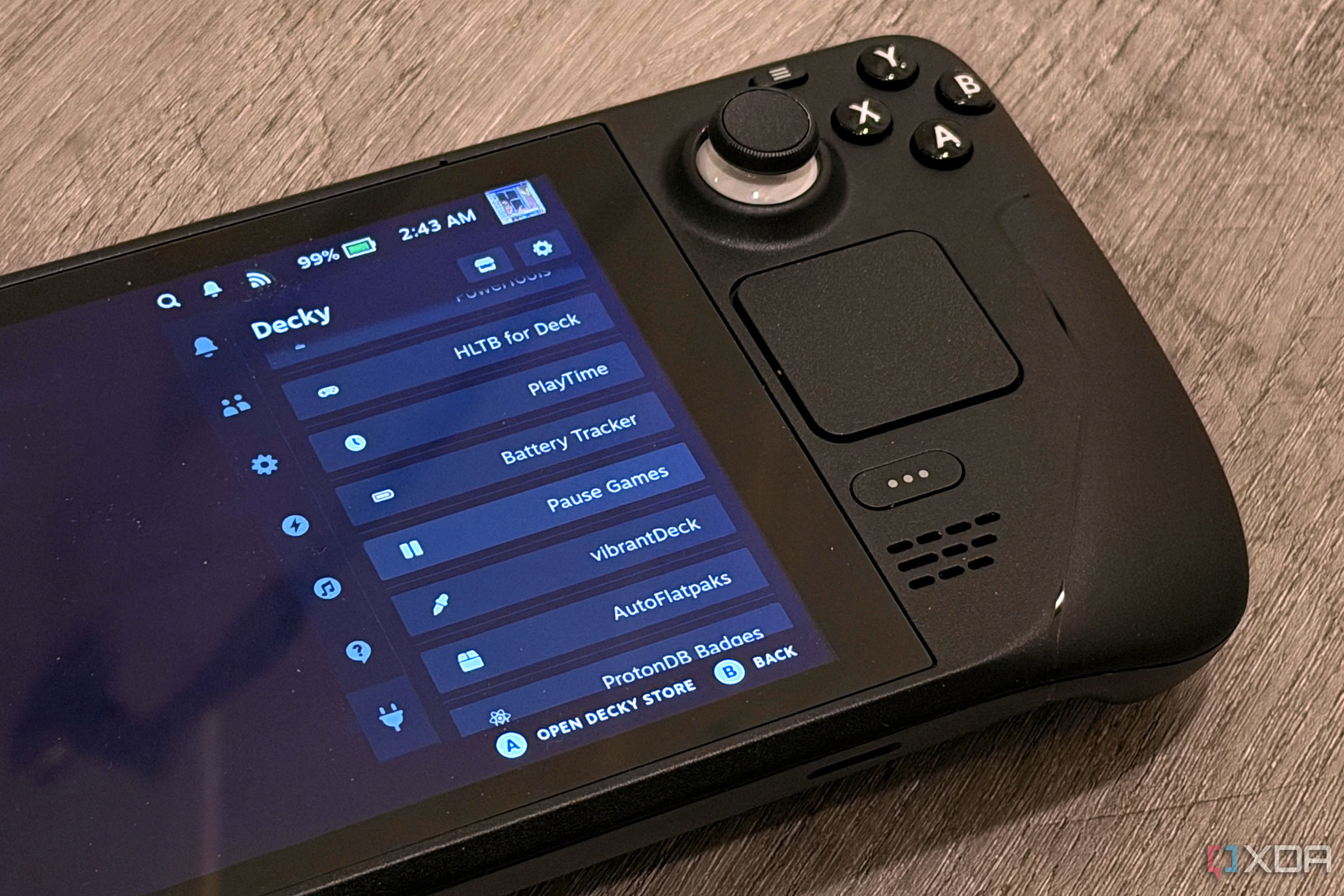
This development also breaks the stereotype of Linux as a playground only for enthusiasts willing to repair their systems instead of gaming. The Steam Deck, launched in 2022 on Arch Linux and SteamOS 3, turned Linux into a mainstream gaming OS by hiding complexity from users. The end of Windows 10 support gave this trend another push. Whereas Linux hovered around 1% of Steam users before, the Steam Deck and Windows migrations have grown Linux’s share to over 5%, making kernel-level support for compatibility drivers not just desirable but essential.
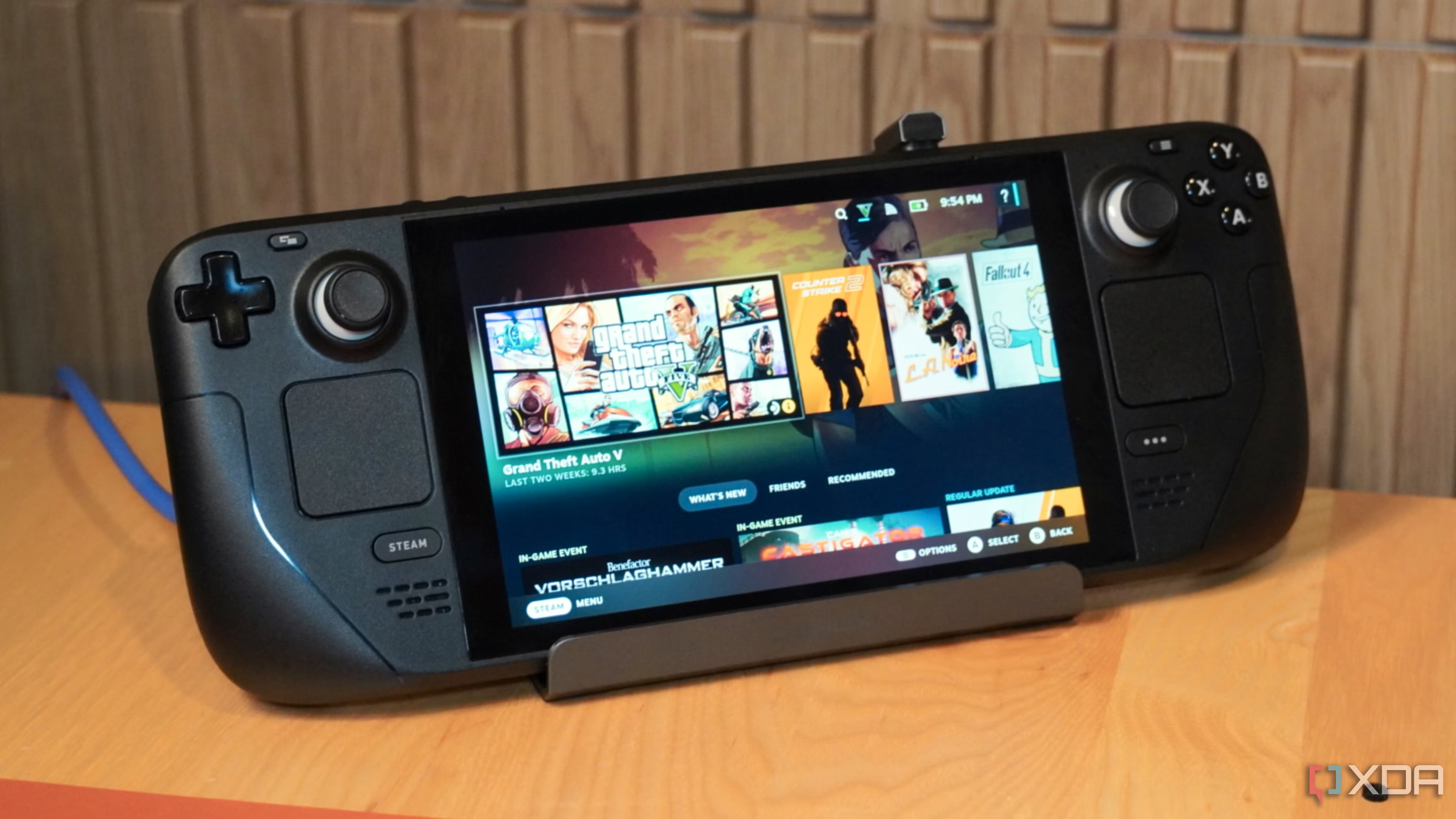
On Steam Decks, gamers don’t need to do anything-NTSYNC is enabled out of the box, smoothing out performance immediately.
This move marks a turning point: Linux is no longer just catching up to Windows through emulation layers but is incorporating essential Windows behavior directly into its kernel. Future Linux gaming performance will depend on how deeply these native Windows-inspired features can be integrated-and how quickly other games and applications embrace this new baseline.