


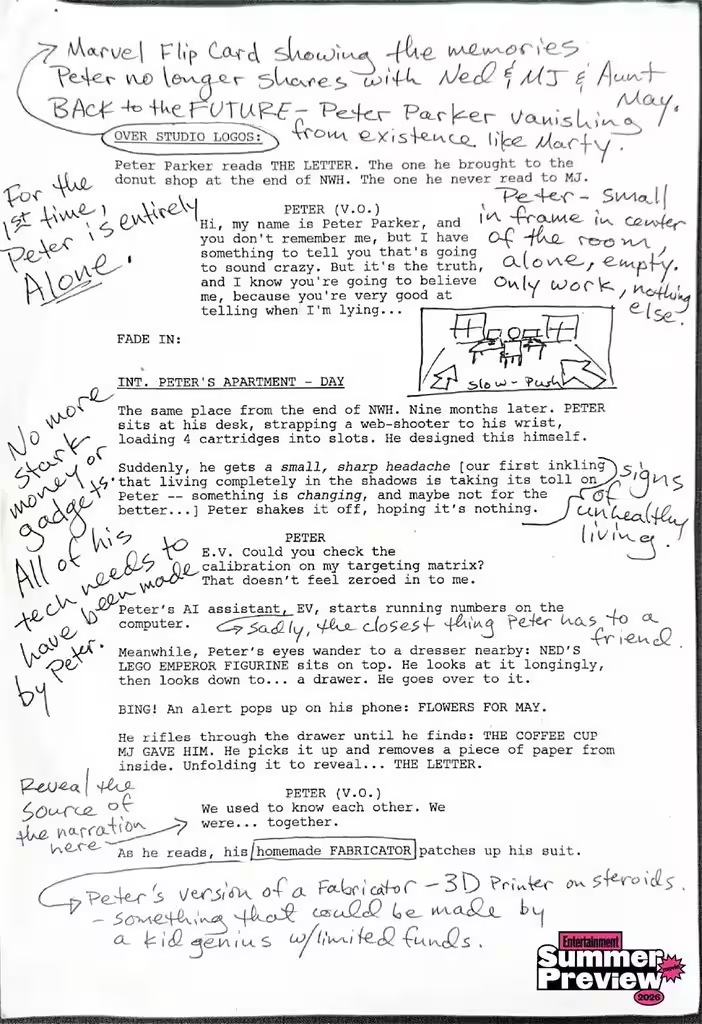
Marvel and Sony have turned the first pages of ”Spider-Man: Brand New Day” into a tiny, calculated tease: the movie opens nine months after ”Spider-Man: No Way Home”, with Peter Parker still in the same apartment, still cut off, and still carrying the kind of loneliness superhero franchises usually hide until act three.
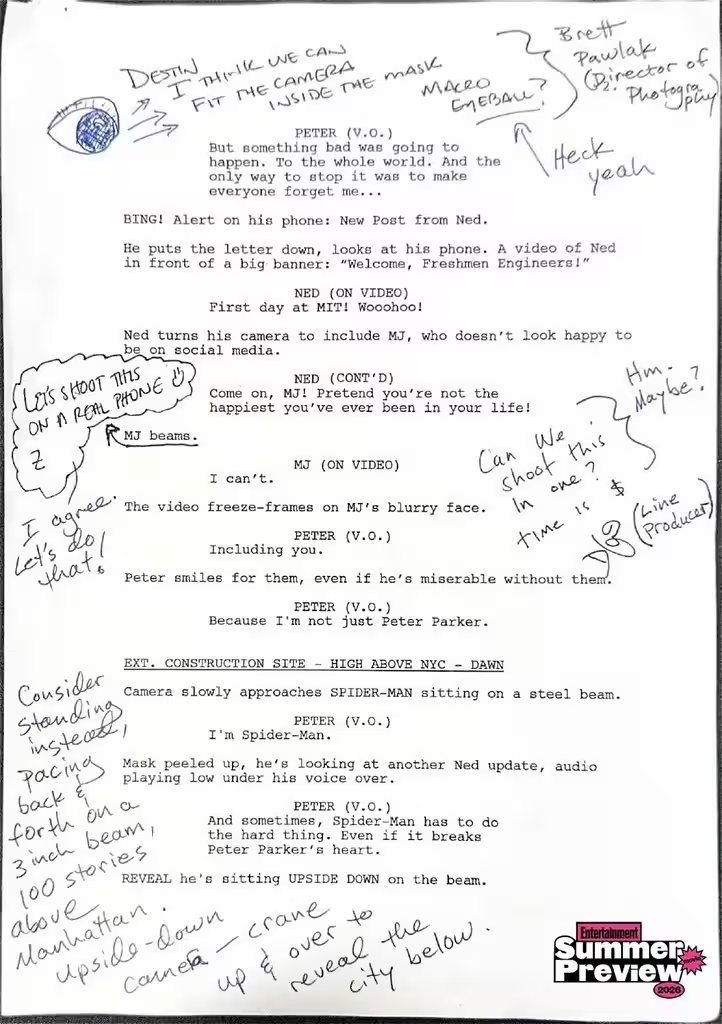
The pages also give Peter a few practical upgrades. He has a virtual assistant named IVY, a home-built fabricator that works like a souped-up 3D printer for repairing the suit and making gadgets, and a phone full of reminders about Ned, MJ, and flowers for May’s grave. In other words, ”Spider-Man: Brand New Day” seems to be starting with a Spider-Man who is surviving, not thriving.
Spider-Man: Brand New Day opens after No Way Home
The setup is smart because it refuses the usual reset-button nonsense. Peter is lonely, but not static: he is building tools, checking the lives of people he can no longer openly be part of, and trying to keep some version of routine alive. That gives the film a cleaner emotional engine than the average ”new era” reboot, where the hero wakes up, sighs, and starts punching things.
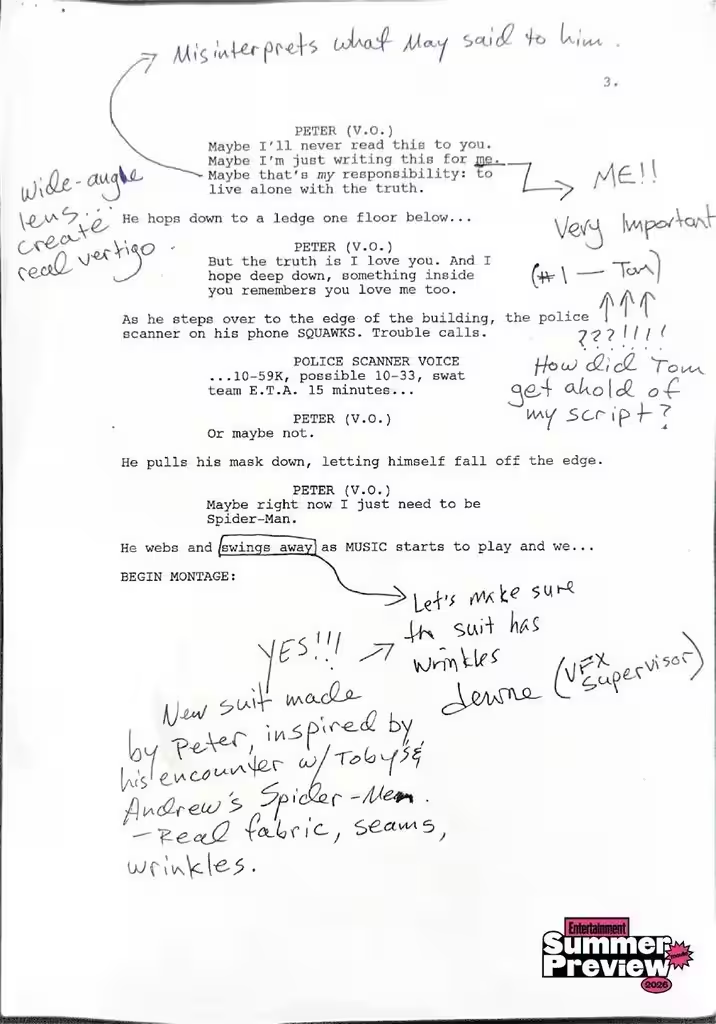
There is also a small but telling detail in the script notes: Peter’s new suit was inspired by the other Spider-Men he met in ”No Way Home”, with similar fabrics and patterns, and the effects team is being asked to preserve the folds. That suggests the movie wants the costume to feel handmade and tactile, not polished into dead-looking CGI sheen.
A suit built from memory, not a sponsor deal
- Timeline: nine months after ”Spider-Man: No Way Home”
- Peter’s tech: a fabricator for suit repairs, gadgets, and web-shooters
- Support system: a virtual assistant named IVY
- Emotional anchor: a reminder to visit May’s grave and a note for MJ
The broader pattern is easy to spot: Marvel has been leaning harder into consequences, while Sony has every incentive to make this Spider-Man feel distinct from the multiverse fireworks of the last film. A grounded opening gives both companies room to sell the character as clever, alone, and still useful – which is a much better pitch than ”here’s another citywide disaster, again.”
The first scene sets up the next problem
Once the phone pings with a crime alert, Peter suits up and jumps off a rooftop to save the day. That’s the old rhythm, and it still works: personal grief, then public duty, then chaos. The open question is how long the movie can keep that balance before it has to introduce the bigger threat hiding behind the title, because this opening clearly wants Peter Parker to feel human before it asks him to be spectacular.