

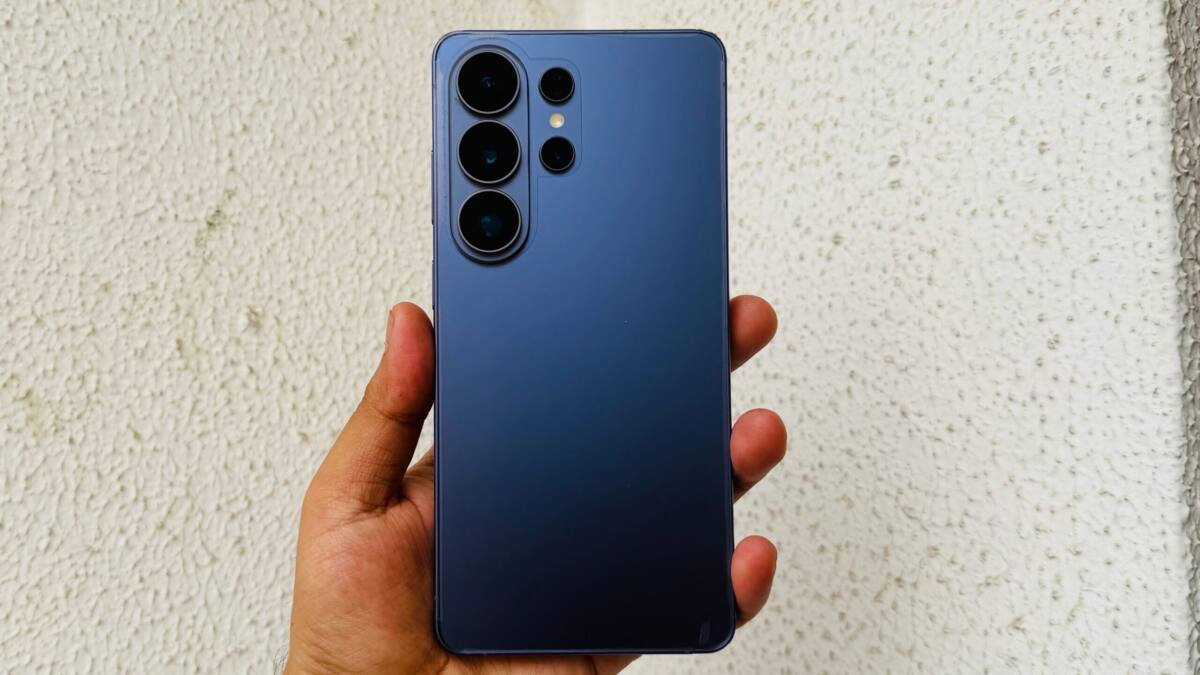
If you were planning to refresh your phone, laptop, console, or TV over the next cycle, Samsung just handed you a rude little memo: the memory crunch is not easing, and it could make a wide swath of gadgets more expensive through 2027. The company’s latest earnings point to demand for advanced chips running ahead of supply, which is great news if you make memory, less fun if you buy devices that depend on it.
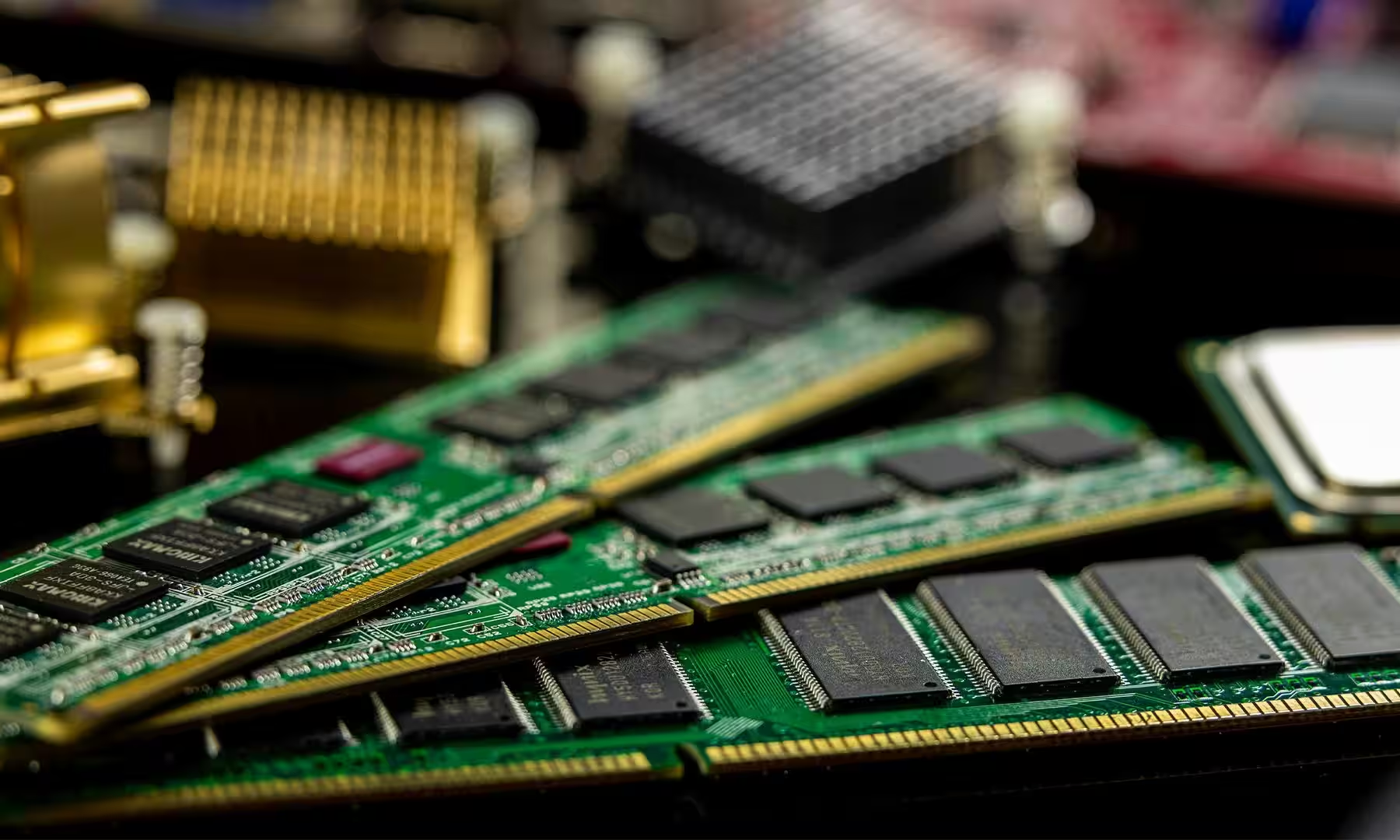
Samsung is benefiting from the same AI boom that is squeezing everyone else. Data center buyers are snapping up huge amounts of advanced memory, and that pressure is feeding straight into consumer tech pricing. In other words, the chip shortage is not staying politely inside the server rack.
Samsung’s chip squeeze hits phones, PCs, and consoles first
The early signs are already there. Smartphone makers are raising prices on new models while trimming memory and storage configurations, and PC buyers have been watching RAM climb as well. IDC has warned that sub-$100 Android phones may become permanently unviable because the economics are getting too tight, which is a grim sentence for the entry-level market and a very convenient one for vendors trying to sell pricier devices.
- Phones: higher launch prices and fewer memory options.
- Laptops and PCs: rising RAM costs and less room for discounts.
- Consoles: Microsoft has already warned memory pressure could raise the cost of its next Xbox hardware.
- TVs and smart devices: memory costs could add to existing price pressure.
Samsung is winning now, but not evenly
Samsung’s earnings show the classic semiconductor contradiction: the chip business is cashing in, while other divisions feel the sting. The company said its semiconductor strength helped drive a record quarter, yet mobile and network profit fell 35% in the first quarter, and display profit also declined. That split tells you where the leverage sits in the supply chain, and it is not with the people buying finished gadgets.
The bigger headache is that this is no longer just about premium phones with flashy cameras and AI tricks. Memory is baked into everything from cameras and routers to wearables and cars, so higher component costs can ripple outward faster than manufacturers would like to admit. That is why the next round of price hikes may be driven as much by chips as by the usual spec-sheet theater.
When relief might arrive
There is no clean exit ramp yet. Micron has warned the shortage may last longer, while Intel CEO Lip-Bu Tan has suggested relief may not arrive until 2028. That leaves buyers in a familiar place: waiting for supply to catch up while manufacturers quietly reprice the bill.
The awkward question is whether 2027 becomes the year upgrade cycles stretch out again. If memory stays expensive, brands will keep passing the pain along, and consumers will discover that the cost of ”just a little more storage” has become the sort of decision people suddenly pretend to think about very carefully.