

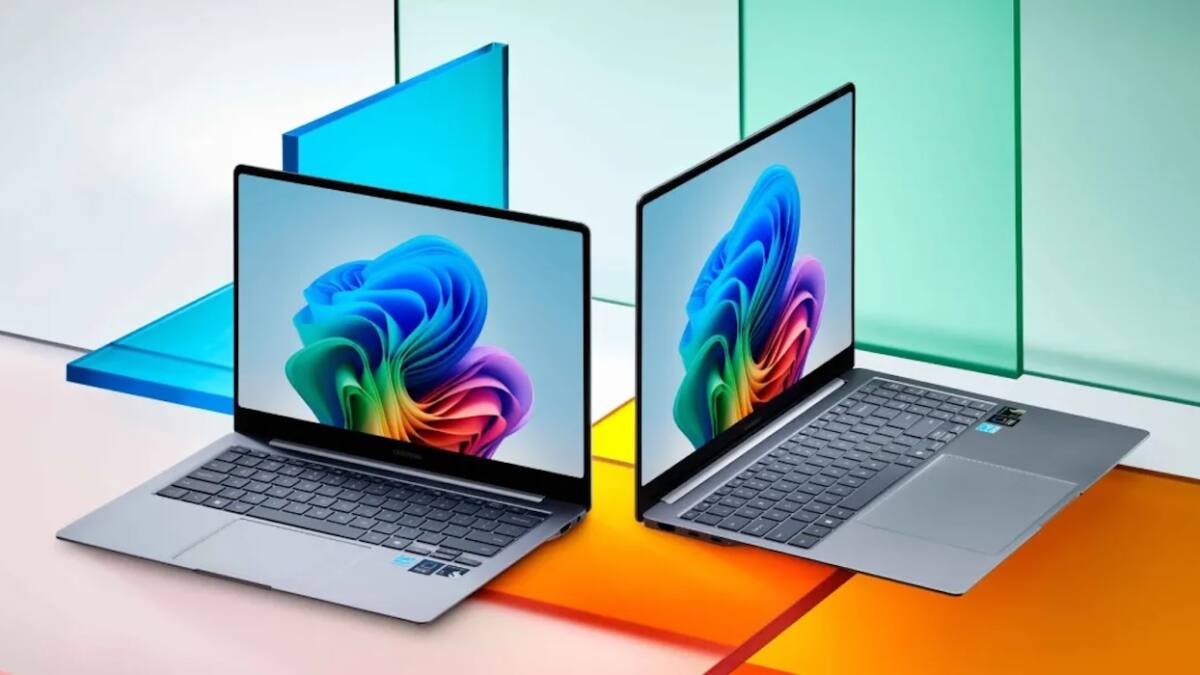
Samsung may be lining up a very Samsung-shaped answer to Google’s Android laptop push: new Galaxy Book models running Android 17 with One UI 9.0 on top. According to a report from SamMobile, the company is testing at least three versions – low-end, mid-range, and flagship – while also preparing Galaxy AI features and a more capable DeX experience.
The interesting bit is not just that Samsung wants in early. It is that Google may be willing to let OEMs put their own skin on top of this new laptop platform, which turns a supposedly unified Android desktop future into something closer to the phone world all over again. That gives Samsung a head start, but it also means the platform could arrive looking a lot less standard than Google would probably like.
Android 17 and One UI 9 on Galaxy Book laptops
Samsung’s reported plan would move the Galaxy Book family away from Windows on at least some models and into Google’s next big desktop experiment. The software stack is described as Android 17 with One UI 9.0, with ”Aluminium” OS said to be likely but not locked in.
- Operating system: Android 17
- Skin: One UI 9.0
- Model count: at least three
- Tiering: low-end, mid-range, flagship
That tier split matters because Samsung rarely enters a new category with one lonely premium device and a shrug. It usually wants a ladder of products, and that is a sign this is being treated as a platform play rather than a one-off experiment.
Samsung’s DeX and Galaxy AI angle
Samsung is also said to be building in Galaxy AI and an improved version of DeX. That combination makes sense: Android on a laptop needs more than a bigger screen and a keyboard if it wants to challenge ChromeOS, Windows, or even Apple’s tightly controlled tablet-to-desktop trickery.
Samsung already has the hardware muscle and the software habit of layering features on top of Google’s base system. If Google really does allow OEM skins here, Samsung is the obvious first mover – and also the obvious company most likely to make the experience feel polished instead of experimental.
What Samsung sells today
Right now, Samsung’s laptop lineup is still split between Windows machines in the Galaxy Book 6 series and a single Galaxy Chromebook priced at $775. That makes the reported Android pivot look less like a side project and more like a hedge against a crowded PC market that keeps rewarding brands with multiple operating system bets.
If this report is accurate, the next question is whether Samsung’s Android laptops will arrive as a curiosity or as the first serious retail proof that Google’s desktop ambitions are finally more than a demo. The answer will probably depend on whether developers, not just hardware makers, decide this is worth supporting.