

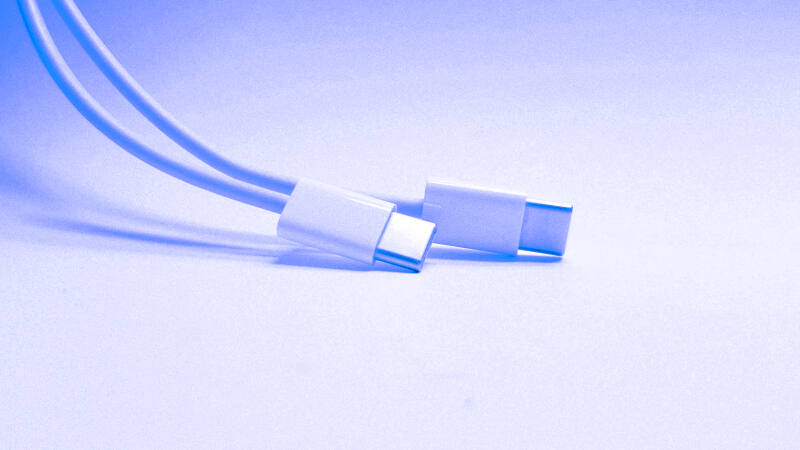
The European Union has pushed laptop charging into its next phase: from 29 April, every new laptop model sold in the bloc must support charging over USB Type-C. The one big carve-out is power-hungry gaming machines above 100 W, which can still ship with traditional power connectors. Brussels says the rule should save consumers 250 million euro a year, and it is also another quiet nudge toward fewer proprietary chargers gathering dust in drawers.
The timing is unsurprising. The EU already forced smartphones, tablets, and cameras onto USB-C from 2024, and that pressure helped push Apple off Lightning. Laptops were the obvious next target: they ship in huge volumes, churn through accessories, and are exactly the kind of device where one charger can serve multiple products without turning the bedside table into cable archaeology.
USB-C charging for laptops from 29 April
From 29 April, every new laptop model sold in the EU must support USB-C charging, with one exception: devices above 100 W, including some gaming laptops, can still use traditional power connectors. The rule is meant to make charging simpler across the bloc and cut down on duplicate chargers.
Why 100 W still matters
USB Type-C can technically carry up to 240 W, but the high-wattage cables needed for that are still uncommon. That is why the legislation settled on 100 W as the practical dividing line back in 2022, rather than pretending the market was ready for a perfect universal solution. For thinner laptops, the rule should be painless. For gaming rigs, the old barrel-style connector gets a stay of execution.
- Applies to all new laptop models sold in the EU from 29 April
- USB-C charging is mandatory for laptops up to 100 W
- Devices above 100 W, including some gaming laptops, are exempt
- EU estimates annual consumer savings of 250 million euro
The charger cleanup is moving up the stack
The bigger story is not the connector itself but the standardization effect. USB-C is tougher than older small ports, works across far more categories of hardware, and makes multi-device ownership less annoying. That is the kind of boring policy success regulators love: less e-waste, fewer duplicate bricks, and one less excuse for manufacturers to bundle another custom power supply nobody asked for.
The next test is whether laptop makers use the rule to simplify packaging and pricing, or merely keep the same bundle and call it progress. My bet: consumer electronics brands will embrace USB-C in the spec sheet fast, then spend the next few product cycles quietly differentiating on charger wattage, cable quality, and whether you still get the full power brick in the box.