At Watches & Wonders, restraint was clearly left at the door. The fair’s most eye-catching releases range from a peacock-shaped Audemars Piguet automaton to Rolex bringing back the Yacht-Master II after a two-year break, with Patek Philippe, Vacheron Constantin, and Bvlgari also leaning hard into spectacle, size limits, and mechanical one-upmanship.
If you are looking for the wildest watch premieres from Watches & Wonders 2026, this year’s standout pieces are all about drama, rarity, and technical flex. The big names are still here, but they are selling spectacle as much as tradition.
That mix says a lot about where haute horlogerie is right now: collectors still want classic names and familiar silhouettes, but brands are increasingly selling drama, rarity, and technical flex in the same package. The smart move is obvious. If you are going to charge luxury money, you may as well give people something to stare at.
Patek Philippe turns anniversaries into pocket watches
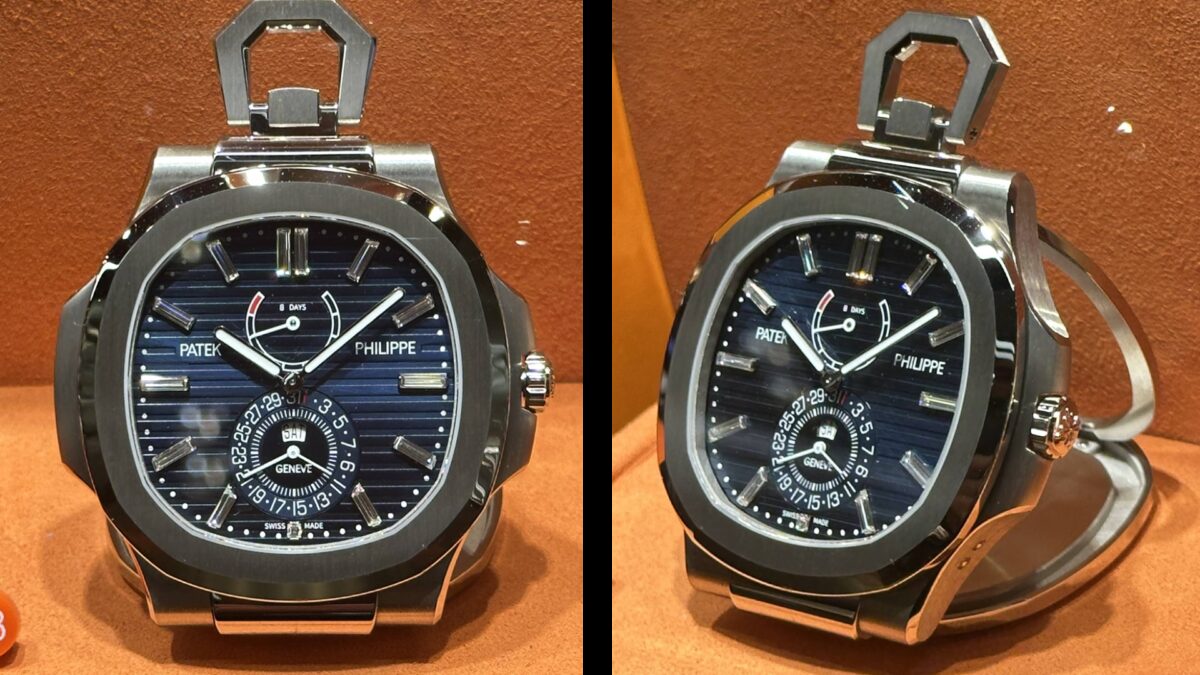
Patek Philippe used the 50th anniversary of Nautilus to do something the market has been waiting for: its first Nautilus pocket watch. The white-gold 958G-001 carries the collection’s signature look, adds day, date, and power reserve, and runs for 8 days before needing attention. It is also limited to 100 pieces and can transform into a desk watch, because apparently one wrist is no longer enough.
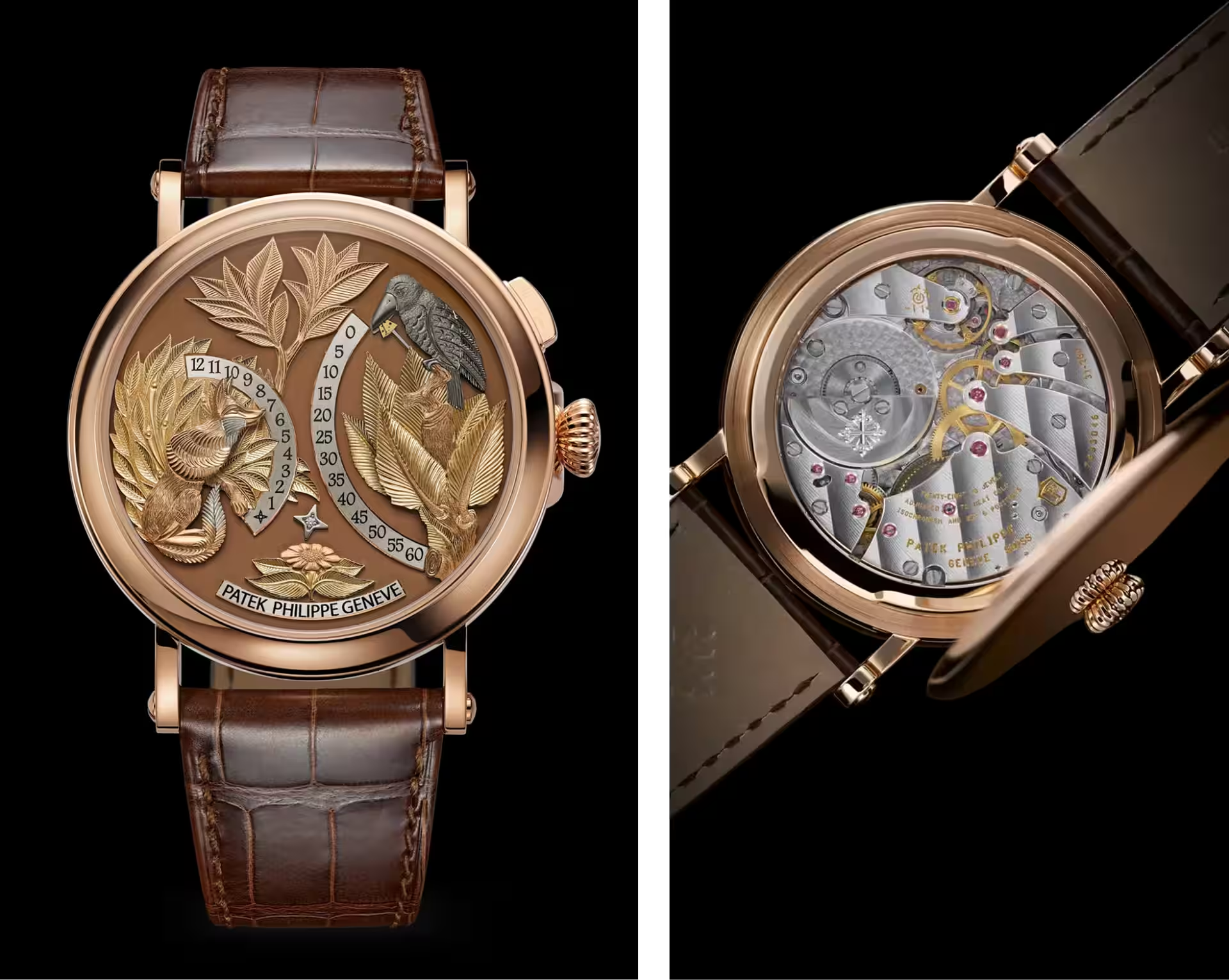
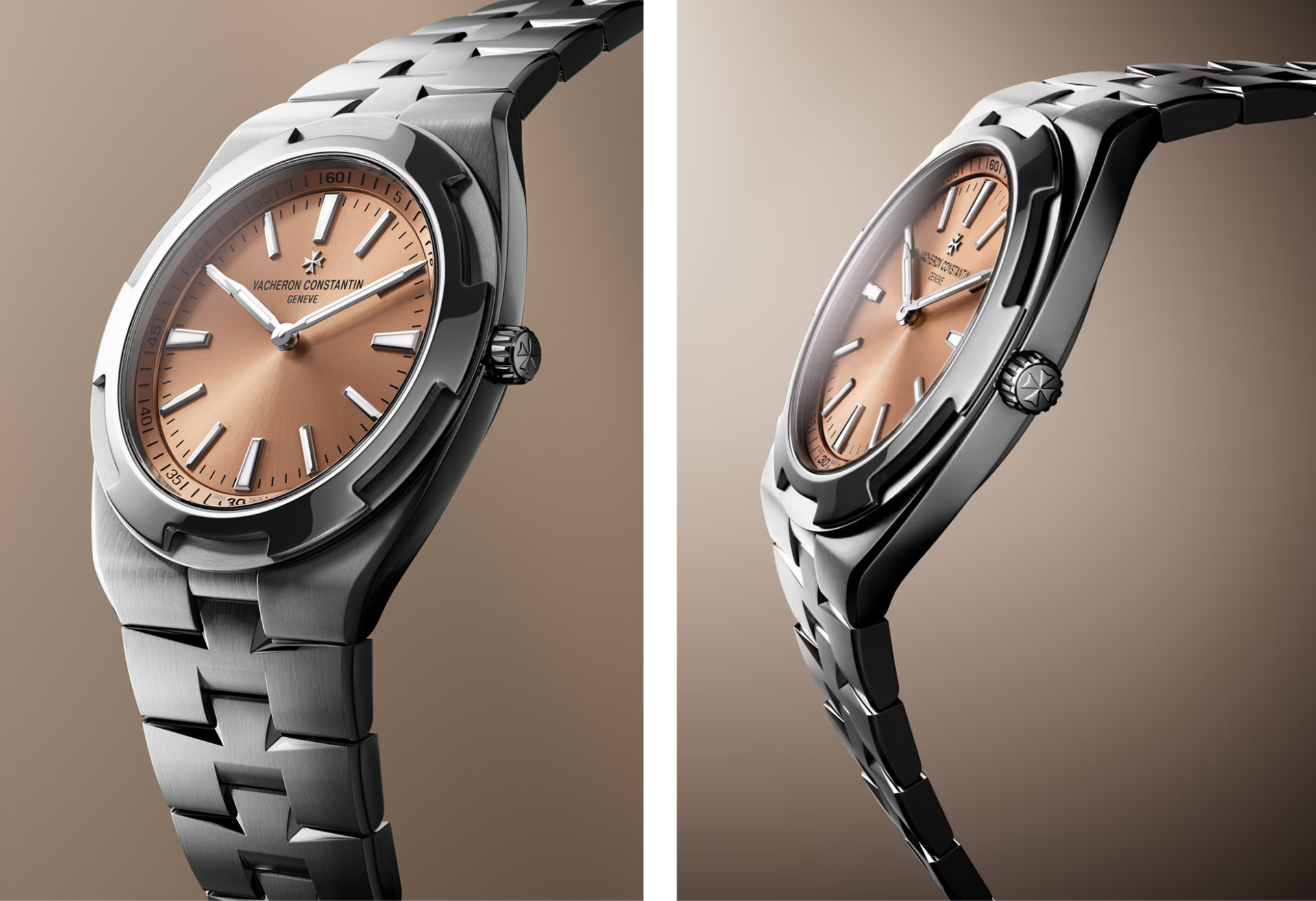
The brand also delivered a new automaton, the 5249R-001 ”The Fox and the Crow”, based on a 1958 museum pocket watch. The rabbit hole here is not subtle: the fox shows the hour, the crow drops the cheese for the minutes, and the whole thing is Patek reminding everyone that mechanical theater still sells. Cartier, Rolex, and Vacheron Constantin all showed revival stories too, which suggests heritage is still the safest shortcut to hype.
Rolex brings back the Yacht-Master II
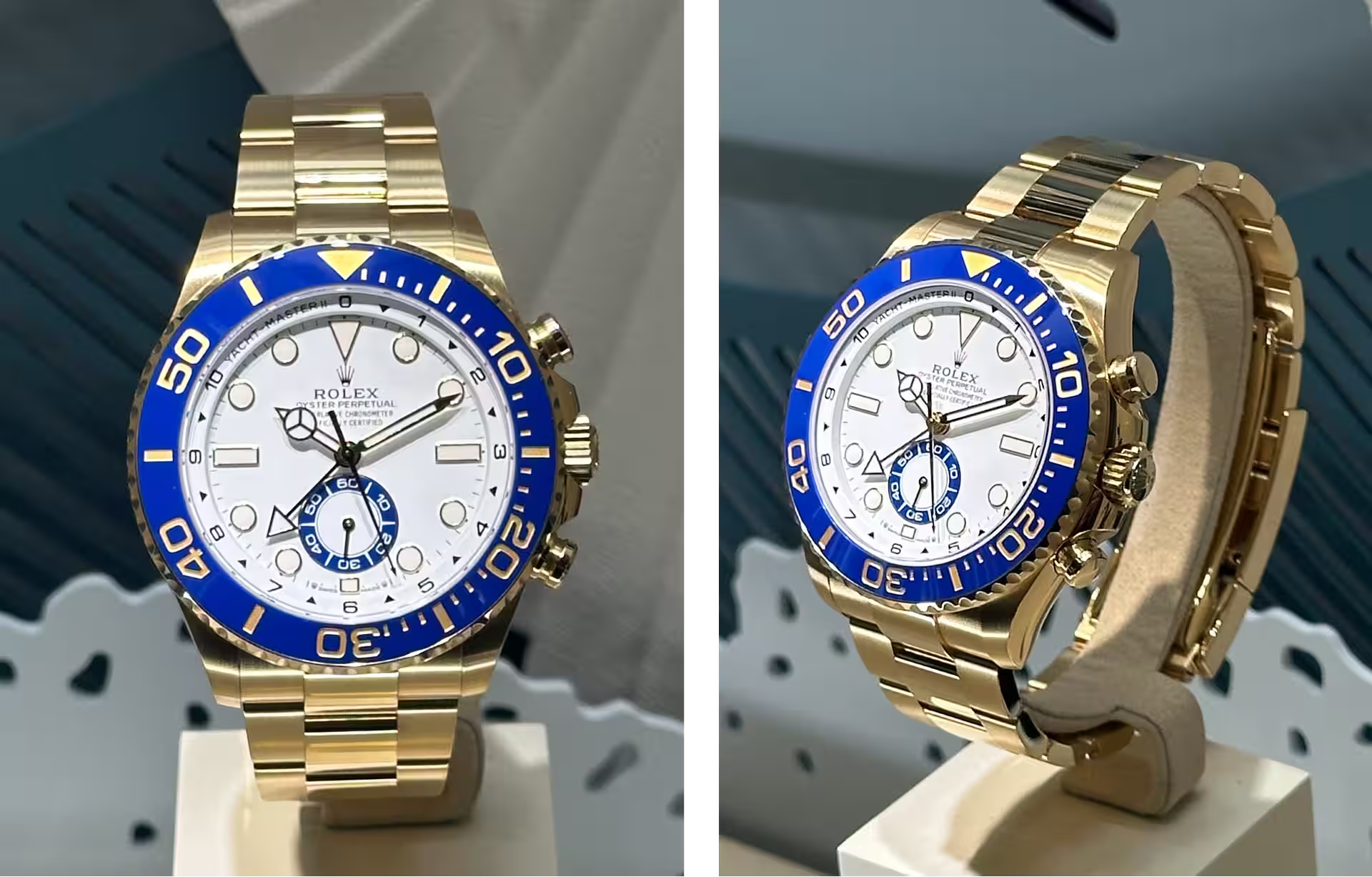
Rolex’s surprise return is the Yacht-Master II Ref. 126688, back in the catalog after 2 years away. The countdown bezel now shares space with a diver-style scale, and the countdown system itself has been revised, with programming handled by the upper side button and the start function by the lower one. Two versions are available, but the yellow-gold model is the one that grabs the eye first.
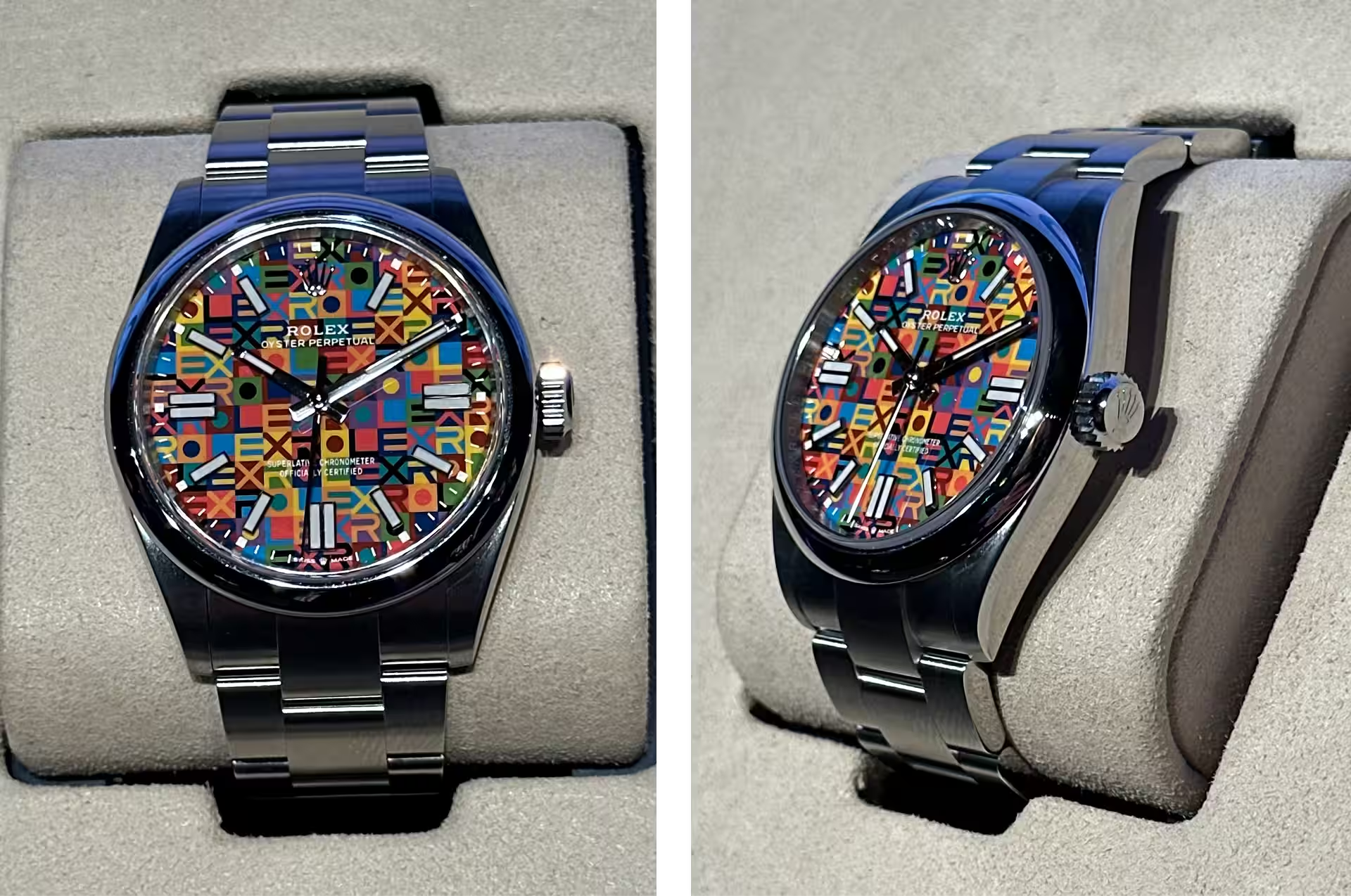
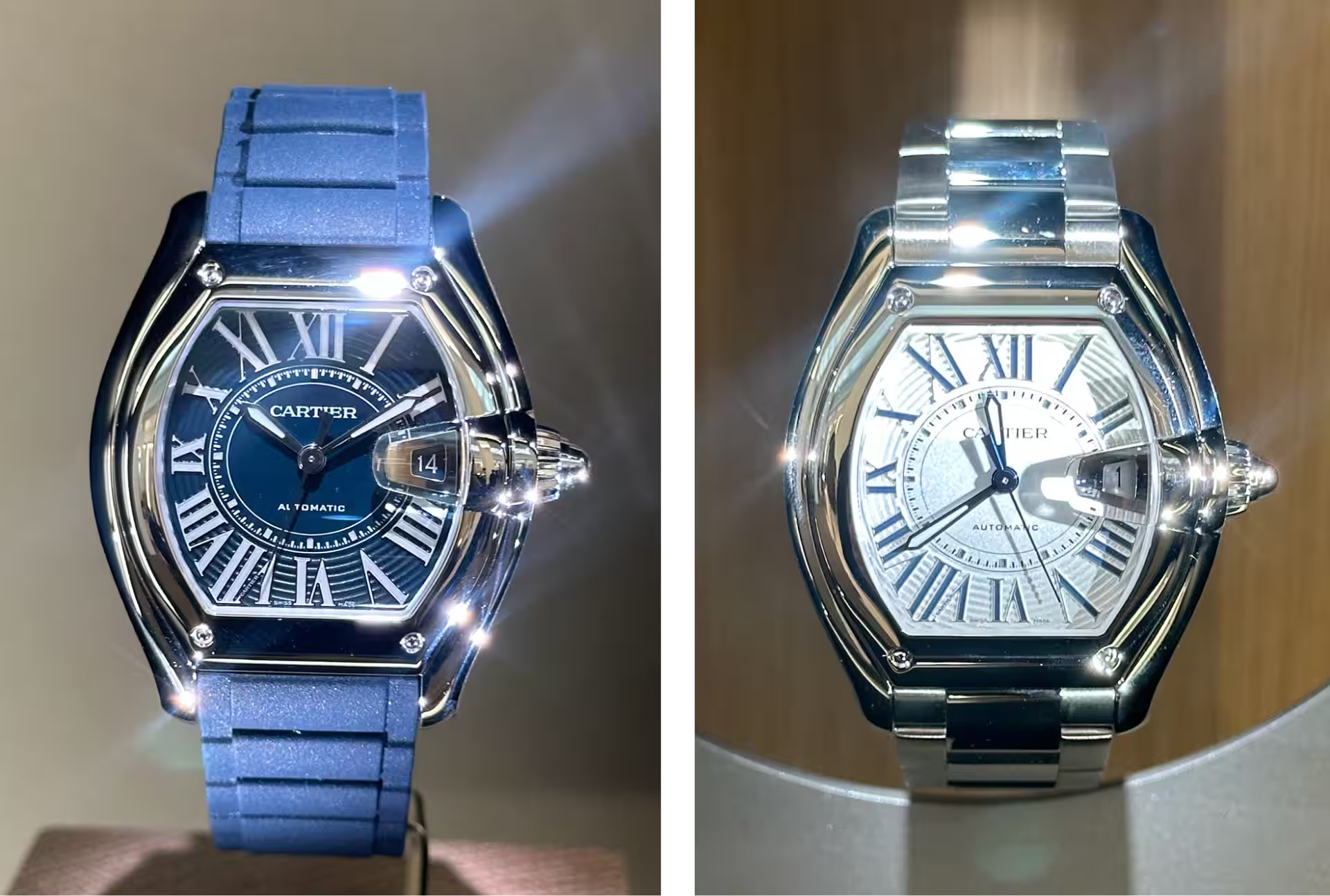
Rolex also mined its archives for the Oyster Perpetual Jubilee Dial, a pop-art style design offered in 41, 36, and 31 mm. It is a neat reminder that the brand still knows how to make familiar references feel fresh without pretending it invented fun yesterday. TAG Heuer did something similar with the Monaco Chronograph, while Cartier revived the Roadster, both leaning on recognizable shapes rather than chasing novelty for novelty’s sake.
The weird, thin and luminous end of luxury watchmaking
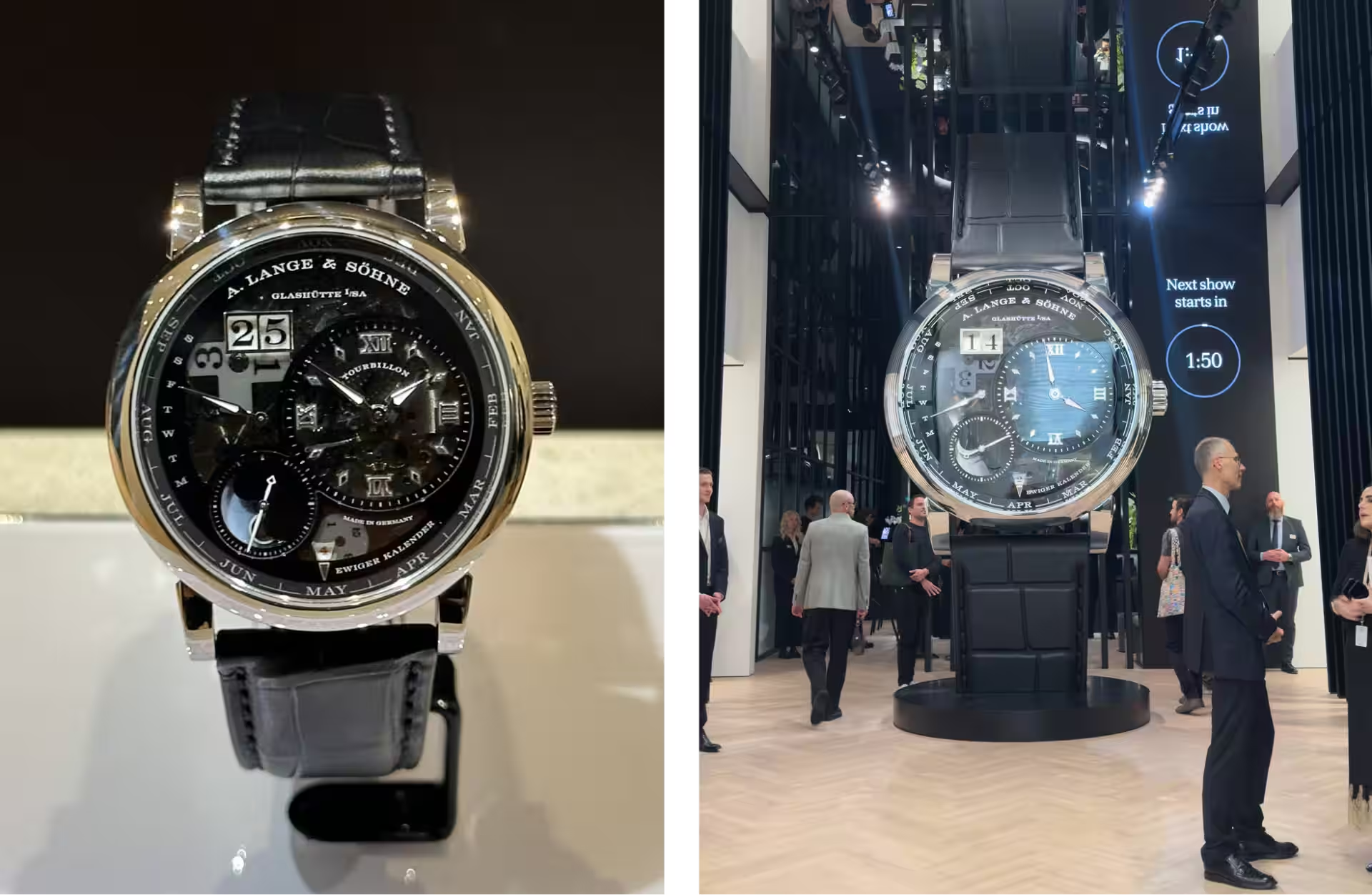
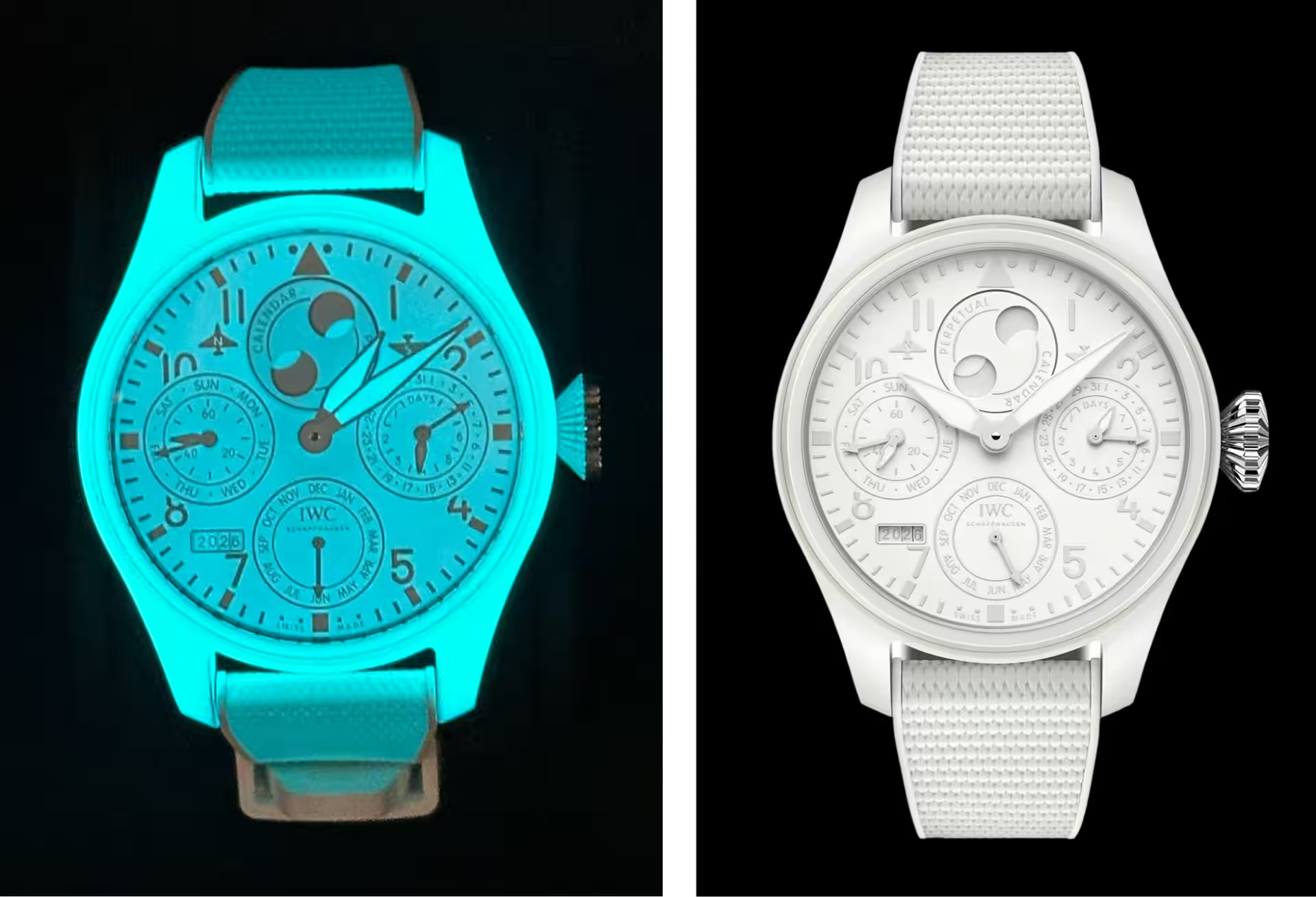
If the fair had an unofficial theme, it was ”make it thinner, brighter or stranger.” Bvlgari showed the Octo Finissimo Ultra Tourbillon Platinum at just 1.85 mm, while A. Lange & Söhne used a semi-transparent dial and luminous elements to turn the Lange 1 Tourbillon Perpetual Calendar ”Lumen” into a dark-room trick. IWC went even further with the Big Pilot’s Watch Perpetual Calendar Ceralume, where the case, dial, strap, and rotor all glow.
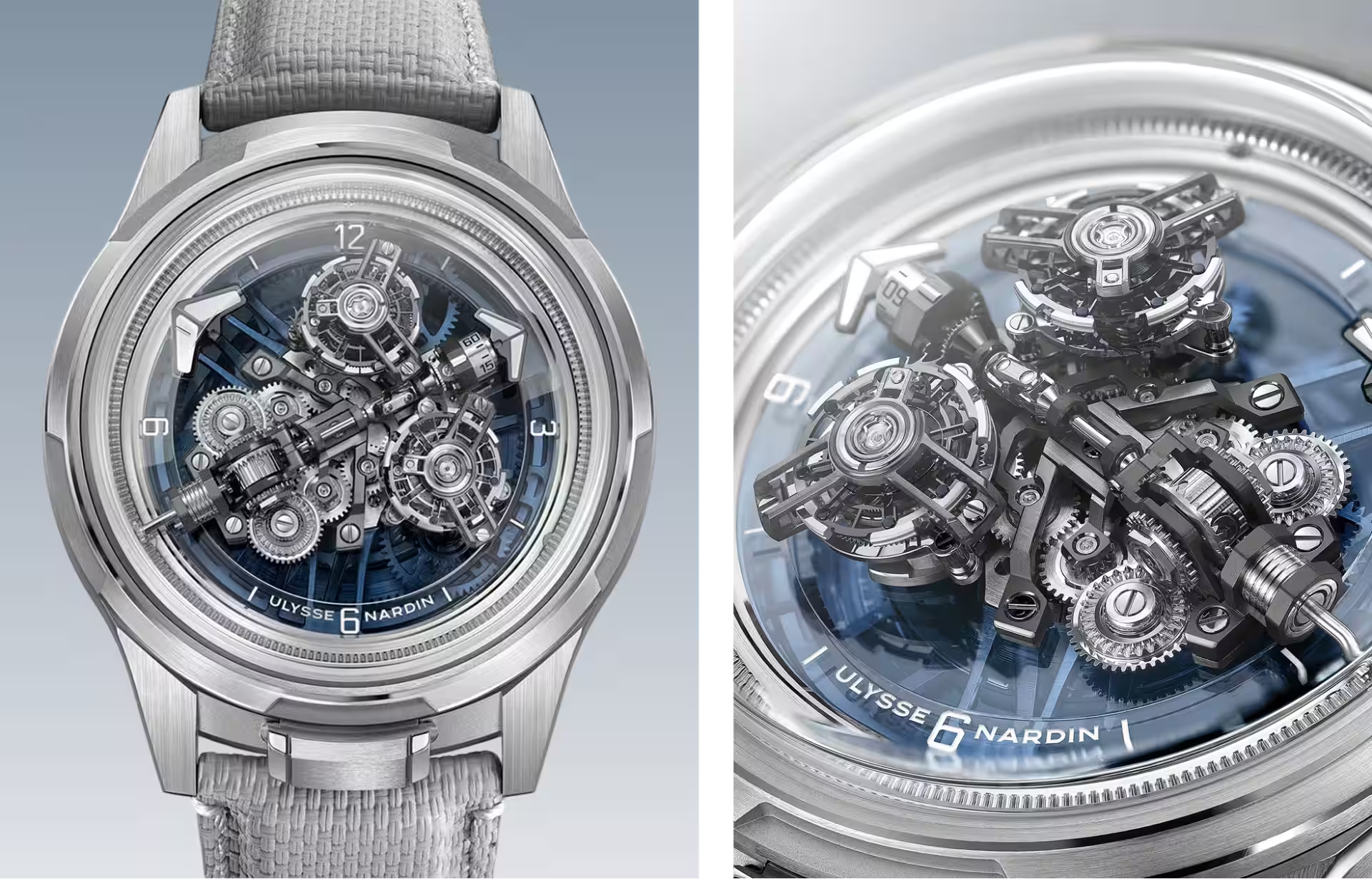
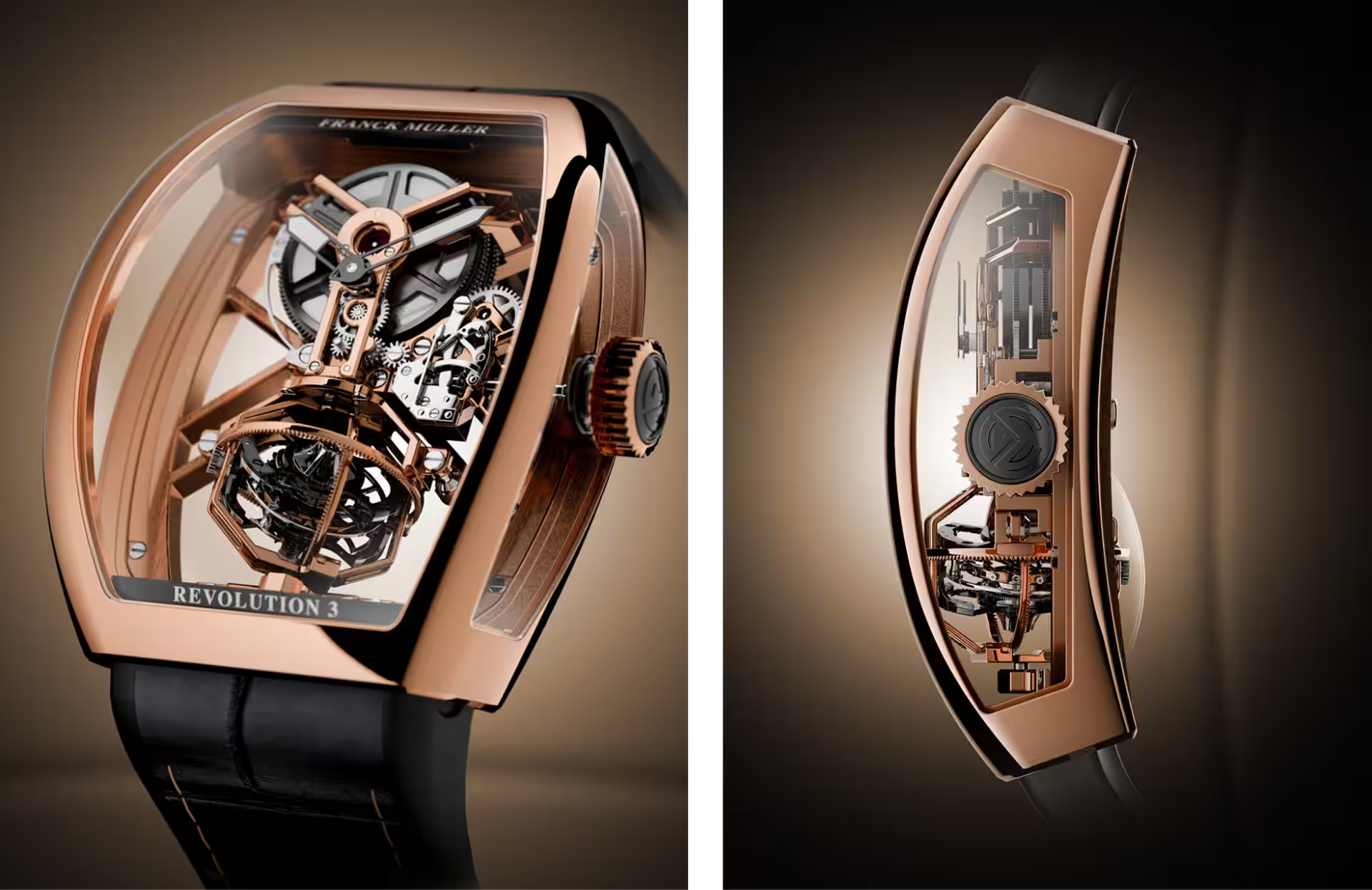
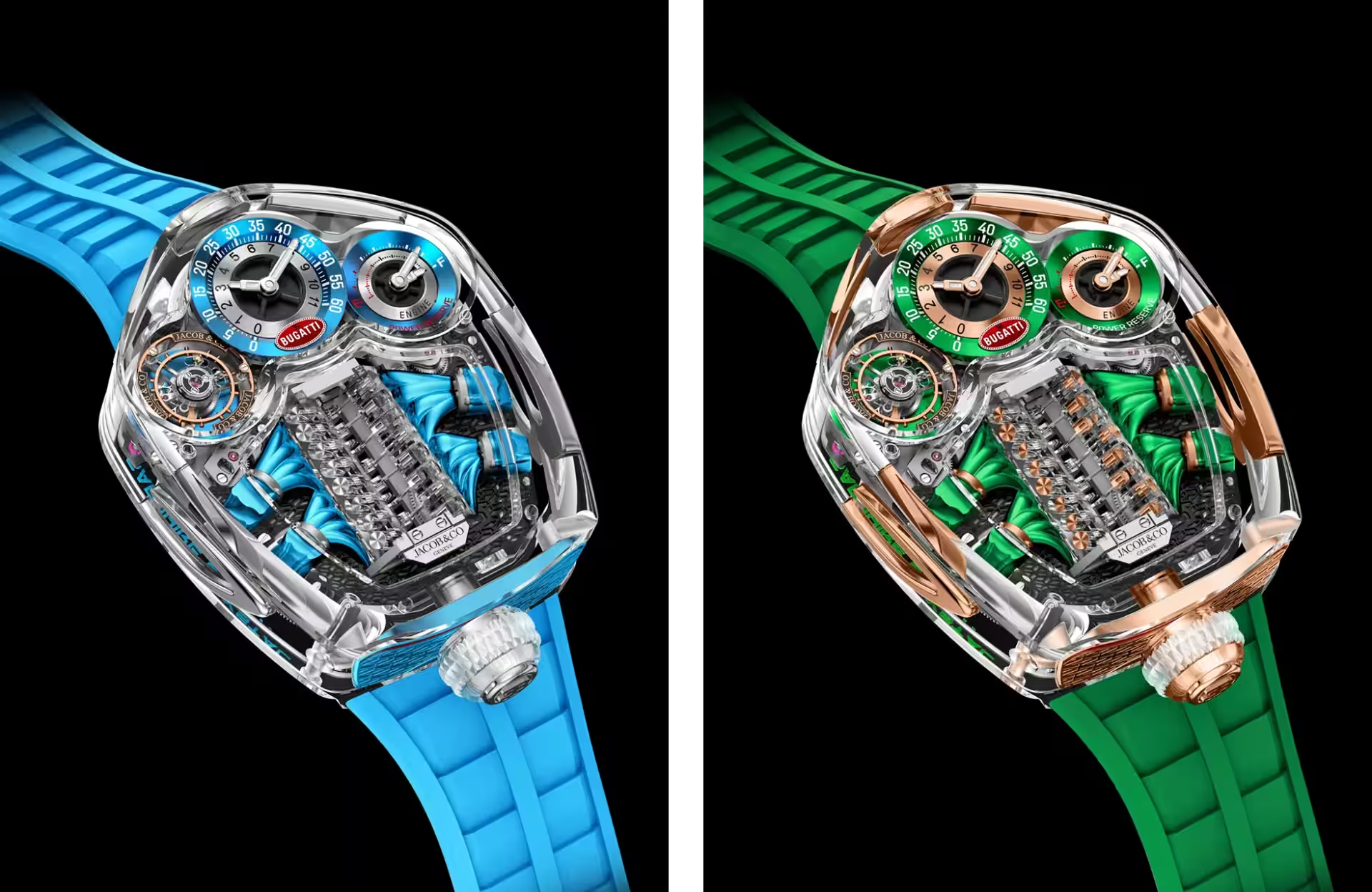
Then there were the pure mechanical show-offs: Ulysse Nardin’s Super Freak with two inclined flying tourbillons, Franck Muller’s transparent three-axis tourbillon, and Jacob & Co.’s Bugatti Tourbillon Sapphire Crystal, which looks like a V16 engine escaped from a supercar and became a watch. The open question now is whether the industry can keep making these stunts feel special, or whether collectors will eventually demand less fireworks and more everyday wearability.