

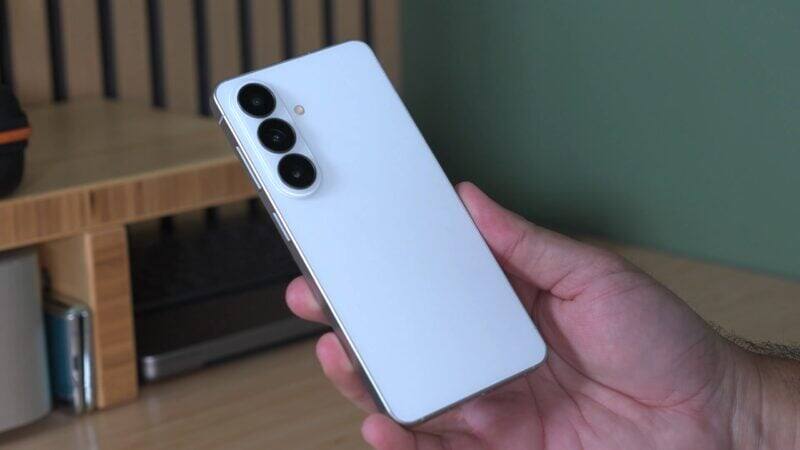
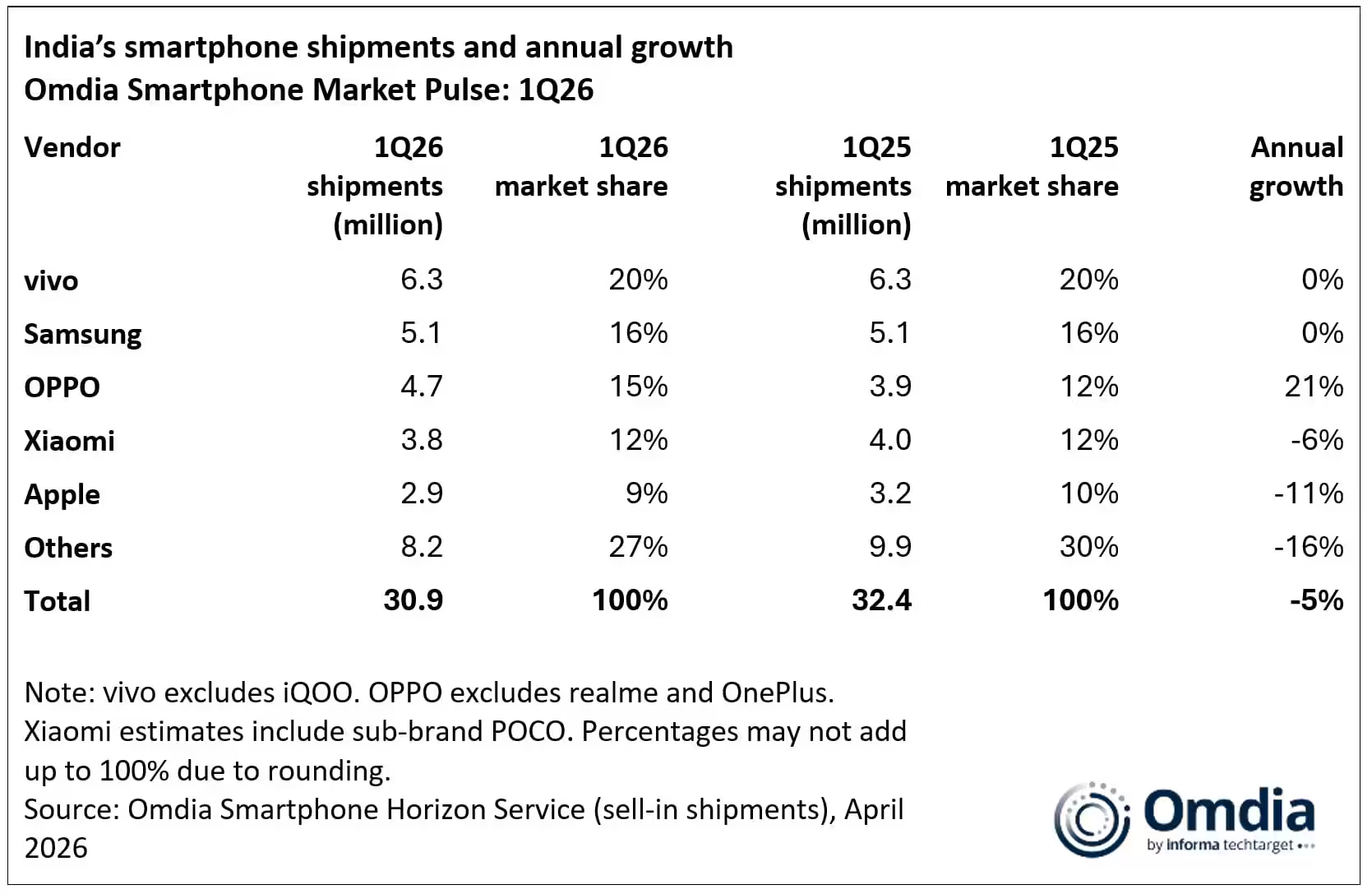
Samsung had a decent quarter in India, just not a winning one. Omdia says Vivo held on to the top spot in India’s smartphone market in Q1 2026, while Samsung stayed in second place with 5.1 million shipments and a 16% share, even as the overall smartphone market in India slipped by 5%. That is the awkward part for Samsung: it held steady, but so did its ceiling.
Vivo shipped 6.3 million phones in the quarter, enough for a 20% share and a clear lead. Samsung’s total was unchanged from Q1 2025, which sounds stable until you remember that India is now one of the few major smartphone markets where volume still matters this much. Xiaomi has already held the crown before; Samsung still has not found a clean way to take it back.
Samsung’s shipment mix did the heavy lifting
Omdia says Samsung’s quarter was powered by the Galaxy S26 series, refreshed mid-range A-series models, and strong demand for the Galaxy A07 and Galaxy A17. That mix makes sense: premium phones win headlines, but mid-range devices do the boring work of keeping a brand near the top of the leaderboard.
The research firm also says Samsung used phased adjustments to protect demand and help channel absorption. Translation: avoid flooding the market and blowing up pricing or inventory. It is a sensible tactic, and in a market that shrank, sensible often beats flashy.
Vivo keeps the lead as rivals fight for scraps
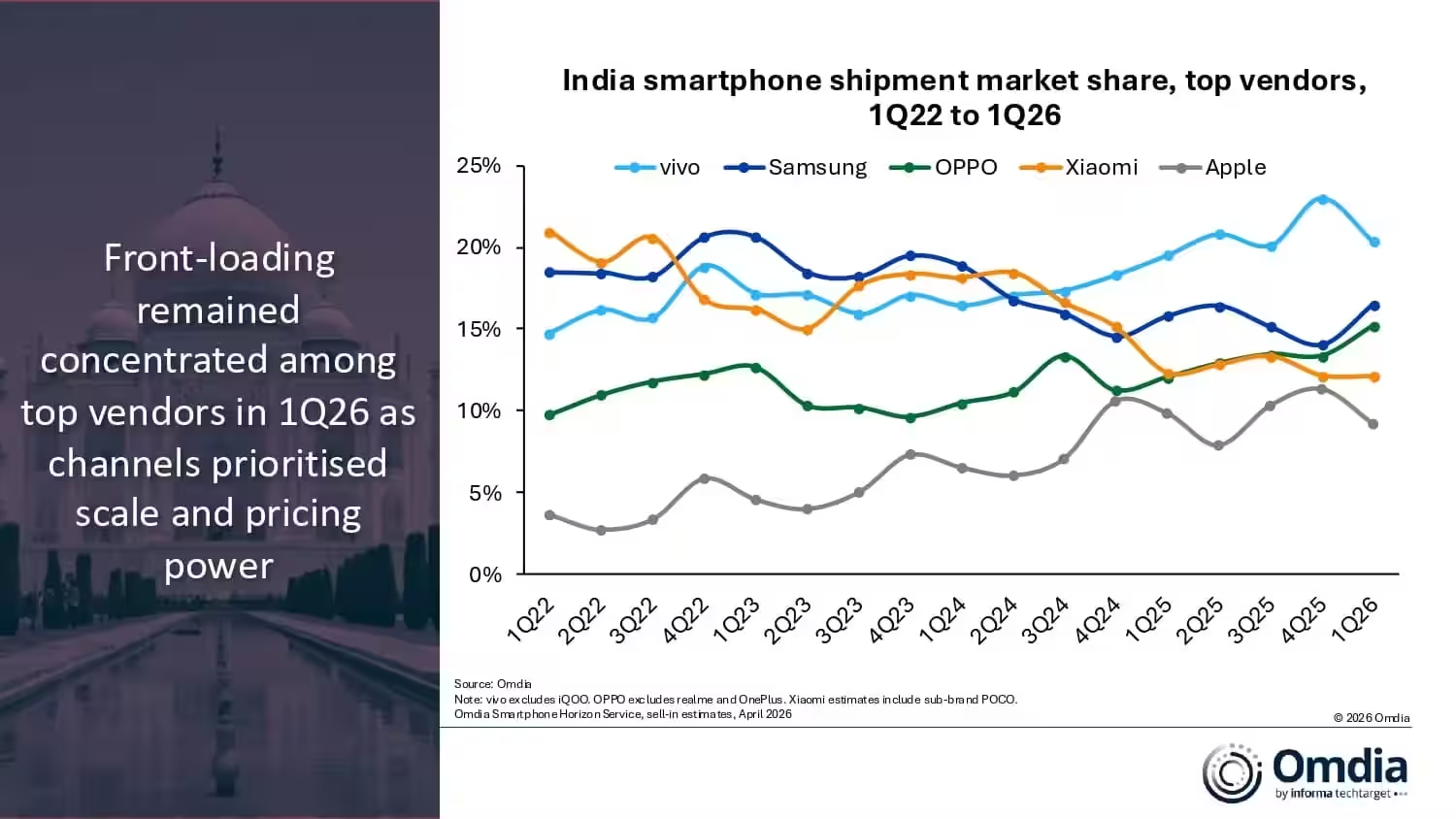
India’s top spot has been something of a relay race. Samsung lost it to Xiaomi in Q1 2024, Xiaomi later passed the baton to Vivo, and the latest numbers suggest Vivo is still comfortable enough to defend it. The bigger story is that the battlefield is crowded, but the margin for error is thin; one weak quarter and the ranking changes fast.
That pressure is not unique to Samsung. Chinese brands have been aggressive in India for years, leaning on high-volume launches and fast-moving price bands, while Samsung has had to balance brand strength with mass-market reach. The company’s challenge is simple to state and hard to execute: sell enough affordable phones without making the premium side of the business look like a vanity project.
A tougher year may be coming for Samsung Mobile
There is also a less cheerful backdrop. A separate report from Korea recently claimed Samsung’s mobile division could post its first-ever annual deficit this year. If that happens, India’s second-place result will look less like a temporary stumble and more like another sign that Samsung’s mobile business is being squeezed from both ends: premium competition above, price pressure below.
The next quarter should show whether Samsung’s steady 5.1 million shipment base was a floor or a plateau. If Vivo keeps moving the market while Samsung simply holds position, the crown stays out of reach. If Samsung can turn the Galaxy S26 and its lower-cost A-series momentum into real volume growth, the rivalry gets interesting again.