

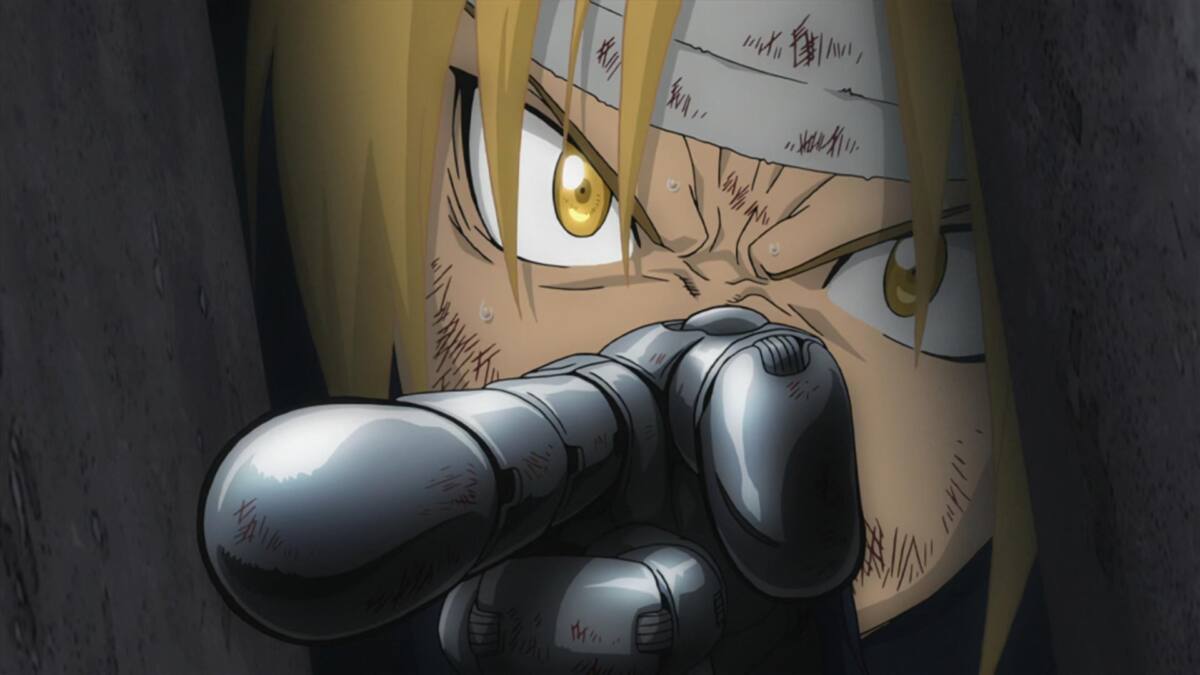
Anime has never been busier, but busyness is not the same thing as supremacy. Two decades after it arrived, ”Fullmetal Alchemist” still feels like the series other anime are measured against: equal parts tragic, funny, political, and brutally human, with a moral seriousness most shonen never even attempt.
That longevity is the real story here. Plenty of beloved anime have iconic scenes, unforgettable openings, or a single towering theme. ”Fullmetal Alchemist” does the annoying all-around-great thing instead, which is why it keeps surviving every new wave of hype. It is not just nostalgia doing the heavy lifting; the show’s structure, pacing, and refusal to flatten its cast into heroes or villains still look unusually sharp.
Edward and Alphonse Elric still carry the hook
The core premise is simple and nasty in the best way. Edward and Alphonse Elric try alchemy to bring their mother back, pay for it with their bodies, and spend the rest of the story chasing the Philosopher’s Stone in hopes of undoing the damage. That setup gives the series a clear emotional engine, but it also gives it something more useful: a built-in argument about the price of ambition.
By framing the brothers’ quest around loss rather than power fantasy, the series dodges one of anime’s oldest traps. The goal is not to become more godlike; it is to accept that some shortcuts leave scars. That’s a cleaner piece of storytelling than most modern series manage after 50 episodes of shouting and explosions.
Brotherhood made moral compromise the point
The version most viewers end up recommending, ”Fullmetal Alchemist: Brotherhood,” is the more manga-accurate take, and it earns that reputation because it never treats its politics like wallpaper. State power, war crimes, vengeance, guilt, and redemption are not side quests. They are the engine of the whole thing, and the show is smart enough to let contradictions sit there without sanding them down for comfort.
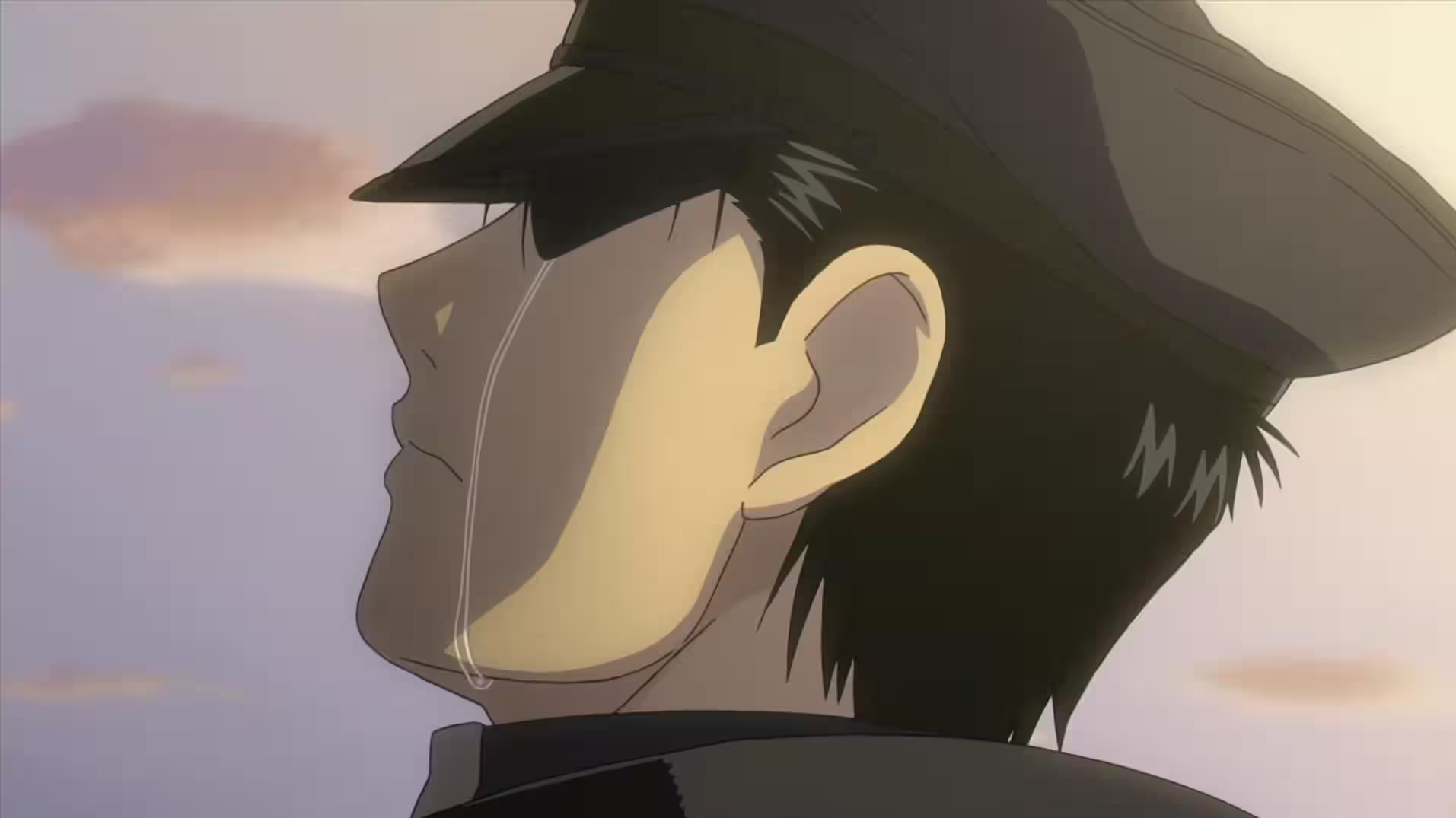
That includes characters who would be easy to file as righteous or irredeemable in lesser hands. Roy Mustang and Riza Hawkeye are not simply competent military figures; they are people carrying the consequences of genocide and trying to function anyway. The series understands something a lot of prestige TV still struggles with: accountability is more interesting than absolution.
Why the humor and the women matter so much
For a series with body horror, war trauma, and enough existential dread to power a small nation, ”Fullmetal Alchemist” is also consistently funny. It swings from bleak to goofy without the tonal whiplash that sinks so many ambitious shows, and it uses that softness to make the hard parts land harder. The world feels lived in, not merely diagrammed.
It also helps that Arakawa wrote one of anime’s best female ensembles. These characters are capable, layered, sharp-edged, and allowed to be funny without turning into comic relief. That still feels ahead of the curve, especially in a medium that often treats ”strong female character” as a job title rather than a personality.
The anime it helped define
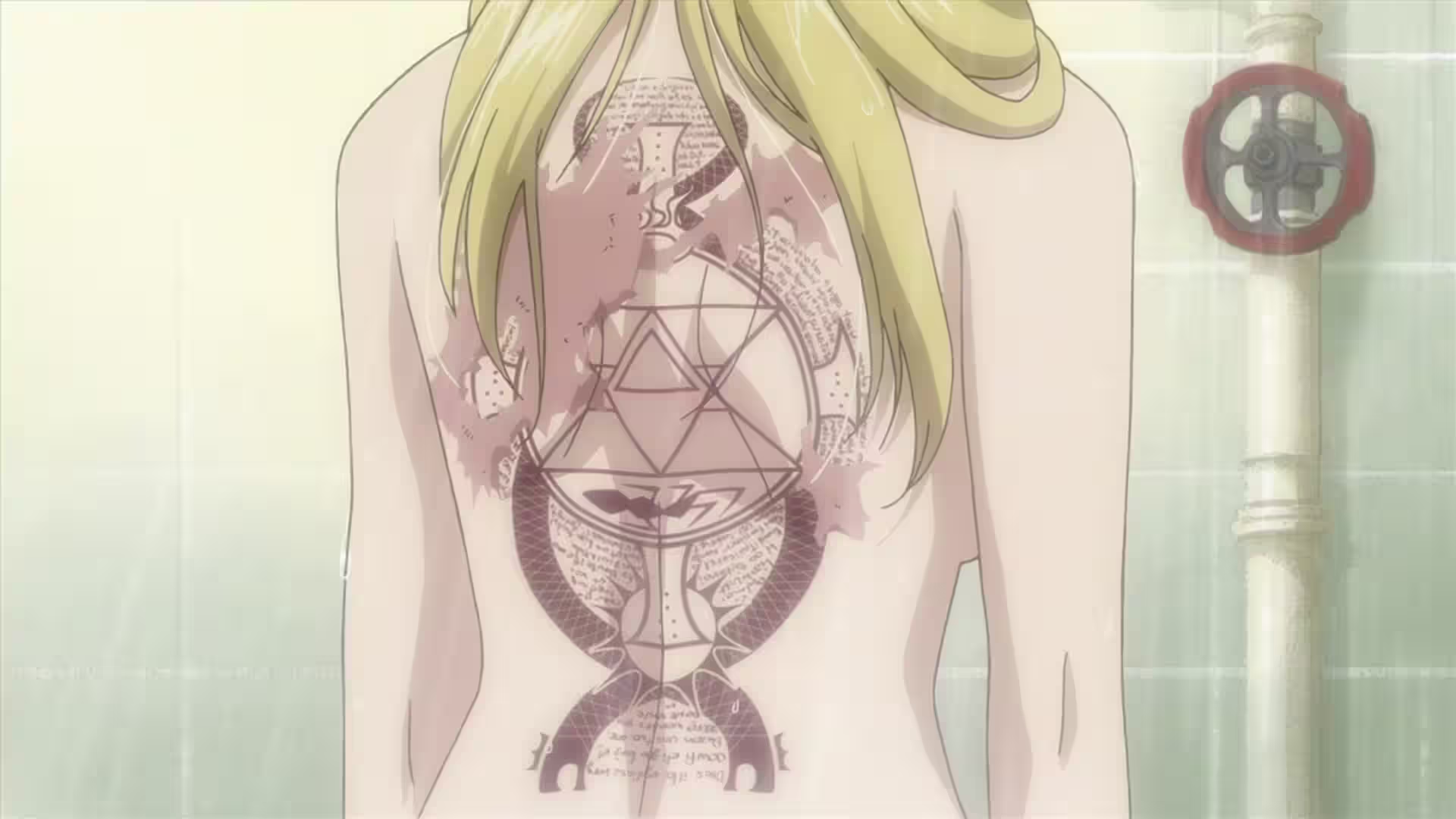
The show’s fingerprints are everywhere now, which is usually how you know a work has escaped fandom and become infrastructure. You can spot echoes of its sincerity in ”Witch Hat Atelier,” its blend of beauty and rot in ”Delicious in Dungeon,” its suspicion of charismatic power in ”Attack on Titan,” and its tenderness toward ordinary life in ”Frieren: Beyond Journey’s End.” Even ”Vinland Saga” owes some of its emotional discipline to the same school of hard-won introspection.
That influence is also why ”Daemons of the Shadow Realm” feels interesting before it even fully proves itself. When a creator can revisit old strengths and still look fresh, the conversation stops being about legacy and starts being about whether anyone else can catch up. So far, the answer still looks pretty grim for the competition.
If you want to revisit it, ”Fullmetal Alchemist” is streaming on Crunchyroll, Netflix, and Hulu. The more interesting question is whether any future anime will stop being compared to it, or whether Arakawa’s series has already become the medium’s permanent measuring stick.