

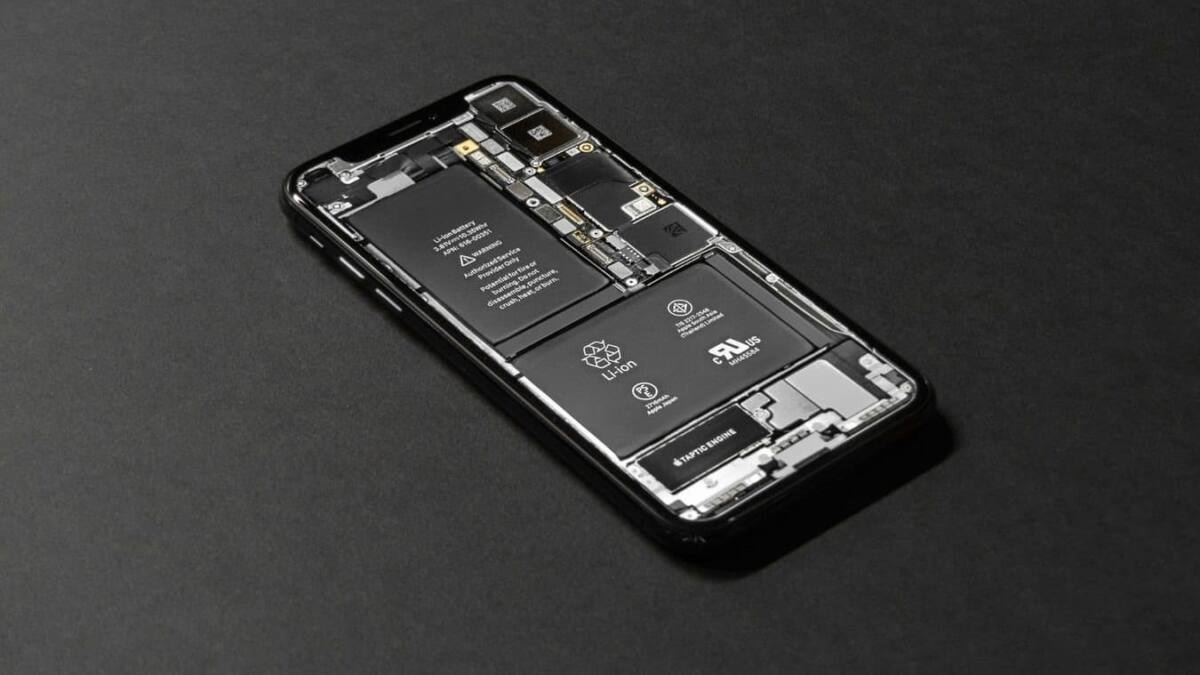
3D-printed batteries could reshape device design by letting manufacturers build energy storage to fit the empty spaces inside products, from smart glasses to drones. Instead of forcing devices around rigid battery blocks, designers can shape cells around the product.
That shift sounds obvious only after someone does the hard work. If batteries can be made in odd geometries, manufacturers can tuck cells into places that were previously dead volume, which helps with weight distribution and tighter component layouts. The first adopters are likely to be defense and aerospace buyers, where fitting more energy into a weirdly shaped product can matter more than saving a few cents per cell.
How 3D-printed batteries change the format
The basic pitch is simple: print the battery in a form that matches the device instead of the other way around. That opens the door to batteries built into eyeglass arms or used as part of a drone’s structure, rather than as separate boxes bolted on afterward. The technology is not tied to one chemistry either, and can in principle be applied to lithium-ion, sodium-ion, solid-state, and future battery types.
- Use unused internal space inside devices
- Reduce reliance on bulky battery packs
- Support unusual shapes for wearables and drones
- Potentially improve energy density at the device level
A crowded research field, a thin commercial one
Research is moving fast. An industry review cited about 25,000 scientific papers in 2025 tied to 3D-printed batteries and their components, which is a lot of academic enthusiasm for a technology that still has very few real products on shelves. That gap is familiar: batteries often attract headlines years before factories catch up.
One of the more advanced startups is Material Hybrid Manufacturing in Miami, founded by Formula 1 engineer Gabe Elias and battery researcher Christopher Reyes. According to The Wall Street Journal, it has raised $7.1 million and won a $1.25 million contract with the U.S. Air Force, and it is also working on prototypes for the Teledyne FLIR SkyRaider drone. The company says its approach could lift energy density by as much as 35% compared with traditional battery packs of the same size.
That kind of claim is exactly where the real race begins. Sakuu is taking a different route, focusing less on printing the entire battery and more on streamlining electrode production by removing drying steps and solvents, which could cut manufacturing cost and energy use. It is the sort of unflashy factory optimization that usually matters more than a good demo video.
Where the first products are likely to appear
Military and aerospace programs are the obvious early customers because they will pay for custom engineering and tolerate complexity that consumer brands usually avoid. Experimental ideas are already drifting even further, from batteries made with simulated lunar regolith for future moon bases to structural batteries that double as part of a vehicle frame.
If the economics ever get friendly enough, the next stop could be wearables, electric vehicles, and then mainstream consumer electronics. The question is not whether 3D printing can make batteries weirder. It is whether that weirdness can be manufactured at scale without turning every pack into a boutique science project.