

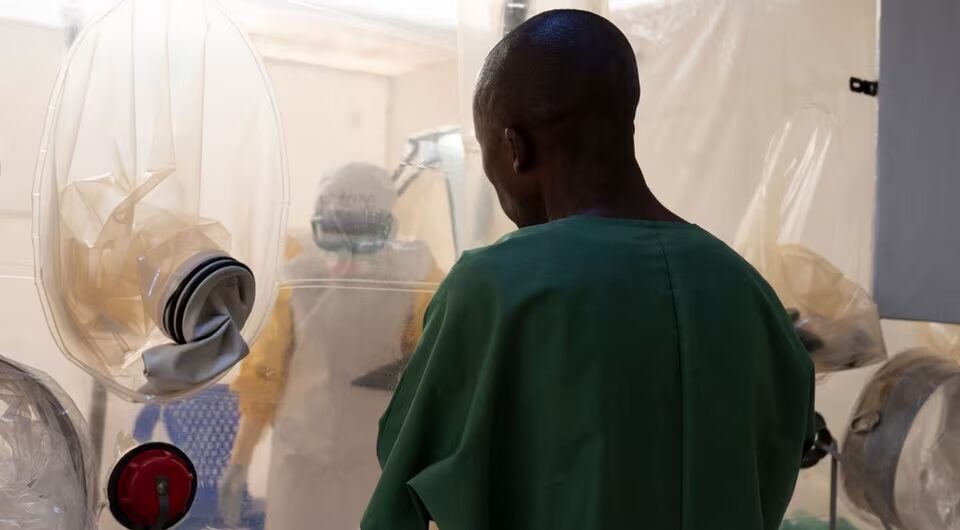
The Democratic Republic of Congo has launched clinical trials for two experimental treatments targeting Bundibugyo Ebola, a rare strain responsible for 1,460 confirmed cases and 452 deaths in the current outbreak. The PARTNERS study will test an antibody cocktail called MBP134, the antiviral remdesivir, and their combination – a critical move given there are currently no approved therapies or vaccines for this Ebola variant.
The World Health Organization (WHO) has already included both MBP134 and remdesivir in its guidance for experimental treatment and prevention during this outbreak. MBP134 comprises two monoclonal antibodies engineered to act broadly against multiple ebolavirus species, aiming for a panebolavirus application. Remdesivir, a nucleoside analog well known for treating various viral infections, has had limited and mixed results against Ebola but remains a candidate given the lack of alternatives.
This clinical response comes amid a fast-spreading epidemic. Beyond Congo’s 1,460 cases, Uganda has reported 20 cases with two fatalities, and France documented a single imported instance. The WHO declared the outbreak a Public Health Emergency of International Concern on May 17, 2026, urging authorities to act before infections surged further.
Trials of MBP134 and remdesivir for Bundibugyo Ebola treatment
Most high-profile Ebola outbreaks and treatments have targeted Zaire ebolavirus, the strain covered by approved vaccines and antibody therapies used in recent African epidemics. In contrast, Bundibugyo ebolavirus is much rarer and less studied, leaving health systems without a proven toolkit for dealing with it.
Discovered only in 2007 amid an outbreak in Uganda, Bundibugyo Ebola has caused relatively few major episodes. This scarcity has deterred pharmaceutical companies from developing treatments specifically for this variant with full approval. Developing drugs for rare infections is notoriously expensive and commercially risky, especially when outbreaks occur unpredictably and affect limited patient populations.
MBP134’s design as a panebolavirus antibody cocktail makes it a logical candidate against Bundibugyo Ebola’s rarity. Preclinical studies have shown promise in blocking different ebolavirus strains, and this trial aims to confirm whether that lab flexibility translates to effective clinical therapy during an actual outbreak.
Remdesivir’s track record against the more common Zaire strain has been mixed at best; it generally underperformed compared to antibody treatments in previous trials. However, with no approved options for Bundibugyo, remdesivir still holds value, especially when tested alongside antibodies to see if combination therapy improves outcomes.
The outbreak’s geographic spread complicates efforts. Crossing national borders means that containment relies not only on treatment but also on swift isolation, rigorous contact tracing, and reliable drug delivery to frontline hospitals. Experts estimate controlling this epidemic could take at least a year. The results of the PARTNERS trial will be a key benchmark: will Bundibugyo Ebola remain a rare but manageable threat, or escalate into a new global health crisis?
For context, Bundibugyo Ebola’s limited prevalence contrasts sharply with the more notorious Zaire strain that drove the catastrophic West Africa epidemic of 2014-2016. While companies like Regeneron and Merck have developed Zaire-specific antibody therapies and vaccines, the Bundibugyo variant lacks dedicated pharmacological tools. The current trial reflects both the challenges of addressing neglected pathogens and the growing push to develop broadly effective antivirals that can cover emerging viral threats before they explode in scale.
Watch closely how MBP134 and remdesivir perform in real-world conditions. Success could validate a shift toward pan-ebolavirus therapies, reducing future outbreak risks from less common strains. Failure or inconclusive outcomes would underscore persistent gaps in global readiness against rare but deadly viruses, raising pressing questions about investment priorities in infectious disease research.