

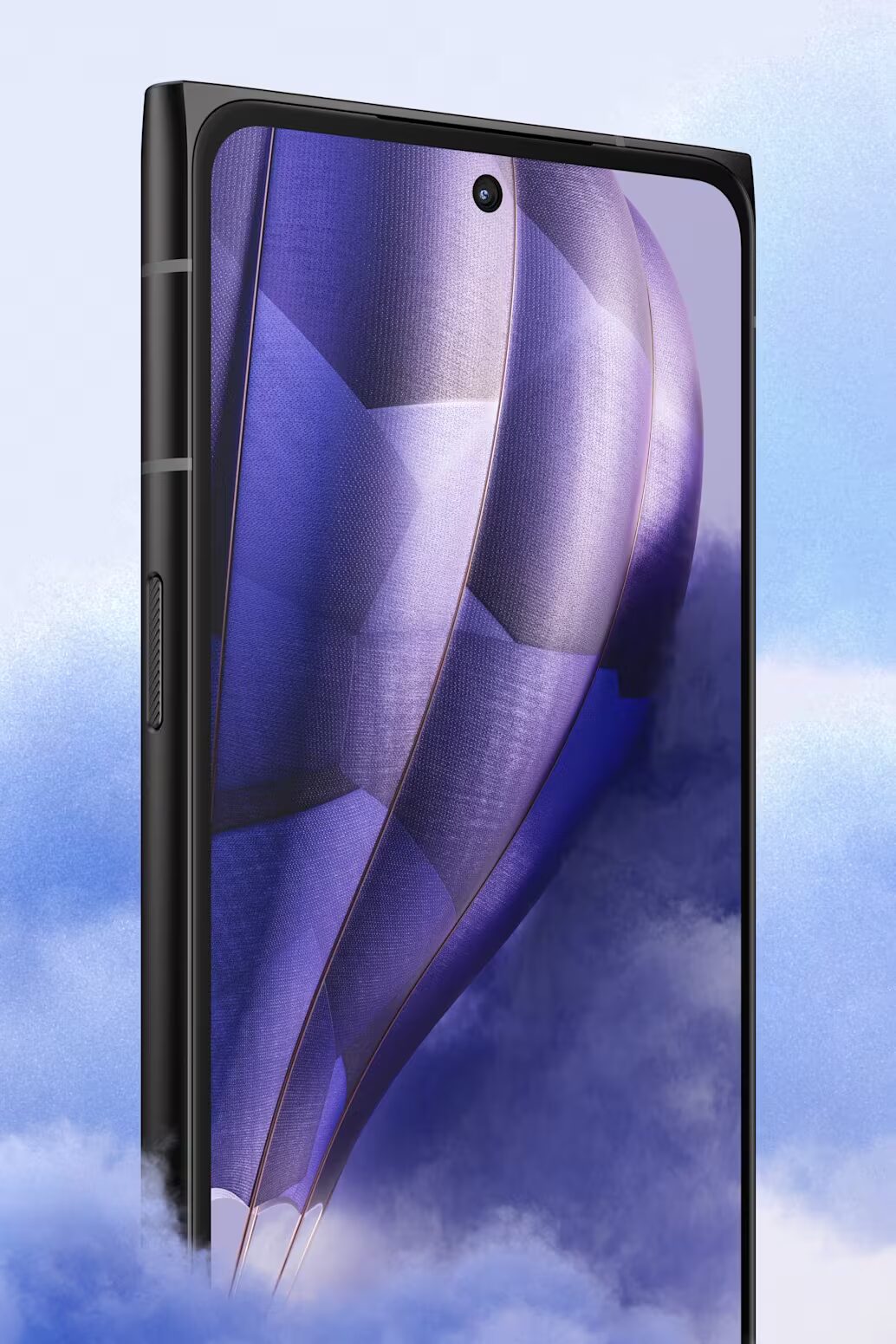
HMD Global isn’t giving up on the Skyline 2 after all, despite earlier rumors that the model was canceled. According to insider smashx_60, the company scrapped only the higher-end Skyline GT variant, while the base Skyline 2 is still in the works. The upcoming phone will feature Qualcomm’s new Snapdragon 7s Gen 4 chipset, a 108-megapixel main camera, and a familiar design-ditching the Lumia 1020-style round camera bump for a more conventional look.

Leaks suggest Skyline 2 will stick close to the design of its predecessor, marking a notable shift from earlier rumors that promised a bolder Lumia 1020-inspired aesthetic. Rather than reinventing the look, HMD seems to be focusing on beefing up the hardware inside a tried-and-true chassis, avoiding costly redesign efforts.
The headline upgrade is the switch to the Snapdragon 7s Gen 4 chip, replacing last year’s 7s Gen 3. This puts the Skyline 2 squarely in the solid midrange category, where it will compete with devices like Motorola, Nothing, Samsung’s Galaxy A-series, and Xiaomi’s Redmi Note Pro lineup. However, competitors in this bracket often offer tougher body protection, better displays, and equally strong or superior camera setups.
HMD Skyline 2 key specifications
- 6.55-inch OLED display, Full HD+, 144Hz refresh rate
- Peak brightness up to 1200 nits
- Qualcomm Snapdragon 7s Gen 4 processor
- 50MP front camera
- Triple rear cameras: 108MP + 50MP + 50MP
- 5000mAh battery
- 40W wired charging, 15W Qi2 wireless charging
- IP54 dust and splash resistance, and stereo speakers
One standout feature is the Qi2 wireless charging support. While wireless charging remains rare in mid-tier Android phones-usually reserved for flagship or near-flagship models-HMD is making a point to deliver practical everyday features rather than just padding spec sheets.
HMD also appears to be sticking with its commitment to easier self-repairability. The original Skyline launched as part of HMD’s effort to make devices more repair-friendly, which helped the brand carve out a niche in a crowded midrange market. In a category where many phones look alike, such details can resonate more with users than just another megapixel count.
That said, there’s a weak spot in these specs: IP54 is a modest level of protection against dust and splashes, while competitors at this price often offer IP67, meaning better water and dust resistance. Much will come down to pricing. If HMD can keep the Skyline 2 close to the original’s launch price around €500, the combination of a 108MP camera, Qi2 wireless charging, and repair-friendly design could help it stand out. But if it creeps higher, even that hefty camera sensor might not be enough to justify the premium.
HMD’s moves with Skyline 2 highlight a challenge many midrange Android brands face: balancing new features with cost and design familiarity. As Qualcomm’s Snapdragon 7s Gen 4 powers more mid-tier models, the competition will only intensify. Watch to see whether HMD leans further into usability and repairability or pivots toward flashier specs to attract buyers in a crowded field.