• 3 min read
Zack Snyder’s rejected Aquaman film would have gone deeper
Zack Snyder has revealed another corner of his unrealized DC plan: a version of Aquaman he and Jason Momoa had mapped out, only for Warner Bros. to turn it down. The pitch would have dug into Arthur Curry’s origin story,
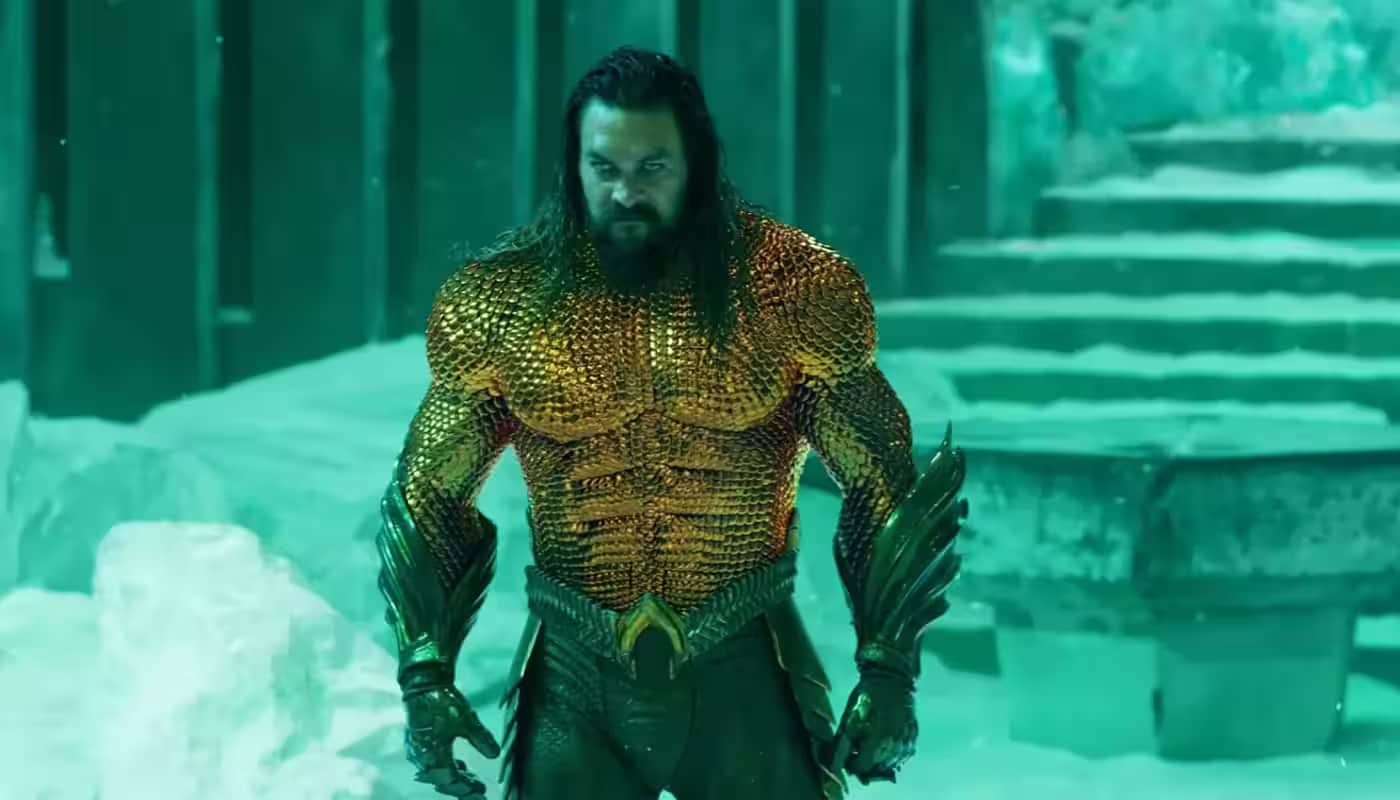
Image: kinonews.ru
Zack Snyder has revealed another corner of his unrealized DC plan: a version of Aquaman he and Jason Momoa had mapped out, only for Warner Bros. to turn it down. The pitch would have dug into Arthur Curry’s origin story, including the backstory behind his tattoos, and it would have put Black Manta at the center as the main villain.
That idea fits the broader pattern around Snyder’s DC projects. He has repeatedly favored mythic, backstory-heavy superhero films, while Warner Bros. has often leaned toward cleaner, more broadly commercial takes. That tension is also why James Wan’s Aquaman took a lighter route and ended up with $1.1 billion in global box office and mostly positive reviews.
What Snyder’s Aquaman would have changed
The interesting part is not just that the movie never happened. Snyder says the project was designed to connect to Justice League, where Vulko was already in play, so the solo film would have been less of a standalone splash and more of a chapter in a larger timeline. In other words, no breezy underwater adventure, but another mythological brick in the wall.

Recommended reading
Vertical video now runs the internet
- Arthur Curry’s origin would have been explored in more detail.
- The tattoos would have had an in-story explanation.
- Black Manta would have been the main antagonist.
- The setup was already being seeded in Justice League through Vulko.
Warner Bros. kept pushing Snyder away from his darker lane
This was not a one-off rejection. Warner Bros. had already shot down Snyder’s idea of making Steppenwolf the key villain in Suicide Squad, and it also rejected his proposal to set Wonder Woman during the Crimean War. The studio clearly wanted less historical grandeur and more box-office accessibility, which is a polite way of saying it did not want every superhero movie to feel like an ancient prophecy with branding.
That split matters because it explains the two DC paths that emerged: Snyder’s heavier, prequel-minded approach, and the more crowd-friendly route that ultimately won out. If his solo-film plans had been approved, DC’s slate might have looked far less contemporary and a lot more like a saga assembled from flashbacks.
Why Warner Bros. backed James Wan’s Aquaman
In the end, Warner Bros. backed the version of Aquaman that made the simplest commercial sense: bright, easy to follow, and built for a wide audience. That choice delivered the biggest number in the entire character’s screen history, which is usually the part of the argument that ends conversations inside studio conference rooms.
The open question is whether Snyder’s discarded DC plans will keep surfacing as trivia or become the basis for a wider reassessment of what the studio passed on. For now, they mostly read like a reminder that superhero franchises are as much about corporate taste as they are about capes, tridents, and tattoos with backstories.
Culture Editor
Maya explores gaming, streaming, and the internet as a place where people actually live. From deep-dives into creator economies to the anthropology of digital communities, she tracks platform drama and cultural shifts so you don't have to. She believes the best tech stories are fundamentally about human behavior.
via kinonews.ru